Are your glass containers truly built to handle the heat? The secret to flawless, high-heat performance isn’t just about the brand name—it is about the science behind high-quality oven safe glass jars.
Whether you are a bulk buyer sourcing reliable packaging for your product line or a culinary enthusiast looking to bake safely, understanding glass chemistry is crucial to preventing dangerous kitchen disasters.
In this expert manufacturing guide, we will uncover:
-
The Physics of Failure: Why thermal shock shatters standard jars.
-
Material Matters: The critical differences between Soda-Lime and Borosilicate glass.
-
Safety Warnings: Why the USDA strictly advises against “oven canning.”
-
Pro-Tips for Success: Essential handling techniques to safely bake with glass.
-
Commercial Sourcing: What wholesale buyers must look for in premium, heat-resistant suppliers.
Why Glass Breaks in the Oven
I often get asked why a jar that handles boiling water perfectly might suddenly shatter in a preheated oven. The reality is that glass isn’t a single, uniform substance; it’s a material governed by physics. When you place oven safe glass jars into a high-heat environment, you are testing the structural integrity of the material against rapid molecular movement.
Thermal Shock Explained
Thermal shock is the primary reason glass fails. Because glass is a poor conductor of heat, the exterior surface expands quickly when exposed to high temperatures, while the interior remains cooler and more rigid. This creates internal tension. If the temperature differential ($\Delta T$) is too great, the stress exceeds the glass’s tensile strength, resulting in a fracture.
The Expansion Coefficient
Every glass type has a specific Coefficient of Thermal Expansion (CTE). This value measures how much the glass stretches as it heats up.
- Soda-lime glass: Higher CTE; expands significantly, making it more prone to shattering during sudden shifts.
- Borosilicate glass: Lower CTE; handles temperature fluctuations much better due to the addition of boron trioxide.
| Glass Type | Heat Resistance | Typical Use |
|---|---|---|
| Soda-Lime | Moderate | Standard Mason Jars |
| Borosilicate | High | Lab Grade & Premium Ovenware |
| Tempered | High (Impact) | Specialized Food Containers |
The Annealing Point in Manufacturing
In my manufacturing facility, the annealing process is the most critical stage for safety. When glass is formed, it develops internal stresses as it cools. Annealing involves holding the glass at a specific “annealing point” temperature and then cooling it at an incredibly slow, controlled rate.
This process “relaxes” the molecular structure and removes those internal weak spots. If a jar is poorly annealed, it carries invisible “built-in” stress that will cause it to explode in the oven, even if the temperature seems manageable. Ensuring a precise annealing point is the difference between a reliable heat-resistant container and a dangerous kitchen hazard.
Analyzing Popular Jar Types
Are They Truly Oven Safe?
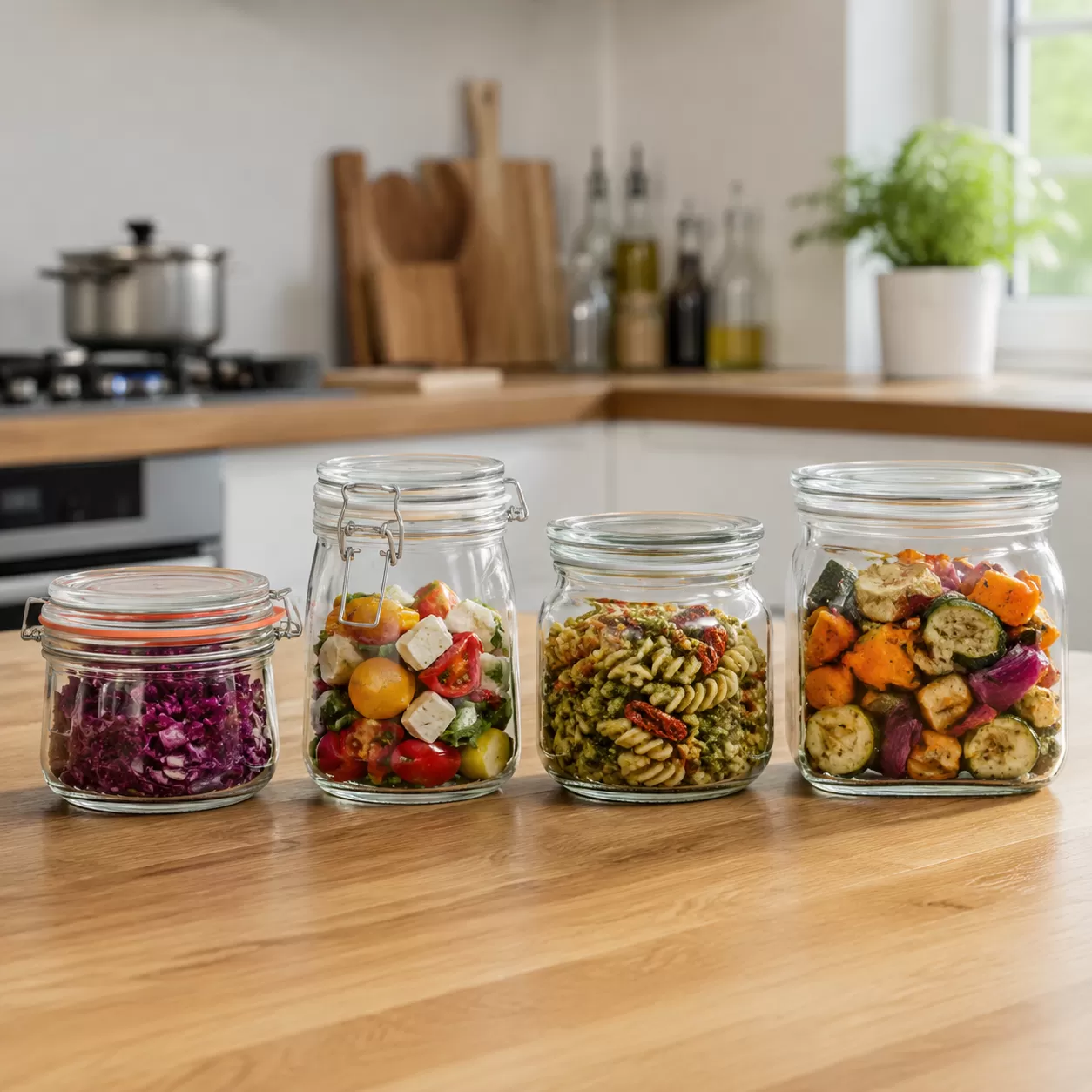
When you’re looking for oven safe glass jars, the first thing to understand is that not all glass is built for the heat. Most people grab a standard jar from the pantry assuming it can handle the bake, but the material composition matters more than the brand name.
Standard Mason Jars
Standard canning jars are typically made of tempered soda-lime glass. While these are excellent food-grade containers for water bath canning, they are not specifically designed for the dry, intense radiant heat of an oven. They can handle a steady climb in temperature, but they lack the structural flexibility to survive the “hot spots” often found in home ovens.
Soda-Lime Glass vs. Borosilicate
The difference between a cracked jar and a successful bake usually comes down to the chemistry of the glass.
| Feature | Soda-Lime Glass | Borosilicate Glass |
|---|---|---|
| Heat Resistance | Moderate (Good for boiling) | High (Superior thermal stability) |
| Thermal Shock | Lower tolerance | High tolerance to temperature shifts |
| Common Uses | Bulk wholesale glass jars, beverage bottles | Lab glass, high-end bakeware |
| Oven Safety | Risky; use with extreme caution | Recommended for high-heat applications |
For information on the main differences and uses of borosilicate glass and soda-lime glass, please refer to: Borosilicate Glass vs Soda Lime Key Differences and Uses
Reihey Quality Standards
As a dedicated manufacturer, we ensure our wholesale glass jars meet rigorous safety thresholds. We don’t just provide jars; we provide peace of mind for brands and home cooks alike. For those who require the highest level of heat performance, we utilize premium materials similar to our rectangular glass baking dish high borosilicate glass bakeware, which is engineered specifically to withstand thermal stress without shattering.
Key Takeaways for Jar Selection:
- Check the bottom: Look for “Oven Safe” stamps or manufacturer markings.
- Weight matters: Commercial-grade, thicker glass often handles heat better than thin, decorative jars.
- Material first: Always prioritize borosilicate glass if you plan on frequent high-temperature baking.
A Critical Safety Warning
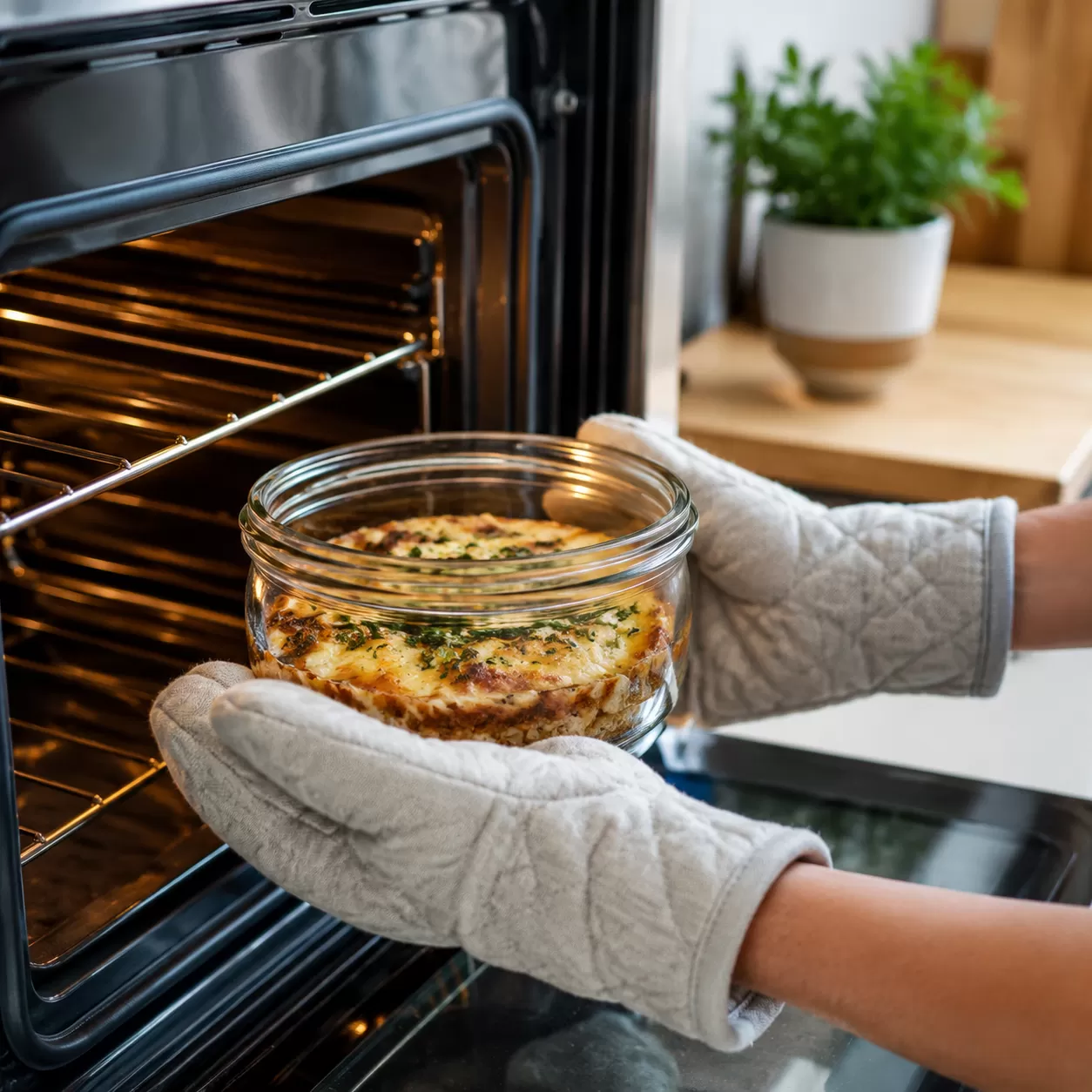
I’ve seen many DIY tutorials suggesting you can preserve food by “baking” it in jars. Let’s be clear: this is a major safety risk. While high-quality oven safe glass jars are designed to handle dry heat for baking or roasting, they are not a substitute for a pressure canner or a proper water bath.
Why the USDA Advises Against Oven Canning
The USDA and food safety experts strictly warn against this practice because dry air is an inefficient heat conductor. It does not penetrate the center of the jar effectively enough to kill harmful bacteria. Furthermore, the dry heat of an oven can degrade the sealing compounds on lids, leading to a seal failure that invites spoilage. For more detailed safety breakdowns and manufacturing insights, I recommend browsing our glassware blog for the latest industry updates.
The Lethal Risk of Botulism
The most significant threat of oven canning is botulism. To safely preserve low-acid foods, you must reach a consistent internal temperature of at least 240°F. Ovens are notorious for temperature fluctuations and “cold spots.” Without the consistent, high-pressure environment of a dedicated canner, spores like Clostridium botulinum can survive and thrive in an airtight jar, producing toxins that are tasteless, odorless, and deadly.
Pressure and Explosion Hazards
Using glass jars for canning in a dry oven creates significant physical dangers. Because the heat is uneven, the risk of a “glass bomb” in your kitchen is very real.
| Hazard | Impact on Glass Jars |
|---|---|
| Internal Pressure | Expanding air and steam inside a sealed jar can exceed the glass’s structural limit, leading to an explosion. |
| Thermal Shock | Moving a jar from a 300°F oven to a room-temperature counter is a primary cause of shatter-proof glass failure. |
| Glass Weakening | Repeated exposure to high dry heat can cause micro-fractures, compromising the jar for future use. |
Bottom line: Use your soda-lime glass or borosilicate jars for baking cakes, crumbles, or roasting, but never for home preservation. Always stick to science-based, tested canning methods to keep your kitchen and your family safe.
Pro-Tips: How to Safely Use Glass Jars in the Oven
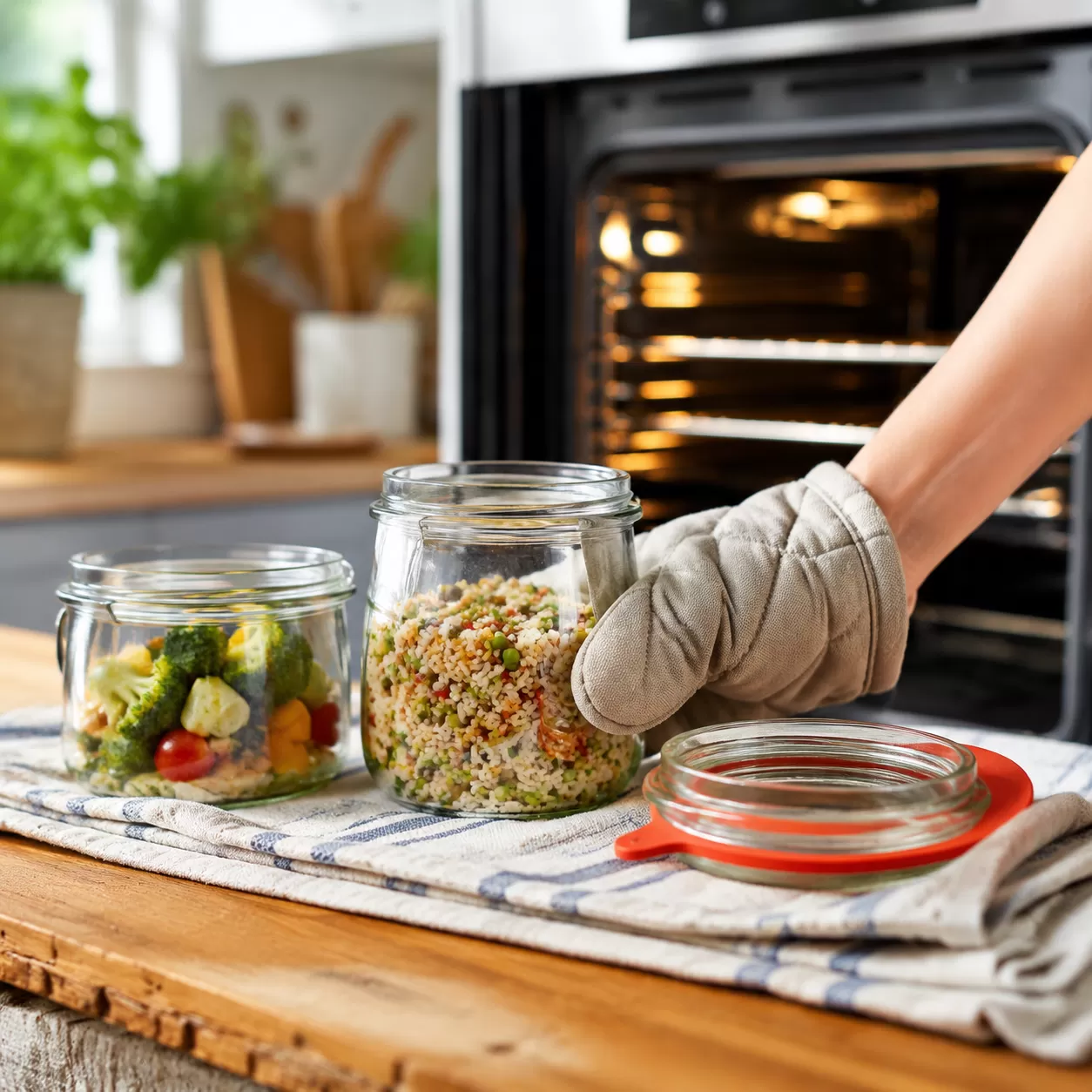
Using oven safe glass jars successfully comes down to managing temperature transitions. Even high-quality heat-resistant glassware requires proper handling to prevent accidents. As a manufacturer, I always emphasize that while the glass is durable, user technique is what prevents failure in the kitchen.
Never Pre-Seal Jars
Pressure is the primary cause of jar failure. Never put a jar in the oven with the lid tightened. As the contents heat up, steam and air expand; if they have nowhere to go, the jar will burst. Always heat your food-grade containers open or with the lid sitting loosely on top to allow for proper ventilation.
Avoid Temperature Extremes
The fastest way to cause glass shattering is through thermal shock. I recommend never moving a jar directly from the freezer or refrigerator into a preheated oven. Similarly, when you take a hot jar out, do not set it on a cold or wet stone countertop. Use a dry cloth or a wooden cooling rack to bridge the temperature gap safely.
The Water Bath Method (Bain-Marie)
For consistent results, I suggest using a water bath. Place your jars in a deep baking pan and fill it with an inch of warm water. This “Bain-Marie” technique surrounds the soda-lime glass with a stable temperature, distributing the heat evenly and reducing the risk of localized hotspots that cause stress fractures.
Inspection Checklist for Chips and Cracks
Before every use, perform a quick physical audit. A jar that looks fine at room temperature might fail under heat if it has structural weaknesses. Use this quick guide:
- Scan for Hairline Cracks: Run your fingernail over any visible lines; if you feel a snag, the jar is compromised.
- Check the Rim: Even a small chip at the top can lead to a full break when the glass expands.
- Verify Quality: Ensure you are sourcing from a reputable glass oil bottle manufacturer that utilizes a proper annealing process to remove internal stress during production.
- Inspect the Base: The bottom takes the most direct heat; ensure there is no deep scratching from heavy previous use.
| Safety Rule | Why It Matters |
|---|---|
| Loose Lids | Prevents dangerous pressure buildup. |
| Gradual Heating | Eliminates thermal shock risks. |
| No Cold Surfaces | Prevents the glass from snapping post-baking. |
| Water Buffer | Ensures even heat distribution for borosilicate glass or soda-lime alternatives. |
Commercial Sourcing: Why Bulk Buyers Choose Reihey for Oven Safe Glass Jars
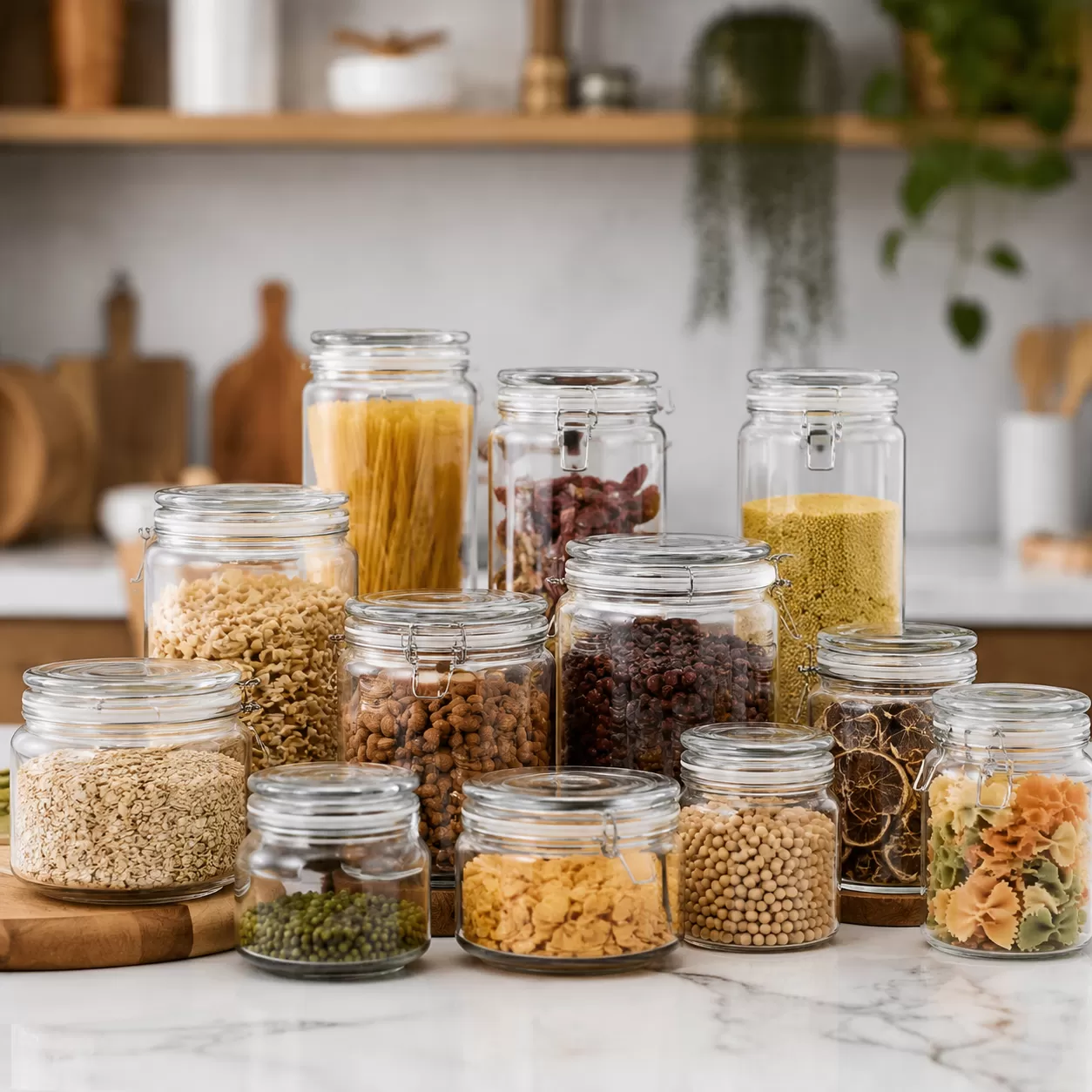
As a leading manufacturer, I’ve seen firsthand how the right packaging can make or break a brand. Bulk buyers choose us because we don’t just sell wholesale glass jars; we provide high-performance, food-grade containers that stand up to the heat. Our production lines are optimized for consistency, ensuring that every pallet meets strict safety and durability standards.
Wholesale Versatility and Customization
We understand that a “one size fits all” approach doesn’t work for global brands. Whether you are looking for classic oven safe glass jars for pre-packaged meals or specialized containers for gourmet gifts, we offer full customization. Our clients often pair their bulk orders with specialized items like our 4oz square glass spice jar with bamboo lid to create a cohesive, premium kitchen line.
- Custom Branding: Embossed logos and custom colors to make your product pop.
- Massive Volume: High-capacity manufacturing to handle large-scale global demands.
- Standard & Unique Sizes: From small sample jars to large bulk storage options.
Eco-Friendly Packaging Advantages
Sustainability is no longer optional. Our glass solutions provide a sustainable packaging alternative to plastic, catering to eco-conscious consumers worldwide. Glass is 100% recyclable and maintains its purity regardless of how many times it is repurposed.
| Feature | Generic Wholesale Jars | Reihey Manufacturing Standards |
|---|---|---|
| Material Quality | Often inconsistent | Premium soda-lime & borosilicate |
| Heat Stability | Hit-or-miss | Tested for high-stress environments |
| Sustainability | Varies by source | 100% recyclable & eco-friendly |
| Lead Times | Unpredictable | Reliable direct-to-buyer shipping |
Built for the Global Market
We’ve refined our logistics to serve international clients with ease. By sourcing directly from our factory, you eliminate the middleman, reducing costs while ensuring your shatter-proof glass inventory is always stocked. Our commitment to quality means fewer breakages during transit and higher satisfaction for your end-users. For businesses branching into decor or aromatherapy, we also produce high-heat options like our 7oz electroplated frosted glass candles jars, ensuring your entire product range is built on a foundation of safety and style.
Common Questions About Oven Safe Glass Jars
I get asked these questions constantly by both home cooks and bulk buyers. When you are dealing with high temperatures, knowing the limits of your oven safe glass jars is the difference between a successful bake and a dangerous mess.
What is the maximum temperature for a Mason jar?
Most high-quality soda-lime glass jars are rated for temperatures up to 350°F (177°C). However, the glass doesn’t usually break because of the heat itself, but because of thermal shock. A sudden temperature shift of more than 100°F is usually the breaking point. If you are using specialized containers like our six prism glass honey jars, always ensure they are at room temperature before they hit the heat.
How can I tell if my glass jar is tempered?
- Check the Markings: Look for a “T” or the word “Tempered” etched into the bottom of the glass.
- The Polarization Test: If you hold the glass up to a computer screen while wearing polarized sunglasses, tempered glass often shows dark “stress lines.”
- Manufacturing Specs: As a manufacturer, we provide detailed sheets on the annealing process for all our wholesale glass jars so you know exactly what stress levels they can handle.
Can I put glass jars in a convection oven?
Yes, but you have to be more careful. Convection ovens use fans to circulate hot air, which can heat the exterior of the glass much faster than the interior. To keep your glassware safe:
- Place the jars in a cold oven.
- Let the glass and the oven heat up together.
- Avoid using the “high fan” setting if possible.
What should I do if a jar breaks in the oven?
Safety is non-negotiable here. If a jar shatters:
- Do not open the door immediately; let the air cool so you don’t breathe in glass dust.
- Turn off the heat and wait at least an hour.
- Discard all food currently in the oven. Even if it looks fine, microscopic shards can settle on open dishes.
- Once cool, use a vacuum with a HEPA filter to clean the floor and walls of the oven.
| Feature | Standard Mason Jar | Borosilicate Glass |
|---|---|---|
| Max Temp | ~350°F | ~450°F+ |
| Thermal Shock Resistance | Moderate | High |
| Common Use | Canning/Storage | Lab/High-end Bakeware |
| Eco-Friendly | 100% Recyclable | 100% Recyclable |