How to Store Strawberries in a Mason Jar
The Science Behind Glass Jar Storage
As a glass mason jars manufacturer and supplier, we understand how material science impacts food preservation. Glass is a non-porous material, meaning it does not absorb odors, bacteria, or moisture like plastic does. When you store strawberries in an airtight glass jar, you create a controlled microclimate.
This environment limits the amount of oxygen available to the fruit, which significantly slows down their respiration rate and delays the natural decaying process. Furthermore, glass provides a stable temperature barrier inside your refrigerator, keeping your fresh fruit protected from fluctuating humidity levels.
How Long Do Strawberries Last in a Mason Jar?
Using high-quality glass jars can drastically extend shelf life compared to traditional packaging.[2][3]
- Standard plastic clamshell storage: 3 to 5 days
- Mason jar storage (unwashed berries): 10 to 14 days
- Mason jar storage (vinegar wash method): Up to 3 weeks
By switching to premium glass bottles and jars, wholesale buyers and consumers alike can achieve maximum mold prevention, cutting down on food waste significantly.
Understanding Strawberry Fragility and Spoilage Factors
Strawberries are among the most delicate berries due to their thin skins and high water content. The primary catalysts for strawberry spoilage include:
- Excess Moisture: Surface water triggers rapid mold growth.
- Ethylene Gas: Strawberries produce and are sensitive to this ripening agent.
- Bruising: Damaged cells release enzymes that accelerate rot.
Our specialized food storage methods focus on managing these exact vulnerabilities. Utilizing a sealed glass environment keeps external humidity out while maintaining the structural integrity of the berries, offering a reliable solution for commercial and domestic produce preservation.
How to Choose and Prepare Your Strawberries
Choosing the right fruit and container is the foundation of successful produce preservation. By selecting the best raw materials and matching them with the correct storage vessel, you drastically reduce early spoilage.
What to Look For When Buying Fresh Strawberries
To keep strawberries fresh for as long as possible, you must start with the highest quality fruit at the grocery store or market.
- Color: Look for a vibrant, deep red from top to bottom. Strawberries do not ripen after they are picked; white or green tops mean they will stay tart and lack natural sugars.
- Plumpness: Choose firm, plump berries with a natural sheen. Avoid dull-looking or shriveled skins.
- Leaf Condition: The green caps (leaves) should look fresh, bright, and intact. Dry, brown, or missing caps signal older fruit.
Sorting and Removing Damaged Berries
Before moving your fruit to a glass jar, you must sort through the entire batch. One bad strawberry can quickly ruin the rest of the container.
| Action | What to Remove | Why It Matters |
|---|---|---|
| Discard | Berries with visible mold or white fuzz | Prevents mold spores from spreading to healthy fruit |
| Separate | Bruised, mushy, or leaking strawberries | Excess moisture from damaged fruit accelerates rot |
| Keep | Firm, dry, and unblemished unwashed berries | Optimal candidates for extended shelf life |
Choosing the Right Size Mason Jar
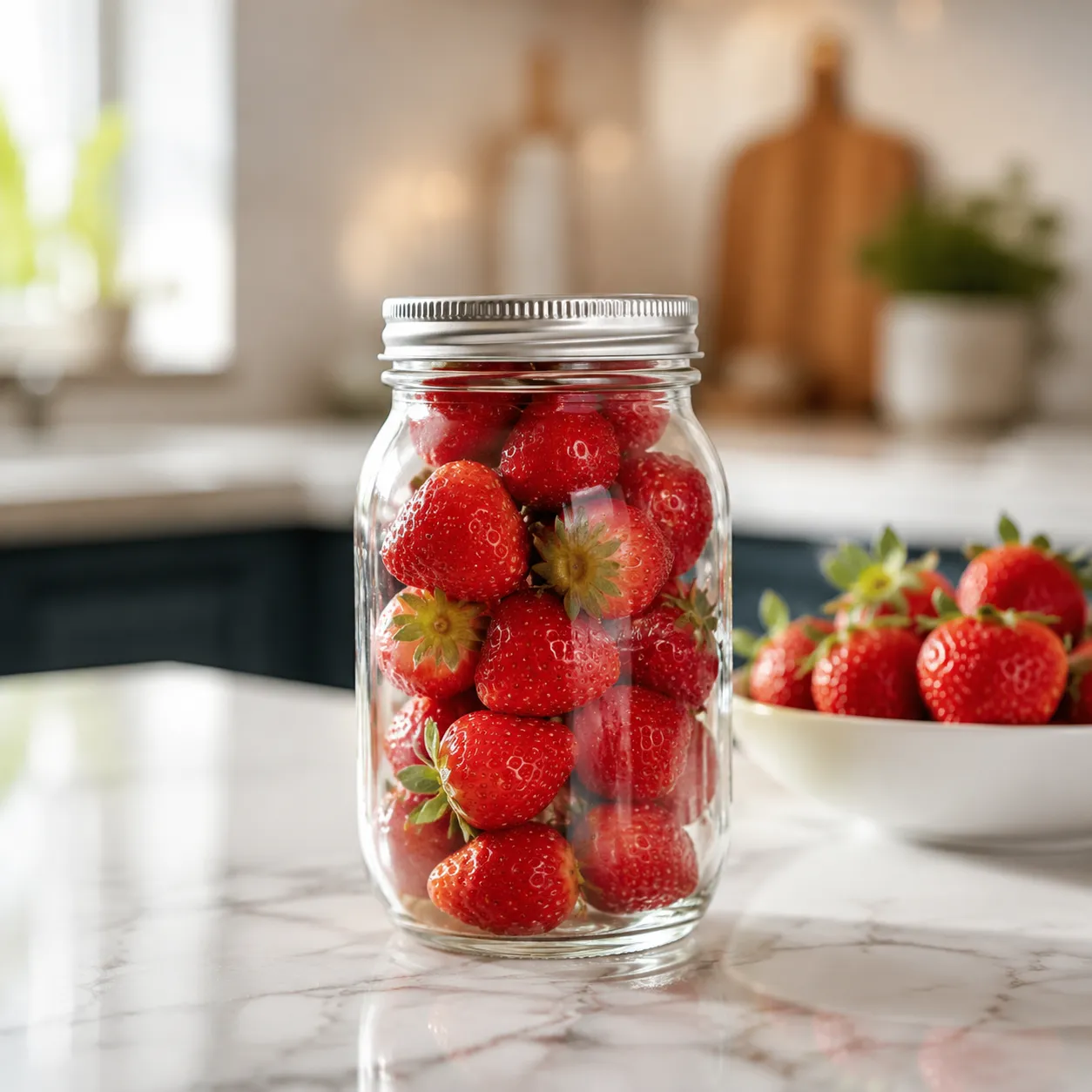
Choosing the correct container capacity is critical for proper airflow. When selecting the best glass jars for storage, make sure the container accommodates the berries without crowding them. See our mason jar sizes in oz chart and pint vs quart mason jar comparison when matching jar volume to your batch.
- Pint Jars (approx. 473 ml): Ideal for small batches or smaller wild strawberries.
- Quart Jars (approx. 946 ml): The standard choice for a typical supermarket clamshell of strawberries.
- Half-Gallon Jars (approx. 1.9 Liters): Best for bulk storage or large, long-stemmed berries.
Pro Tip: Never squeeze or jam the fruit into the jar. Leave about an inch of headspace at the top of the glass jar to ensure proper air circulation and prevent bruising.
Step-by-Step Guide: Storing Strawberries in a Mason Jar
Mastering how to store strawberries in a mason jar comes down to controlling moisture and airflow. Glass creates an optimal microclimate that protects delicate berries from premature spoiling. Follow these precise steps to maximize the shelf life of your fresh fruit.
Step 1: The Critical Decision (To Wash or Not to Wash)
The absolute best practice for maximizing freshness is to store unwashed berries. Introducing moisture too early is the primary cause of mold growth.
The No-Wash Method (Recommended): Place the strawberries directly into the jar straight from the store. Only wash them immediately before you plan to eat them.
The Wash Method: If you must wash them ahead of time to have a grab-and-go snack, you must commit to drying them completely. Any lingering moisture inside an airtight container will ruin the batch within days.
Step 2: Preparing and Drying the Berries Completely
If you chose to wash your strawberries or if they feel damp from the grocery store, you must dry them thoroughly before they touch the glass.
- Line a baking sheet or countertop with a clean paper towel or kitchen towel.
- Spread the strawberries out in a single layer.
- Let them air-dry for at least 20 to 30 minutes.
- Gently pat the tops with another paper towel to remove every last drop of moisture.
Step 3: Packing the Jar Properly
Match jar size to your batch so berries are not crushed—our pint vs quart mason jar guide helps you pick the right capacity. Wide mouth vs regular mouth mason jars also affects how easily you can load fruit without bruising.
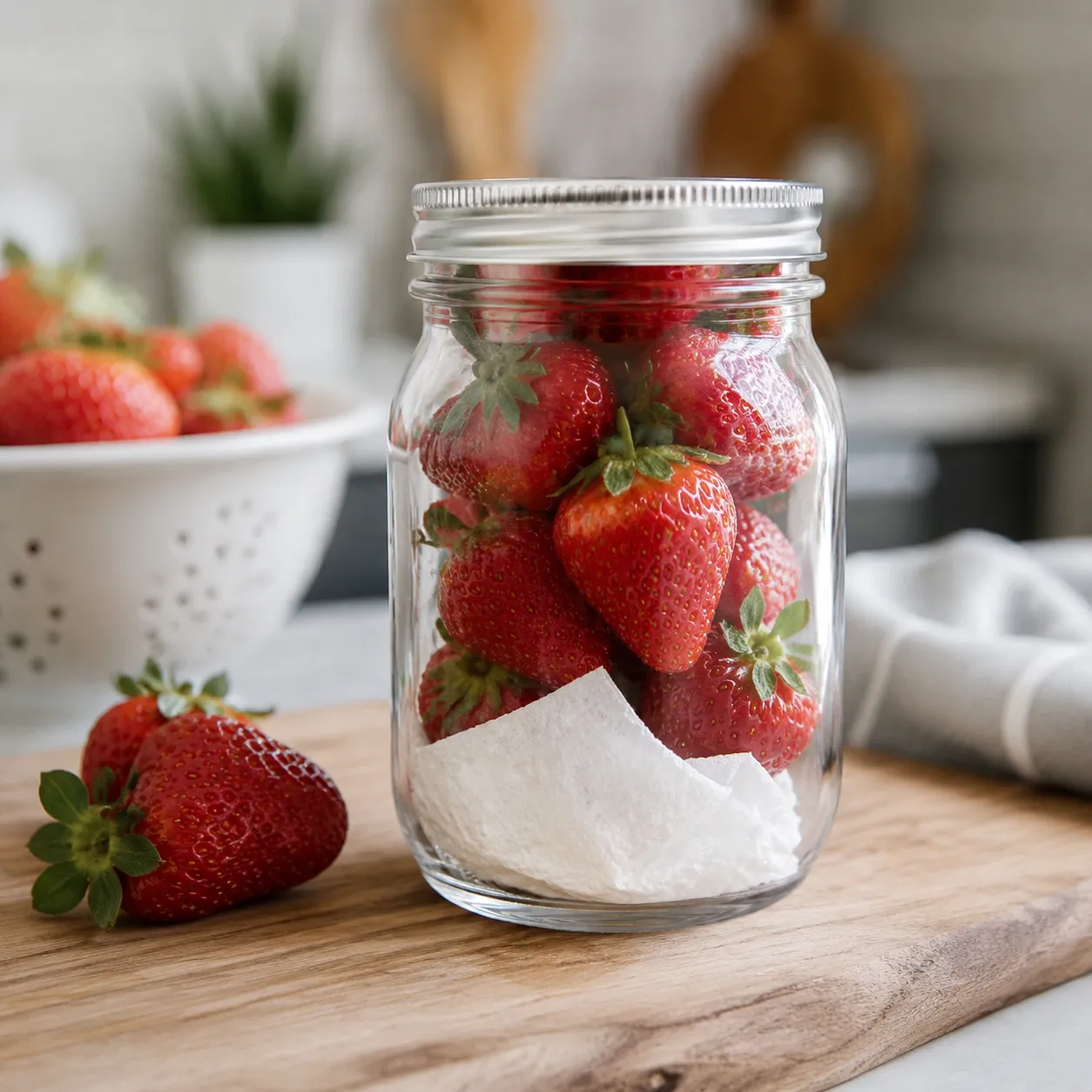
- Place a small piece of folded paper towel at the bottom of the glass jar to absorb any residual moisture.
- Gently place the strawberries into the jar.
- Do not pack them tightly. Avoid crowding or crushing the berries, as bruising releases juices that trigger rapid mold growth. Leave a little bit of breathing room at the top.
Step 4: Sealing and Placing in the Fridge
Twist the lid on tightly to create a secure seal. The airtight environment slows down the respiration rate of the fruit, keeping them crisp and fresh. Place the sealed mason jar in the main compartment of your refrigerator rather than the crisper drawer.[2] The temperature in the main body of the fridge remains more consistent, providing a stable environment for long-lasting produce preservation.
Alternative Preparation: The Vinegar Bath Method
A vinegar wash is one of the most effective food storage methods for mold prevention on fresh fruit.[1] By eliminating invisible mold spores and bacteria on the surface of the berries, this quick treatment can drastically extend shelf life before the fruit goes into glass jars.
The Ideal Vinegar-to-Water Ratio
To create the perfect sanitizing bath without altering the taste of your berries, use a 1:3 ratio of white vinegar to cold water.
1 part white distilled vinegar
3 parts cold tap water
Mixing this solution in a clean bowl ensures it is strong enough to kill mold spores but mild enough to keep your unwashed berries from absorbing any vinegar flavor.
How to Soak and Clean the Strawberries
- Submerge the berries: Place your fresh strawberries into the vinegar and water mixture.
- Soak briefly: Let them sit in the bath for 5 to 10 minutes. Do not leave them in longer, or the berries will begin to absorb water and get soggy.
- Agitate gently: Swirl the strawberries around with your hands to loosen any dirt or debris.
- Rinse thoroughly: Drain the berries in a colander and rinse them under cold running water to wash away any remaining vinegar residue.

Drying Berries Thoroughly Before Jar Storage
Moisture is the ultimate enemy of produce preservation. If you pack damp strawberries into an airtight container, they will spoil rapidly.
Spread the rinsed strawberries out in a single layer on a clean paper towel or a dry dishcloth. Let them air-dry completely for at least 1 to 2 hours. For the best results, gently pat the tops of the berries with a paper towel to ensure absolutely no moisture remains before transferring them into your food storage glass jam jar.
Monitoring and Maintaining Your Stored Strawberries
Checking for Condensation Inside the Jar
To successfully keep strawberries fresh, you need to check the glass jar every couple of days for condensation. High moisture levels inside an airtight container accelerate mold growth. If you notice water droplets forming on the inner glass walls, simply wipe the inside of the lid and the jar with a clean paper towel to remove the moisture, or replace the paper towel at the bottom of the jar.
When to Downsize Your Jar
As you eat your fresh fruit, the empty space inside the jar increases, which traps more oxygen and accelerates spoilage. To maintain proper produce preservation, downsize your berries to a smaller jar once you have consumed half of the batch. Switching to smaller glass jars minimizes air exposure and helps extend shelf life.
Signs of Spoilage to Watch Out For
Keep a close eye on your berries to ensure effective mold prevention. Check for these specific signs of spoilage daily:
- Soft or Mushy Texture: Dark, bruised, or leaking spots.
- Dull Color: Loss of the vibrant red sheen, turning a matte burgundy.
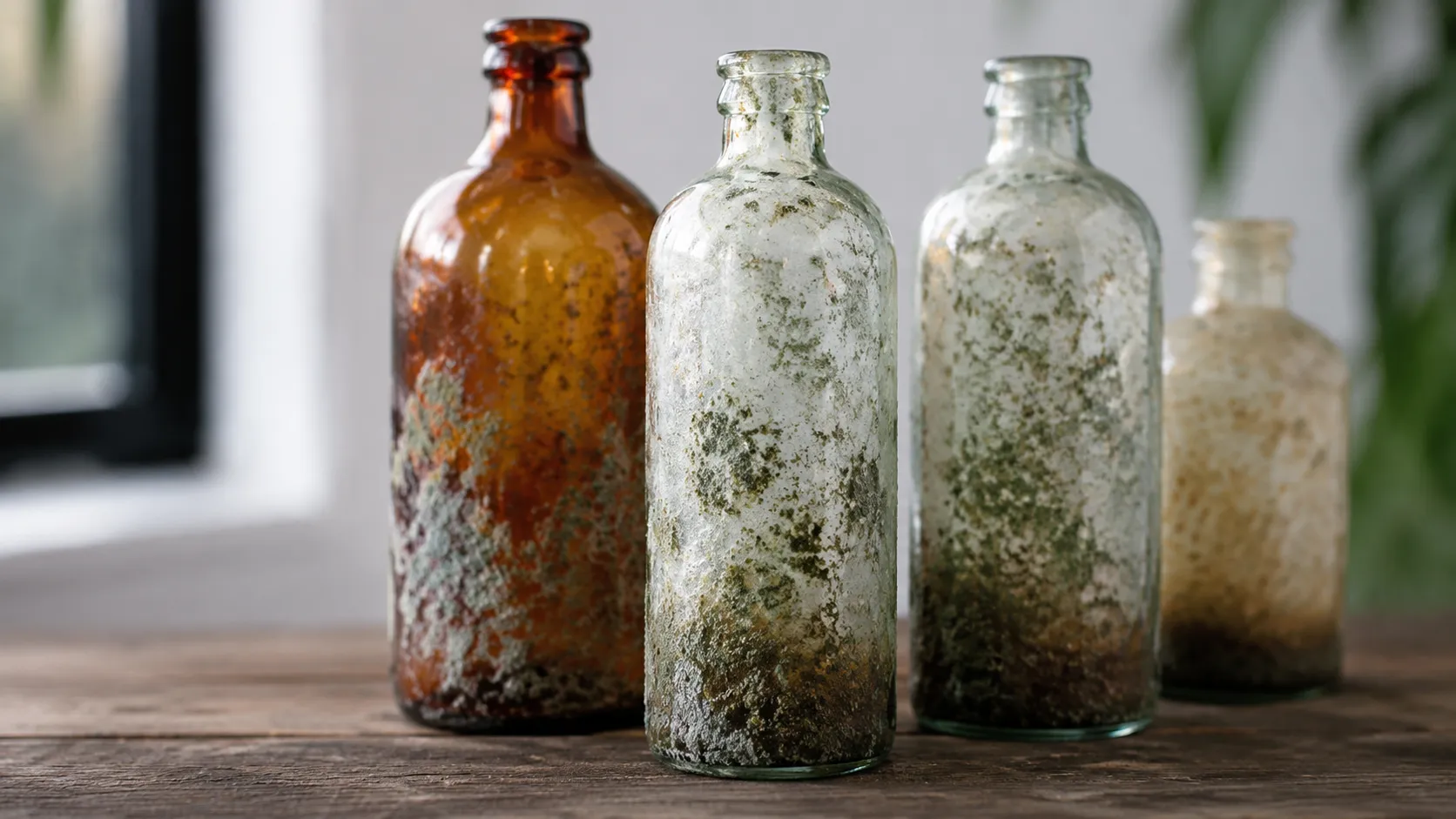
- White or Gray Fuzz: Immediate signs of mold spores starting to grow.
- Off Odor: A fermented or sour smell when you open the airtight seal.
If you spot a single decaying berry, remove it immediately to save the rest of the batch.
Mason Jar vs. Other Strawberry Storage Methods
When it comes to produce preservation, choosing the right food storage methods makes or breaks your grocery budget. Glass jars offer a distinct advantage over alternative options by controlling moisture and airflow to keep strawberries fresh for up to two weeks.
Mason Jar vs. Original Plastic Clamshell Carton
The plastic clamshell carton your strawberries come in is designed for transport, not long-term storage. These containers are full of ventilation holes that expose the fresh fruit to constant airflow, causing the berries to shrivel up rapidly. Worse yet, if one berry harbors mold spores, the open air and close contact allow it to spread to the entire batch within days. Switching your berries to a sealed wide-mouth glass mason jar creates a controlled microenvironment that stabilizes humidity and isolates the fruit from outside contaminants.
Mason Jar vs. Plastic Airtight Containers
While a plastic airtight container seals out the elements, plastic is inherently porous and tends to trap ambient heat and chemicals like BPA. Glass is a non-porous, natural material that maintains a colder, more consistent temperature in the refrigerator. Using high-quality glass jars prevents moisture fluctuations, which is the number one trigger for mold prevention.
Mason Jar vs. Paper Towel and Crisper Drawer Method
The traditional method of layering unwashed berries with a paper towel in the crisper drawer works well for a few days, but it lacks a true airtight seal. The crisper drawer opens and closes constantly, exposing the fragile fruit to temperature drops and ethylene gas from surrounding produce. Storing strawberries in a glass jar locks in the ideal environment, meaning you don’t have to worry about nearby apples or bananas accelerating the spoilage of your berries.
Long-Term Strawberry Preservation Options
While learning how to store strawberries in a mason jar is perfect for short-term refrigeration, you need alternative methods for bountiful harvests or bulk purchases. Moving beyond fresh storage allows you to enjoy the fruit for months to come. We design premium glass jars for food storage that integrate seamlessly into all preservation workflows, keeping your pantry organized and efficient.
How to Freeze Strawberries Properly
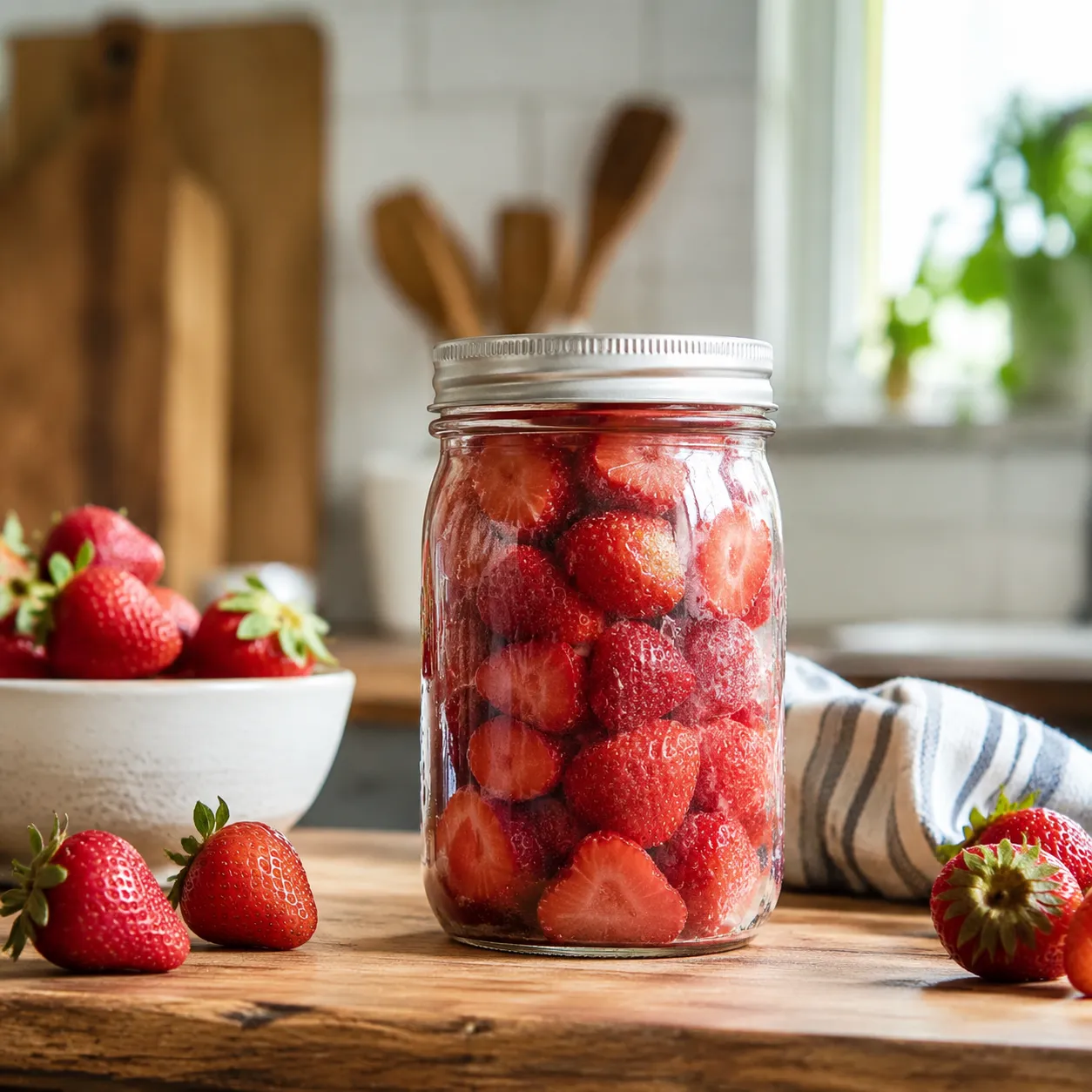
Freezing preserves the nutritional value and vibrant flavor of fresh fruit at its peak. To prevent the berries from clumping together into a solid block, follow this simple flash-freezing technique.
- Wash and Dry: Clean the berries thoroughly and ensure they are 100% dry to prevent ice crystals.
- Hull: Slice off the green tops.
- Flash Freeze: Arrange the strawberries in a single layer on a parchment-lined baking sheet, ensuring they do not touch. Freeze for 2 to 4 hours until solid.
- Long-Term Storage: Transfer the frozen berries into airtight containers or heavy-duty freezer bags.
| Preservation Method | Shelf Life | Best For |
|---|---|---|
| Flash Freezing | 10–12 Months | Smoothies, baking, sauces, and jams |
| Dehydrating | 6–12 Months | Snacking, oatmeal toppings, and cereal |
Dehydrating Strawberries for Shelf-Stable Storage
Dehydration removes moisture, making the fruit inhospitable to mold and bacteria. Dried strawberries become a lightweight, concentrated snack that saves immense pantry space.
- Slice Evenly: Cut hulled strawberries into uniform slices about 1/4-inch thick to ensure even drying.
- Arrange: Place the slices on your dehydrator trays with space between each piece for optimal airflow.
- Dry: Run the dehydrator at 135°F (57°C) for 8 to 12 hours. The strawberries are done when they feel pliable and leathery with no visible moisture.
- Condition and Store: Let the slices cool completely. Pack them into clean, airtight glass jars for long-term shelf stability.
Common Mason Jar Berry Storage Mistakes to Avoid
Even with the right glass jars, a few common errors undo days of careful prep. We see these issues most often in home kitchens and small food-service setups:
- Washing too early: Rinsing berries days before you eat them adds surface moisture that accelerates mold inside an airtight container. Store unwashed berries when possible, or wash only when you are ready to dry and pack immediately.
- Packing wet fruit: Skipping the full dry time after a vinegar wash or baking soda bath leaves droplets that collect on jar walls. Always air-dry on a paper towel until the berries feel completely dry to the touch.
- Overcrowding the jar: Stuffing berries to the rim bruises delicate skin and traps juice at the bottom. Leave headspace and choose a jar size that fits the batch without compression—refer to pint vs quart sizing when in doubt.
- Ignoring condensation: Skipping a regular condensation check lets humidity build until mold appears. Wipe interior moisture or swap the bottom paper towel every few days.
- Using the wrong jar size: A half-empty quart jar exposes too much air as you eat through the batch. Downsize to a smaller glass jar once the volume drops to keep produce preservation on track.
FAQ: How to Store Strawberries in a Mason Jar
Should you cut or hull strawberries before putting them in a jar?
No, you should leave the stems and hulls completely intact when learning how to store strawberries in a mason jar. Cutting or hulling the berries exposes the interior flesh to air and moisture, which accelerates breakdown and invites mold growth. For the best produce preservation, keep them whole until you are ready to eat them.
Can you use this same mason jar method for blueberries and raspberries?
Yes, this airtight container strategy works well for other fresh fruit. Blueberries thrive under this method and can see a significant extension in shelf life. Raspberries and blackberries are more fragile, but a clean glass jar from our selection still protects them from bruising and outside moisture better than standard plastic packaging.
Can you wash strawberries with baking soda instead of vinegar?
Yes, a baking soda bath is an excellent alternative to a vinegar wash for mold prevention.[1]
- The Ratio: Use 1 teaspoon of baking soda per 2 cups of cold water.
- The Process: Soak the unwashed berries for about 12 to 15 minutes, then rinse thoroughly.
- The Golden Rule: Just like the vinegar method, you must run a strict condensation check and ensure the berries are 100% dry on a paper towel before sealing them into your glass jars.
References
- Harvard T.H. Chan School of Public Health — Want Berries With Fewer Pesticides? Here’s How to Wash Them
- U.S. FDA — Refrigerator Thermometers: Cold Facts About Food Safety
- Iowa State University Extension — Harvesting and Storing Small Fruit (Strawberries)