Glass Bottle Design — Shape, Color, and Brand Identity
How Design Emotionally Connects with Consumers
- The Tactile Experience: A heavy base conveys luxury and substance, encouraging premium pricing.
- Visual Trust: High-clarity flint glass showcases the true color and purity of the liquid inside, building instant consumer confidence.
- Nostalgia and Heritage: Specific silhouettes evoke historical craftsmanship, forming an instant emotional bond with the buyer.
| Consumer Perception | Design Element Trigger | Target Market Impact |
|---|---|---|
| Luxury / Premium | Thick glass base, heavy weight | Spirits, High-end Cosmetics |
| Purity / Cleanliness | Crystal-clear flint glass, minimalist lines | Water, Premium Juices, Skincare |
| Eco-Friendly / Heritage | Amber or green glass, traditional shapes | Craft Beer, Wine, Wellness Oils |
Building Brand Identity Through Glass Packaging
Your packaging is the physical manifestation of your brand identity. A stock bottle forces your brand to fit someone else’s mold, whereas custom glass packaging tells your unique story at a single glance.
- Consistency: Standardized custom molds ensure your entire product line maintains a cohesive, recognizable look across global retail shelves.
- Value Alignment: Sleek, geometric lines appeal to modern, minimalist consumers, while intricate, embossed details attract traditionalists.
- Shelf Presence: Unique contours capture light differently, ensuring your product stands out in high-density retail environments.
Why Custom Glass Design Matters for Differentiation
Relying on generic shapes limits market share. Investing in custom glass bottle design provides a definitive competitive edge that protects and elevates your business.
Key Advantage: Custom creation establishes an immediate barrier to entry for competitors attempting to mimic your product.
- Instant Recognition: Consumers can identify your brand by silhouette alone, even before reading the label.
- Perfect Functionality: Custom designs are engineered specifically for your filling lines, sealing requirements, and distribution logistics, minimizing breakage and waste.
- Market Leadership: Pioneering a unique shape positions your business as an industry innovator rather than a follower.
Key Elements of Creative Glass Bottle Design
Choosing the Right Bottle Shape and Silhouette
The silhouette is the first thing a consumer notices. Unique shapes and sizes define a product’s shelf presence and directly influence brand perception.
- Round Bottles: Classic, highly versatile, and easy to label. Ideal for high-speed production lines.
- Square/Rectangular Bottles: Offer a premium, modern feel. They maximize shelf space but require precise manufacturing to prevent weak corners.
- Oval & Ergonomic Shapes: Often used in cosmetics and specialty beverages to provide a comfortable grip and a distinctive look.
Color Varieties and Glass Transparency
Glass color serves both an aesthetic purpose and a protective function for the product inside. We offer diverse color glass jars and bottles tailored to specific market needs.
| Glass Color | Common Uses | Key Benefits |
|---|---|---|
| Flint Glass | Spirits, premium water, cosmetics | Ultimate clarity; showcases the natural color of the product. |
| Amber Glass | Beer, pharmaceuticals, essential oils | Provides maximum UV protection to prevent light degradation.[3] |
| Cobalt Blue | Gourmet oils, premium spirits, skincare | Delivers a luxury, high-end feel with moderate light protection. |
Bottle Finishes and Neck Specifications
The bottle finish refers to the specific shape of the opening that determines the closure type. Choosing the right neck specification is critical for preventing leaks and ensuring a seamless user experience.
- Screw Thread (GPI/Continuous Thread): The most common finish, ideal for resealable everyday products.
- Cork / Bartop Finish: Standard for premium wine bottle design and high-end spirits, giving a traditional, luxury feel.
- Crown Finish: The classic choice for craft beer and traditional carbonated sodas.
Embossing, Debossing, and Structural Textures
Adding tactile elements directly onto the glass elevates the premium feel of custom packaging without relying solely on paper labels. 3D embossing raises logos or patterns above the glass surface, catching the light and encouraging tactile interaction. Conversely, debossing indents designs into the glass for a subtle, sleek look. Incorporating unique structural textures, like a hammered effect, adds an immediate sense of craftsmanship to the product.
Innovative Glass Bottle Design Ideas by Industry
Every industry demands a unique visual language. At Reihey, we craft custom glass containers that respect industry traditions while breaking through shelf clutter. The right glass bottle design tells your brand’s story before a consumer ever tastes or applies the product.
Premium Spirits and Liquor Bottle Concepts
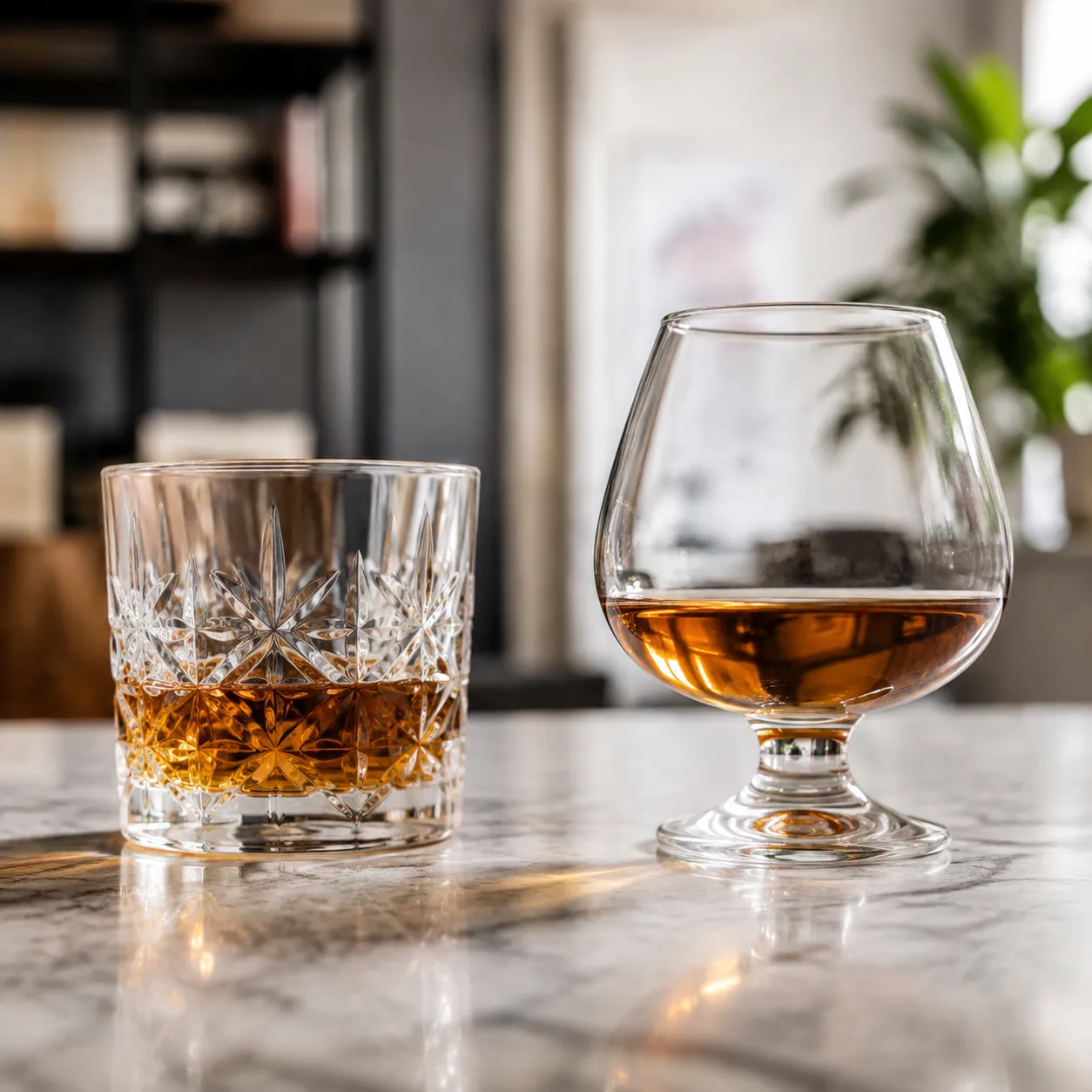
High-end spirits demand heavy glass bases, intricate structural details, and undeniable shelf presence. Explore types of perfume bottles and spirits silhouettes when scaling a cohesive glass bottle design line. For whiskey, brandy, and vodka, a great glass bottle design uses thick, flint glass to maximize clarity and reflect light.
- Visual Weight: Thick bases signal luxury and premium quality.
- Tactile Elements: Incorporate 3D embossing or debossing directly into the mold to prevent counterfeiting and improve grip.
- Geometric Shapes: Sharp, angular silhouettes stand out for modern spirits, while soft, rounded shoulders suit traditional liquors.
Elegant Wine and Champagne Bottle Designs
Wine packaging relies heavily on classic silhouettes, but modern brands need subtle differentiation to capture consumer attention.
- Traditional Formats: Classic Bordeaux, Burgundy, and Champagne shapes remain the industry standard for a reason.
- Color Choices: Use antique green or amber glass to protect light-sensitive wines from UV damage, or clear flint glass to showcase the vibrant hues of rosés and white wines.
- Deep Punts: A deep indentation at the base adds structural integrity for sparkling varieties and offers a classic, premium feel.
Modern Beverage and Craft Beer Packaging
The craft beer, kombucha, and specialty beverage markets thrive on personality. Your glass packaging must look great in a retail cooler and feel comfortable in a customer’s hand.
- Functional Silhouettes: Shortneck stubbies and classic longnecks offer different brand vibes, from retro to clean and modern.
- Color Variety: Amber glass provides the highest level of UV protection for hopped beers, while cobalt blue or clear glass works beautifully for cold brews and flavored sodas.
- Closure Compatibility: Design specifically for crown caps, swing-tops, or thread finishes depending on your production line.
Luxury Cosmetics and Perfume Glass Containers
In the beauty industry, the container is just as important as the formula inside. Luxury skincare, serums, and fragrances require precise, high-end glass engineering that feels exquisite on a vanity.
- Delicate Geometry: From sleek cylinders to unique custom creations, cosmetic glass must look flawless. For specialized applications, unique shapes like a single gourd shape glass essential oil bottle add an instant premium aesthetic to oils and serums.
- Cohesive Collections: Ensure consistency across your entire product line, scaling shapes and sizes perfectly from 10ml vials up to large lotion bottles.
- Surface Finishes: Frosted textures, opal glass, and custom color coatings elevate simple shapes into high-end retail products.
The Custom Glass Bottle Design Process
Turning a creative vision into a tangible product requires a blend of artistry and technical precision. We guide brands through a streamlined manufacturing journey to bring bespoke custom glass bottle designs to life.
Concept Development and Structural Modeling
Every great package starts with an idea. We collaborate with brands to establish the core identity, functional requirements, and aesthetic goals of the unique product.
- Brainstorming & Sketching: Mapping out the initial shapes, sizes, and silhouettes.
- 3D Digital Modeling: Transforming sketches into precise 3D CAD models to analyze volume, weight distribution, and structural integrity.
- Feasibility Review: Ensuring the aesthetic design aligns perfectly with high-speed filling line constraints.
Creating Prototypes and Production Samples
Before entering full-scale bulk production, prototyping eliminates guesswork and ensures the physical container meets every expectation.
- Acrylic or 3D-Printed Models: Quick physical mockups used to evaluate hand feel, scale, and visual proportions.
- Sample Molds: Developing temporary tooling to produce actual glass samples.
- Testing and Validation: Testing the sample bottles for thermal shock resistance, pressure capacity, and compatibility with closures.
Sourcing Materials and Manufacturing
Once the sample is approved, the project transitions into full-scale manufacturing. Understanding the production process of glass bottles and glass jars helps ensure a flawless final run.
- Material Selection: Choosing high-quality raw materials based on the desired clarity, ranging from ultra-clear flint glass to protective amber glass or striking cobalt blue.
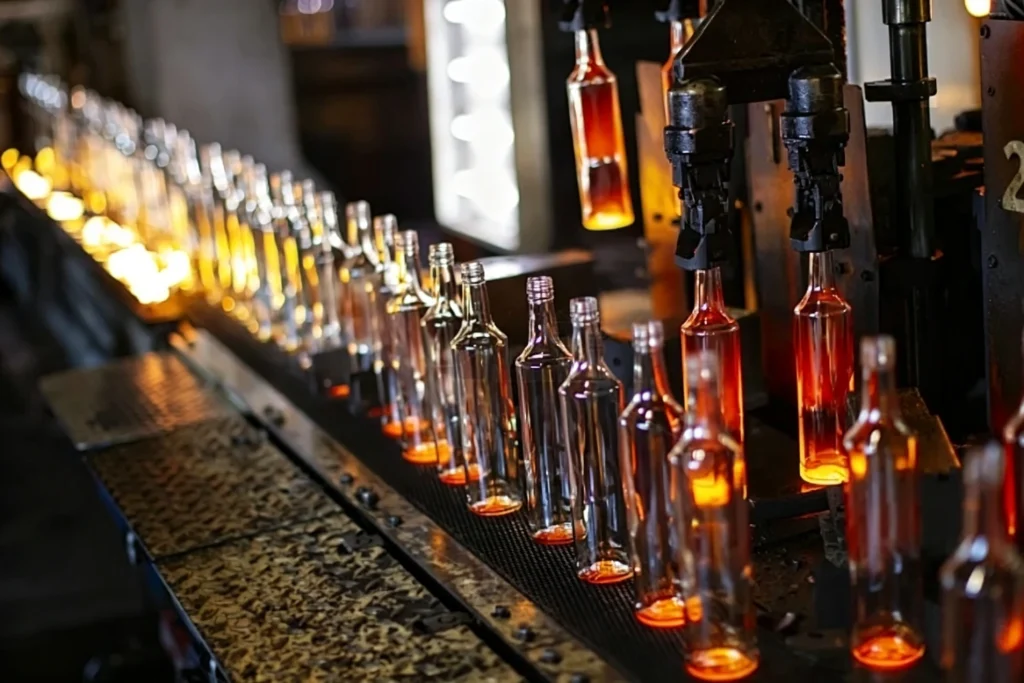
- Mass Production Molding: Utilizing automated IS (Individual Section) machines to blow or press the molten glass into its final form at scale.
- Quality Inspection: Passing every single batch through rigorous automated and manual optical inspections to guarantee zero defects before shipping out custom packaging orders to global markets.
Bespoke Labels and Glass Bottle Decoration Techniques
Custom Labels, Stickers, and Decals
Custom labels offer endless flexibility for shapes, textures, and visual styles. Pressure-sensitive labels and bespoke decals allow for intricate imagery and rich color gradients that catch the light perfectly. For high-end product lines, incorporating metallic foils or textured paper stocks creates an immediate tactile connection with consumers. For example, brands utilizing sleek clear round perfume bottles often rely on minimalist, high-contrast decals to maintain a clean, luxury aesthetic that lets the product quality speak for itself.
Screen Printing and Direct Glass Decoration
Direct glass decoration bypasses traditional paper labels for a seamless, ultra-premium look. Applied Ceramic Labeling (ACL) and silk screen printing fuse the design directly onto the glass surface.
- Durability: Resists moisture, scratching, and temperature changes.
- Aesthetic Appeal: Eliminates label edges for a modern, “no-label” look.
- Tactile Impact: Creates a raised texture that consumers can feel when holding the bottle.
Innovative Outer Packaging and Box Design
Glass bottle design does not stop at the glass itself; the unboxing experience is just as critical. Innovative outer packaging protects the structure while building anticipation.
| Packaging Type | Key Benefit | Best Used For |
|---|---|---|
| Rigid Presentation Boxes | Maximum protection & luxury feel | Limited editions, high-end spirits |
| Custom Die-Cut Cartons | Showcases bottle shape and color | Craft beverages, cosmetics |
| Eco-Friendly Kraft Sleeves | Highlights sustainability focus | Organic oils, artisanal brands |
Combining creative outer boxes with advanced glass bottle design techniques ensures the product stands out in a crowded global marketplace.
Choosing Stock vs Custom Glass Bottle Design for Bulk Orders
Not every launch needs a new mold. When you choose between catalog bottles and a unique product silhouette, weigh MOQ, lead time, and how much custom packaging differentiation your category demands.
| Approach | Best For | MOQ / Lead Time | Design Freedom |
|---|---|---|---|
| Stock glass containers | Fast launches, tight budgets, proven neck finishes | Lower MOQ · weeks | Label, color coating, bespoke labels |
| Custom mold design | Shelf-breaking silhouettes, proprietary 3D embossing | Higher MOQ · 3–6 months | Full shapes and sizes control |
| Hybrid (stock + decoration) | Seasonal SKUs, limited editions | Moderate MOQ | ACL screen print + outer box |
For OEM glass bottle programs, we map stock versus custom paths to your fill line, closure spec, and bulk volume before tooling spend. Structural limits still follow glass bottle wall thickness standard ranges for pressure and transit loads.[2]
Frequently Asked Questions About Glass Bottle Design
What Are the Key Parts of a Glass Bottle?
A standard glass bottle consists of several critical structural elements that impact both functionality and aesthetics:
- The Finish: The topmost part of the bottle that accommodates the closure (cork, screw cap, or crown).
- The Neck and Collar: The narrow section below the finish that controls pouring and handling.
- The Shoulder: The sloped transition area between the narrow neck and the wider body.
- The Body: The main, largest part of the bottle that holds the liquid and serves as the primary canvas for labeling or embossing.
- The Heel and Base: The bottom curve and foundation of the bottle. The base often features a punty mark or an indentation known as a punt to ensure stability and structural integrity.[1]
How Much Does a Custom Glass Bottle Design Cost?
The cost of creating a custom glass bottle design varies based on the complexity of the project and production volume. See our glass bottle manufacturing cost breakdown for mold and unit economics.
- Design and 3D Modeling: Initial structural concepts and digital rendering typically cost between $1,500 and $5,000.
- Physical Sampling and Molds: Developing a custom sample mold generally runs from $3,000 to $6,000.
- Mass Production Molds: Full-scale production molds for automated machinery can range from $10,000 to over $25,000.
Ordering bulk bottles significantly lowers the per-unit cost, making custom creation highly cost-effective for larger production runs.
What Is the Typical Timeline for Custom Bottle Production?
Bringing a bespoke glass bottle design from concept to the retail shelf generally takes between 3 to 6 months.
| Phase | Estimated Duration |
|---|---|
| Concept & 3D Modeling | 2 – 4 Weeks |
| Prototype & Sample Mold Creation | 3 – 5 Weeks |
| Sample Testing & Client Approval | 2 – 3 Weeks |
| Mass Mold Manufacturing | 4 – 6 Weeks |
| Mass Production & Quality Control | 3 – 5 Weeks |
Planning ahead is essential to account for shipping logistics and ensure your custom packaging is ready for product launch timelines.