Glass Jar Dimensions: Regular Mouth vs. Wide Mouth
Selecting the right glass container requires a clear understanding of dimensions, especially when comparing regular mouth versus wide mouth openings. The diameter of the jar opening impacts everything from filling efficiency to the consumer’s ease of access.
How to Determine Glass Jar Volume in Ounces, Milliliters, and Quarts
Accurate volume determination is critical for maintaining consistency across global product lines. Glass jar capacity is typically measured in fluid ounces (oz) for the US market, while milliliters (ml) serve international standards. For larger operations, measurements scale up to pints, quarts, and gallons.
To determine the true volume of a jar, use the liquid displacement method or fluid capacity metrics:
Fluid Ounces (oz): The standard commercial measurement for content weight and volume.
Milliliters (ml): Essential for international shipping compliance and global product labeling.
Quarts/Gallons: Used primarily for bulk storage, fermentation, and high-volume food service packaging.
A Step-by-Step Guide to Measuring Jar Heights and Neck Finishes
To ensure the perfect fit for lids and closure systems, you must measure the total height, outer diameter, and specific neck finish of the bottle. Neck finishes are designated by a two-number system, such as 70-450, where the first number represents the outer diameter in millimeters and the second indicates the thread style.
-
- Measure the Height: Run a caliper or ruler vertically from the flat base to the absolute top of the rim.
- Find the Outer Diameter (OD): Measure the widest part of the jar’s body to calculate shelf space and master carton fitting.
- Determine the Neck Finish: Measure the outer diameter of the neck threads to match the correct lid size.
- Check the Inner Diameter (ID): Measure the opening width to verify if your filling equipment nozzles will fit seamlessly.
Standard Jar Shapes and Style Variations for Packaging
The physical geometry of a jar influences its structural strength, labeling ease, and shelf presence. Different industries require specific shapes to optimize their production lines and branding.
| Jar Shape | Key Features | Best Used For |
|---|---|---|
| Round / Mason | High pressure resistance, classic look, wrap-around labeling | Canning, sauces, pickled goods, wholesale distribution |
| Square / French Square | Space-saving footprint, four flat panels for multi-labeling | Premium spices, extracts, high-end syrups |
| Hexagonal | Premium geometric aesthetic, excellent shelf-presence | Honey, artisanal jams, luxury cosmetics |
| Straight-Sided | No neck curve, equal diameter from top to bottom | Creams, cosmetics, easy-scoop food items |
Choosing the right combination of volume, dimensions, and shape ensures your product remains secure during transit while standing out on retail shelves worldwide.
The Ultimate Glass Jar Size Comparison Chart
Standard Capacity and Dimensions Overview
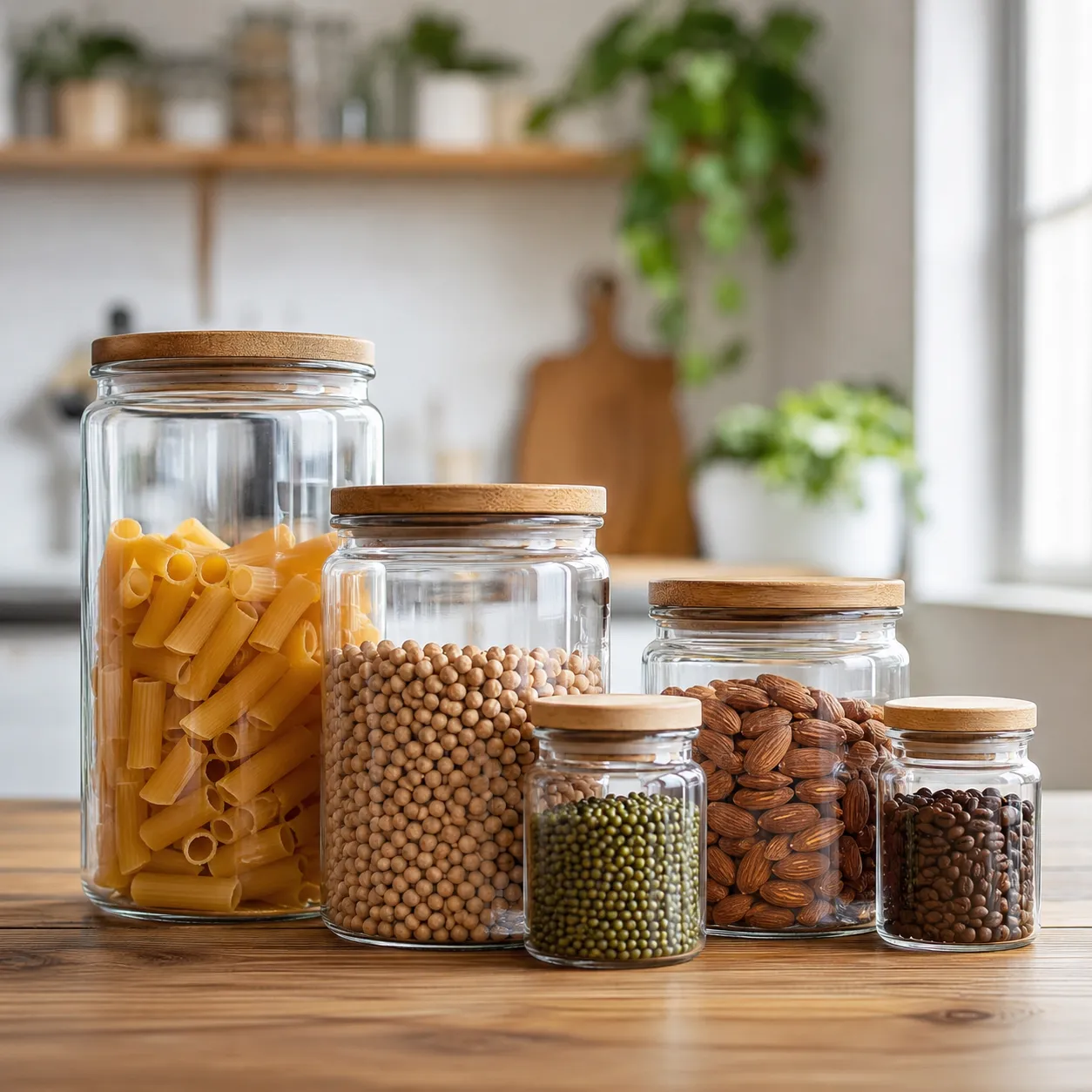
When exploring glass jar size options for your business or project, having a clear breakdown of dimensions makes all the difference. The outer diameter, inner diameter, and height dictate how a jar performs on automated filling lines and how it looks on retail shelves.
Understanding how the manufacturing process shapes these dimensions can help you choose the right fit for your product line. For a deeper look into how these containers are formed, you can read about the production process of glass bottles and glass jars.
Volume Conversions: Ounces, Pints, Quarts, and Gallons
Managing inventory across global markets requires a solid grasp of fluid ounces versus metric capacities. We manufacture all sizes of mason jar sizes to fit standard global metrics.
| Fluid Ounces (oz) | Metric Volume (ml) | Standard U.S. Customary Size | Common Commercial Application |
|---|---|---|---|
| 4 oz | 118 ml | Quarter-Pint | Best spice jars, luxury samples, cannabis |
| 8 oz | 236 ml | Half pint | Jams, jellies, tarts, cannabis flower |
| 12 oz | 355 ml | Three-Quarter Pint | Specialty sauces, honey, candles |
| 16 oz | 473 ml | Pint | Salsas, pickled vegetables, mayo |
| 32 oz | 946 ml | Quart | Bulk pickled goods, pasta sauces |
| 64 oz | 1892 ml | Half-Gallon | Kombucha, dry goods storage, ferments |
| 128 oz | 3785 ml | Gallon | Foodservice bulk storage, industrial |
Understanding Variations Across Different Brands
While capacity might be labeled the same across the industry, physical dimensions often vary by brand and style. A standard regular mouth jar from one supplier might have a slightly sleeker profile than a squat, wide mouth alternative from another.
-
- Mold Differences: Different glass bottles and jars utilize distinct mold blueprints, causing slight shifts in body diameter and height even if the fluid volume matches.
- Neck Finish Standards: Always check the exact GPI/GCMI neck finish code rather than relying on generic descriptions to ensure your lids seal perfectly.
- Glass Weight: Commercial-grade bulk ordering requires balancing glass thickness for durability with shipping weight constraints.
Categorizing Glass Jars by Mouth Size
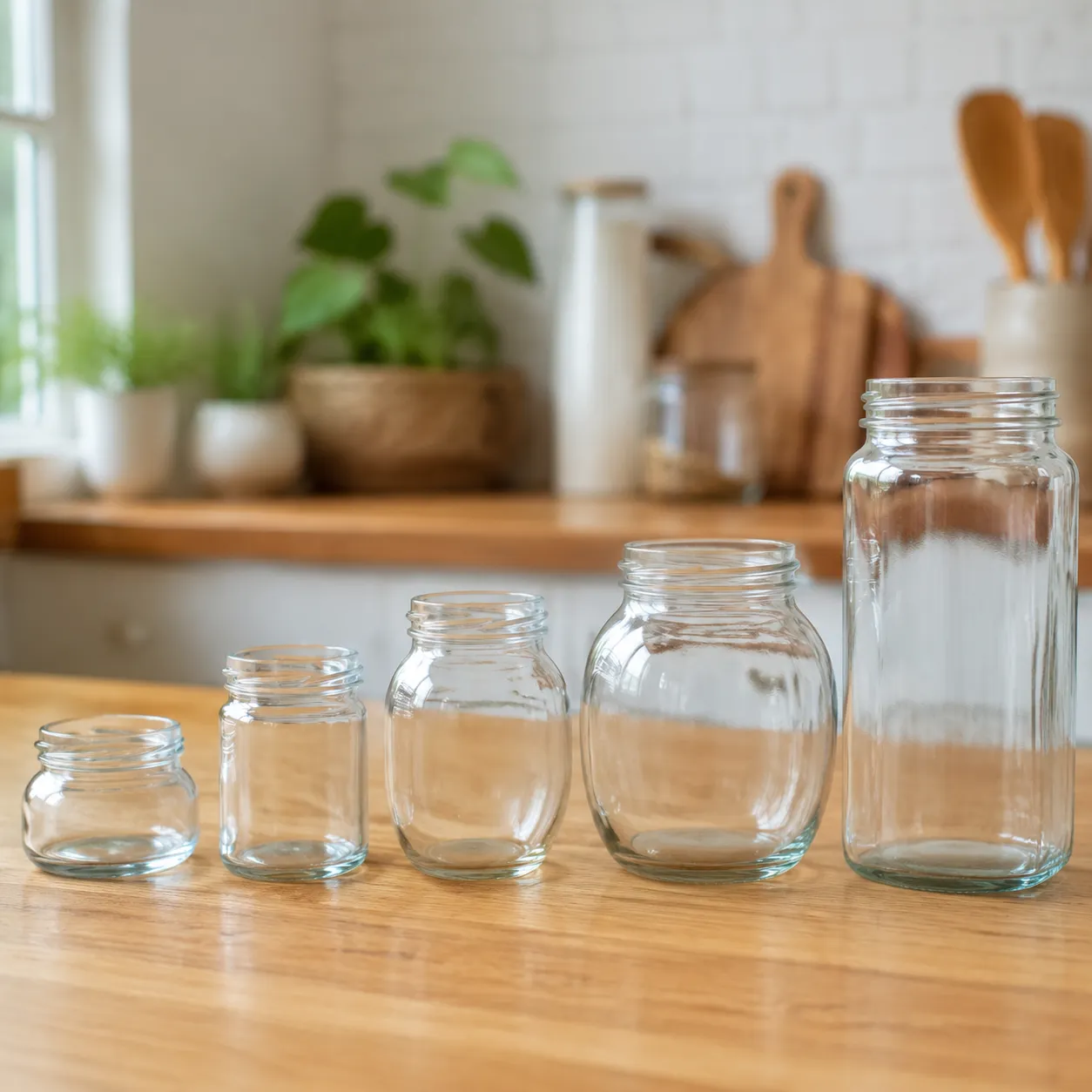
When exploring glass jar size options for your packaging or home projects, the opening of the jar is just as important as the total volume. As a premier glass jars manufacturer and supplier, we offer all sizes designed to fit diverse market needs. Choosing between different mouth sizes changes how a jar functions, how it looks, and how easy it is to fill.
Regular Mouth Jars vs. Wide Mouth Jars
The two standard choices in the industry are regular mouth and wide mouth openings.
-
- Regular Mouth: These jars feature a standard 2.75-inch (70 mm) outer diameter. The opening is slightly narrower than the body of the jar, creating a classic silhouette.
- Wide Mouth: These jars have a larger 3-inch (86 mm) inner diameter that runs straight down from the rim to the base without a bottleneck.
For a deeper dive into these specifications, you can read our comparison of wide mouth vs. regular mouth mason jars to see which style fits your project.
How Mouth Size Impacts Pouring and Cleaning
The dimensions of the jar opening directly affect daily usage, especially during filling and maintenance.
-
- Pouring and Filling: Regular mouth openings work perfectly for pourable liquids like syrups, sauces, and juices. Wide mouth variations are the go-to choice for whole fruits, dense pickles, and bulk food storage because you can pack items tightly without crushing them.
- Cleaning Ease: Wide mouth styles allow for effortless hand-washing since a standard sponge or hand fits right inside. Regular mouth types typically require a bottle brush to clean the inner shoulders properly.
Matching the Right Lids and Accessories
Getting a secure, airtight seal depends entirely on matching the correct neck finishes with the right lids. Wholesale buyers and local brands must ensure compliance between standard sizes and closure types to avoid leaks.
-
- Continuous Thread Lids: Standard metal or plastic screw-on bands that match the specific outer diameter of the glass thread.
- Two-Piece Canning Lids: Flat discs and metal bands used specifically for vacuum sealing during food preservation.
- Specialty Closures: From flip-tops to pumps, choosing the right opening ensures your accessories fit perfectly every time.
Small Glass Jar Sizes and Best Uses (4 oz to 12 oz)
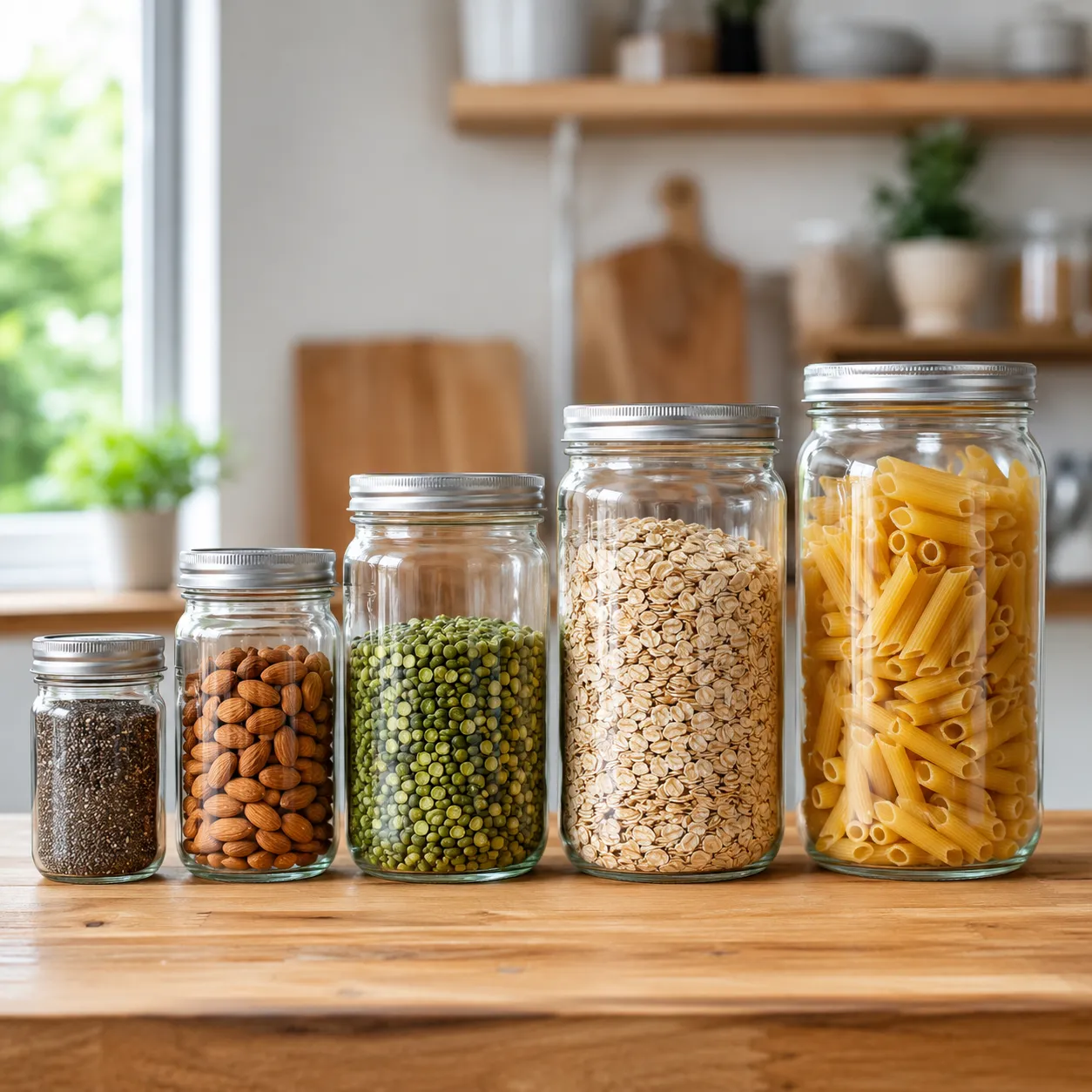
When you need compact packaging that balances functionality with aesthetic appeal, small mason jar sizes are the ultimate choice. We design these smaller capacities to handle everything from delicate culinary creations to premium retail sampling. Choosing the right volume ensures your products stay fresh while maximizing shelf space.
4 oz (Quarter-Pint) Jars for Spices and Jams
The 4 oz glass jar is a staple for high-density, high-value products. These compact containers serve as the best spice jars for both commercial kitchens and home organization, keeping herbs airtight and potent. They are also the standard choice for sample-sized gourmet jams, specialty herbs, and high-end cosmetics. For businesses looking to scale their retail presentation, sourcing these small glass candy jars in wholesale quantities offers a sleek, uniform look that immediately elevates brand value.
8 oz (Half-Pint) Jars for Jelly and Portion Control
The 8 oz half-pint jar is one of our most versatile standard sizes. It sits right in the sweet spot for single-serve packaging and precise portion control.
-
- Food Applications: Perfect for fruit jellies, custom spreads, dipping sauces, and baby food.
- Retail & Gifting: Highly popular for candle pouring, bath salts, and wedding favors.
- Design Options: Available in both regular mouth for traditional pouring and wide mouth for easy scooping.
12 oz Jars for Condiments and Small Crafts
The 12 oz glass jar bridges the gap between individual portions and bulk storage. This unique volume is highly sought after for artisan condiments like specialized chutneys, relishes, and premium honey. Beyond the kitchen, its taller dimensions make it a favorite for DIY small crafts, industrial hardware sorting, and customized retail gifts. Buying these bottles in bulk allows small businesses to streamline their inventory with a single, multi-purpose container size.
Medium Glass Jar Sizes and Best Uses (16 oz to 24 oz)
Medium glass jars are the true workhorses of both home kitchens and commercial packaging. Striking the perfect balance between capacity and portability, these mid-sized containers offer incredible versatility for food storage, beverage service, and retail displays.
16 oz (Pint) Jars for Salsas, Sauces, and Drinking
The 16 oz pint jar is arguably the most recognizable size in the entire glass packaging world. It serves as the go-to volume for a massive variety of everyday applications.
-
- Food Packaging: Ideal for housing moderate batches of salsas, pasta sauces, gravies, and pickled vegetables.
- Beverage Ware: Popularly used as rustic drinking glasses for iced tea, cold brew coffee, and cocktails in restaurants and cafes.
- Bulk Versatility: Available in both regular mouth and wide mouth styles, making filling and pouring incredibly straightforward.
For businesses looking to expand their product lines beyond food, this volume is also highly sought after in the candle industry. While classic canning shapes dominate the pantry, many brands utilize sleek, specialized containers like our 4oz round amber glass candle jars with aluminum lids to create cohesive, multi-size home fragrance collections alongside their 16 oz flagship products.
24 oz Jars for Pickling and Meal Prepping
When a standard pint is just a bit too small, but a quart feels overwhelming, the 24 oz glass jar steps in as the perfect intermediate size. It provides that extra bit of headroom needed for longer items and larger single-serving portions.
-
- Optimal Pickling: The elongated height is uniquely suited for preserving vertical foods like asparagus spears, whole green beans, and spear-cut dill pickles.
- Modern Meal Prepping: Highly favored for layered salad prepping, overnight oats, and storing large batches of healthy smoothies or protein shakes in the fridge.
- Efficient Inventory: Our wholesale inventory ensures you can choose all sizes required to scale your business, offering consistent outer diameter and neck finish dimensions for automated capping lines.
Large Glass Jar Sizes and Best Uses (32 oz to 128 oz)
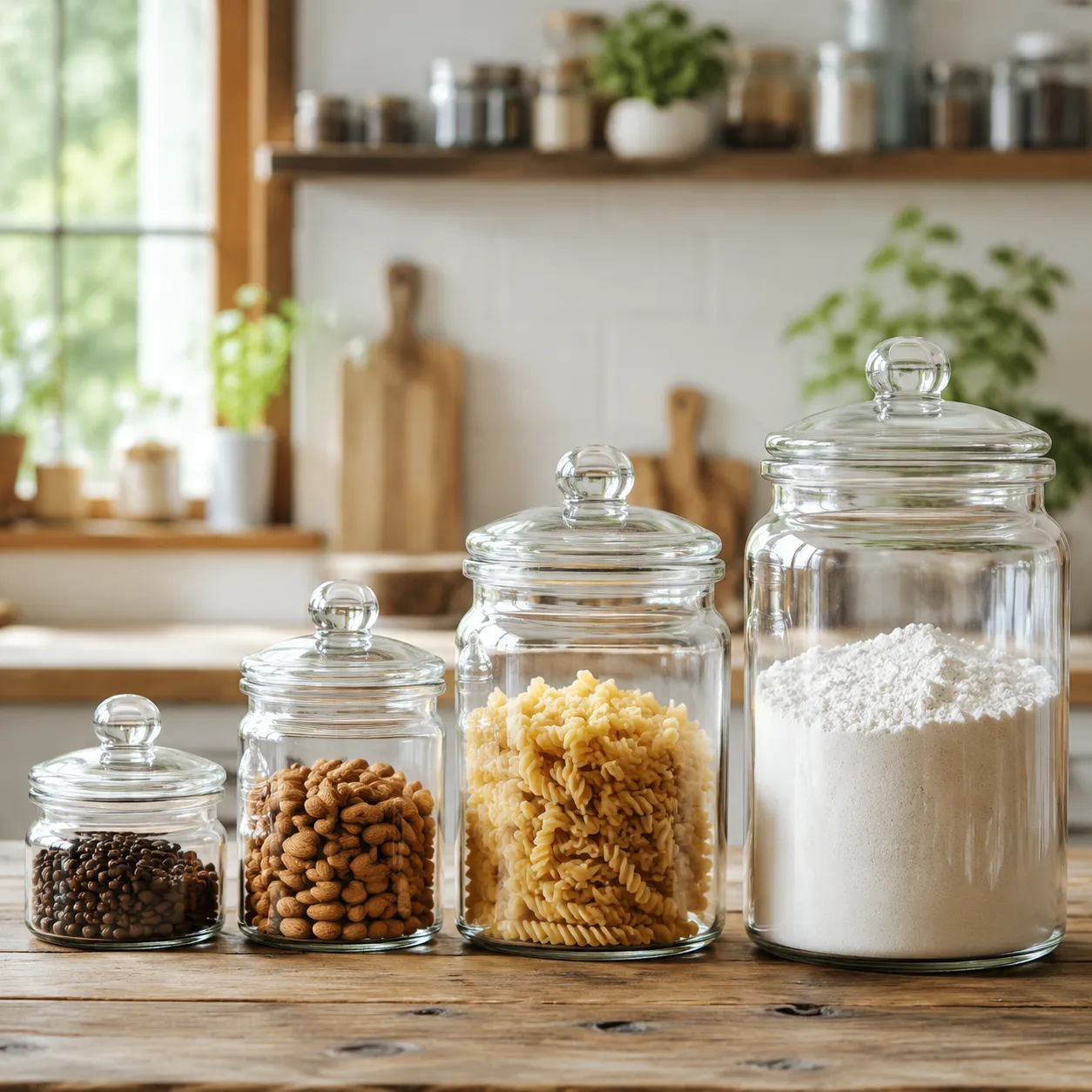
When you need to scale up your packaging or preservation, large glass jar sizes are the industry standard. As a premier glass jars manufacturer and supplier, we engineer these heavy-duty containers to handle everything from bulk pantry storage to industrial food production. Selecting the right volume and dimensions ensures your products stay fresh while maximizing shelf space.
32 oz (Quart) Jars for Bulk Food Preservation
The 32 oz quart jar is a staple for both home cooks and commercial brands. It provides the ideal volume for packing larger items that smaller bottles simply cannot accommodate.
-
- Best Uses: Pickled cucumbers, tomato sauces, sliced peaches, and pickled eggs.
- Dimensions: Typically stands around 6.9 inches tall with a standard regular mouth or wide mouth opening.
- Market Demand: Highly popular for wholesale distribution because it balances a substantial product capacity with manageable shipping weights.
64 oz (Half-Gallon) Jars for Dry Storage and Fermentation
Stepping up to the 64 oz half-gallon size allows for serious bulk storage and specialized culinary techniques. This size is highly favored for long-term kitchen organization and countertop displays.
-
- Fermentation Hub: The generous head space makes it the ultimate vessel for brewing kombucha, culturing kefir, or fermenting large batches of sauerkraut and kimchi.
- Dry Goods: Excellent for keeping flour, sugar, coffee beans, and pasta completely airtight and free from moisture.
- Organization: If you are upgrading your pantry aesthetics, utilizing these larger sizes alongside dedicated glass jars for food storage keeps your ingredients visible, organized, and perfectly preserved.
128 oz (Gallon) Jars for Commercial and Industrial Storage
The 128 oz gallon jar is the heavyweight champion of glass packaging. Built for high-volume capacity, these massive containers are essential for food service businesses, restaurants, and industrial applications.
-
- Commercial Utility: Perfect for bulk storage of condiments, brined olives, and mass-produced pickles in restaurant kitchens.
- Outer Diameter & Stability: Designed with a wide base and a large outer diameter to prevent tipping in busy commercial environments.
- Premium Presentation: These all-sizes giants also double as high-end display counters for bulk dry goods, snacks, or decorative inventory in retail spaces.
Exploring Glass Jar Size for Practical Application Scenarios
Canning and Food Preservation Standards
Choosing the right mason jar sizes ensures safe, long-term food preservation. High-heat processing requires durable, heat-resistant glass that adheres to standard capacities. When canning, regular mouth jars work best for pourable foods like syrups, sauces, and juices. Meanwhile, wide mouth jars are the industry standard for whole fruits, pickles, and chunky stews because they allow for easy packing and headspace measurement.
-
- Half-Pint (8 oz): Best for high-acid jellies, jams, and dipping sauces.
- Pint (16 oz): Perfect for salsas, relishes, and single-serving soups.
- Quart (32 oz): Ideal for sliced peaches, pickles, and bulk vegetable stocks.
Home Organization, Decor, and DIY Craft Projects
Beyond the kitchen, various glass jar dimensions offer functional storage and aesthetic solutions for everyday home organization. Clear glass improves visibility, making it simple to sort small items, dry goods, or craft supplies.
| Jar Size | Home Organization Use Case |
|---|---|
| 4 oz – 8 oz | Spice racks, bathroom cotton swabs, and DIY scented candles. |
| 16 oz – 32 oz | Pantry dry storage (beans, nuts, oats) and rustic flower vases. |
| 64 oz+ | Laundry detergent pods, bulk flour storage, and decorative terrariums. |
For those looking to elevate their home aesthetic or event decor, integrating specialized glassware like a cylinder glass vase alongside standard jars creates beautiful, tiered focal points for centerpieces.
Commercial Packaging and Small Business Usage
As a glass jars manufacturer and supplier, we understand that selecting the right container directly impacts your brand’s shelf presence and shipping efficiency. Businesses must balance volume requirements with outer diameter constraints to optimize pallet spacing and retail display.
Whether you need a specialized round or square glass food jar with a lock lid for premium honey and gourmet preserves, or standard wholesale bottles for local distribution, matching the correct neck finish to secure lids prevents leaks during transit. We offer all sizes in bulk to help small businesses scale their production while maintaining uniform packaging quality.
How to Select and Care for Your Glass Jars
Factors to Consider When Buying Glass Jars
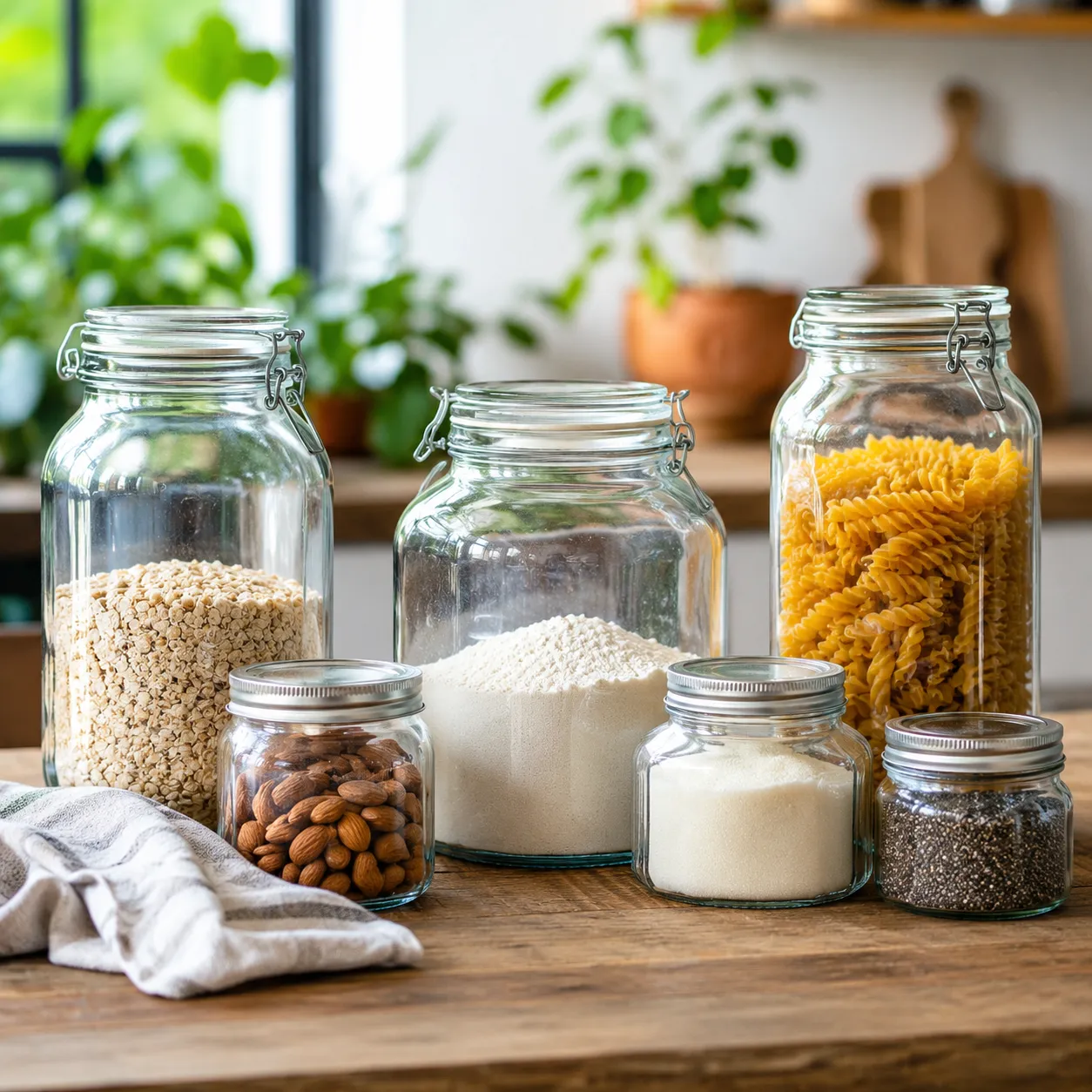
Choosing the right mason jar sizes and styles depends entirely on your specific application. We recommend evaluating several key metrics before purchasing in bulk or placing a wholesale order.
-
- Intended Application: Determine if you need specialized options like glass spice jars with wooden lid and spoon for dry storage, or heavy-duty bottles capable of withstanding high-heat pressure canning.
- Mouth Diameter: Decide between a regular mouth (ideal for pouring liquids) and a wide mouth (best for easy filling, cleaning, and larger food items).
- Dimensions and Capacity: Match the total volume (from a half pint up to a quart or gallon) to your shelf space and shipping constraints. Verify the exact outer diameter and inner diameter to ensure compatibility with your filling lines.
- Material Quality: Ensure you choose high-quality, thermal-shock-resistant glass that handles temperature fluctuations safely.
Cleaning, Sterilizing, and Maintenance Tips
Proper maintenance guarantees longevity and safety, whether you use these containers for commercial packaging or home food preservation. Follow these foundational rules to care for all sizes of glass inventory:
-
- Pre-Wash: Clean new or reused glassware in warm, soapy water to remove surface dust and manufacturing residues.
- Sterilization: For food preservation, submerge the containers in boiling water for at least 10 minutes. Avoid sudden temperature spikes to prevent thermal shock and cracking.
- Lid Care: Always hand-wash metal lids and bands. Ensure they are completely dry before storage to prevent rust. Wash gaskets and silicone rings separately to maintain an airtight seal.
- Storage: Store empty, clean containers without their lids fastened to prevent stale odors or moisture buildup inside the vessel.
Frequently Asked Questions About Glass Jar Sizes
Are Glass Jars Microwave and Freezer Safe?
Not all glass jars handle extreme temperatures the same way. Standard glass can shatter from thermal shock if heated or cooled too quickly. For freezing, always choose wide mouth jars with straight sides; jars with shoulders trap expanding liquids, causing the glass to crack. If you plan to microwave your jars, ensure they are made from tempered or borosilicate glass. Before putting any jar in the appliance, always check what type of glass are mason jars made of to confirm its safety and thermal limits. Never microwave metal lids or clip-top rings.
How Do I Know What Size Lid My Jar Needs?
Finding the right lid requires matching the outer diameter of the jar neck finish to the standard closure sizes. As a leading manufacturer, we classify most mason jar sizes into two standard options: regular mouth (2.75-inch/70mm outer diameter) and wide mouth (3.38-inch/86mm outer diameter). For unique shapes, like commercial bottles or hexagon styles, measure the inner diameter and outer threads with a caliper to find the exact millimeter match for wholesale closures.
Can I Reuse Commercial Glass Jars for Home Canning?
We do not recommend reusing commercial glass jars (like store-bought pasta sauce or mayo jars) for home canning. These single-use bottles are thinner than heavy-duty mason jars and have a much higher breakage rate in hot water baths or pressure canners. Furthermore, standard regular mouth lids rarely seal correctly on commercial neck finishes. Instead, save these commercial jars for dry food storage, DIY crafts, or spice organization where a vacuum seal is not required.