Glass Bottle Manufacturing Prices
While glass remains the gold standard for sustainability and brand perception, understanding the core drivers behind glass bottle manufacturing prices allows businesses to make informed, strategic sourcing decisions.
What Is the Average Cost to Manufacture a Glass Bottle?
The mass production cost of a standard glass bottle generally ranges from $0.10 to $1.50+ per unit. This wholesale price is highly variable and depends directly on several manufacturing factors:
| Bottle Category | Average Unit Price (USD) | Key Features |
|---|---|---|
| Standard/Stock | $0.10 – $0.40 | Common shapes, high availability, low MOQ |
| Premium/Spirit | $0.50 – $1.20 | Thicker bases, high clarity, custom engraving |
| Bespoke/Luxury | $1.50+ | Complex geometries, Super Flint glass, specialized finishes |
The Biggest Expenses in the Glass Manufacturing Process
The budget for producing a custom glass bottle is primarily consumed by three heavy-duty operational requirements:
- Thermal Energy: Melters and furnaces must run continuously at temperatures exceeding 1500°C ($2700°F$), making energy consumption the single largest ongoing operational expense.
- Raw Materials: Sourcing high-purity silica sand, soda ash, and limestone dictates the foundational material cost.
- Mold Design and Engineering: Precision-engineered steel or iron molds require significant upfront capital before the first production run even begins.
Glass vs. Plastic: A Cost-Benefit Analysis
Choosing between glass and plastic involves balancing upfront manufacturing expenses against long-term brand equity and environmental impact.
- Production Costs: Plastic (PET) features a lower initial production cost and cheaper shipping due to its lightweight nature. However, it lacks the premium weight and chemical inertness of the best glass bottle options.
- Sustainability & Market Value: Glass is infinitely recyclable without losing quality, aligning with global eco-friendly regulations and consumer preferences.
- Shelf Life & Protection: Glass offers a superior, non-permeable barrier that extends product shelf life and prevents chemical leaching, justifying its higher initial unit price for premium product lines.
Key Factors Affecting Glass Bottle Production Costs
Total production costs depend heavily on material choices, massive thermodynamic energy requirements, and the level of factory automation.
Raw Materials and Material Quality (Flint vs. Super Flint)
The specific type of glass composition directly dictates baseline material costs. For standard applications, regular flint glass offers an affordable, clear option suitable for everyday food and beverage containers. However, brands looking for premium clarity opt for super flint glass.
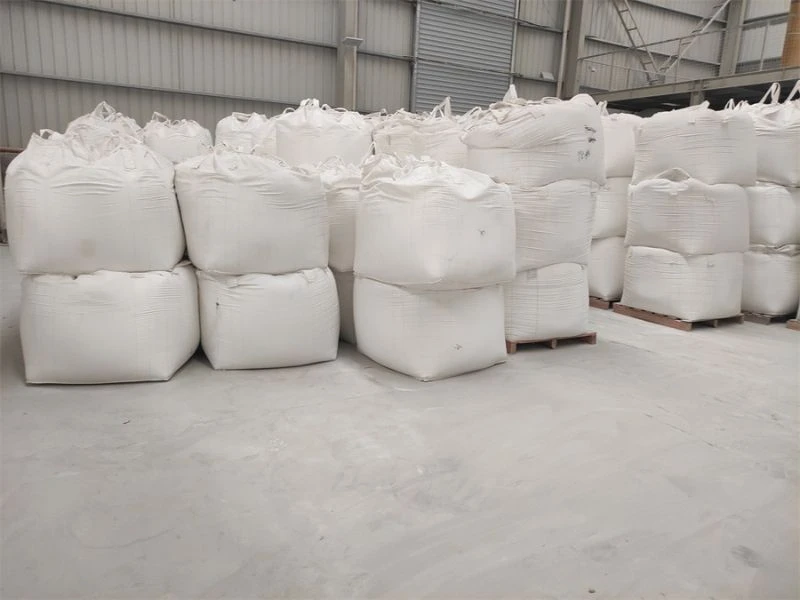
Super flint requires high-purity raw materials with exceptionally low iron content to eliminate the typical greenish tint found in standard glass. This premium material increases production costs due to the stricter quality controls and expensive ingredients required to achieve crystal-clear results.
Energy Consumption and Labor Costs
Glass manufacturing is an energy-intensive industry. Melting raw batch materials requires massive industrial furnaces to run continuously at temperatures exceeding 1,500°C.
- Energy Tariffs: Fluctuations in natural gas and electricity prices impact the final unit price of every bottle. Optimization of glass melting furnace technology is critical to reducing per-bottle fuel expenditures.
- Labor Expenses: While raw machine operators oversee lines, specialized glass blowers, mold maintenance technicians, and quality assurance staff add to the baseline labor overhead. Factories in regions with higher labor standards reflect these costs in their wholesale prices.
Production Methods and Technological Automation
The mechanism used to form the glass plays a definitive role in scaling your mass production cost. Modern facilities leverage automated Individual Section (IS) machines utilizing two primary methods:
| Production Method | Process Style | Best Used For | Cost Impact |
|---|---|---|---|
| Blow-and-Blow | Uses compressed air to form the internal cavity | Narrow-neck bottles (beer, wine, spirits) | Standard baseline pricing |
| Press-and-Blow | Uses a metal plunger to press the cavity first | Wide-mouth jars and precise finishes | Higher initial setup, high consistency |
Fully automated production lines utilize electronic inspection machines to scan for micro-cracks and cosmetic defects at high speeds. While advanced technological automation requires heavy initial capital investments, it drastically lowers long-term defect rates and labor costs during bulk production runs.
How Bottle Design and Customization Impact Pricing
Customized aesthetics elevate a brand, but they heavily influence final glass bottle manufacturing prices. Striking the right balance between unique branding and production efficiency is key to managing your budget.
Standard vs. Custom Mold Design and Development Costs
Choosing between standard and custom bottles is the first major cost fork in production.
- Standard Molds: Utilizing existing factory molds requires zero upfront development costs. This is the fastest, most economical route for startups and high-volume commodity products.
- Custom Molds: Creating a proprietary shape requires a custom mold design. Initial development costs for industrial steel or cast iron molds typically range from $3,000 to $8,000+ per set, depending on the machine type. However, for a premium product like our 30ml 50ml 100ml clear round perfume bottles with black lid, proprietary molds are what differentiate luxury brands on retail shelves.
Bottle Size, Shape, and Structural Complexity
A bottle’s physical geometry directly dictates the volume of raw materials used and the speed of the manufacturing line.
- Material Weight: Larger capacity bottles require more molten glass, pushing up the raw material cost per unit.
- Structural Complexity: Sharp angles, irregular curves, or non-cylindrical shapes are harder to blow uniformly. This structural complexity increases the defect rate during the cooling process, which subtly raises the mass production cost to offset rejected units.
- Distribution of Glass: Complex designs require precise, slower machine cycles to ensure outer walls maintain structural integrity without thin, fragile spots.
Decoration, Labeling, and Finishing Techniques
The base glass bottle is rarely the final stop. Post-production finishing techniques add distinct visual appeal but alter the final wholesale prices.
- Screen Printing & Labeling: Direct ceramic screen printing or precision labeling adds a clean, tactile feel directly onto the glass surface.
- Frosting & Spraying: Chemical frosting or color spraying can transform basic flint glass into an opaque, high-end vessel. For example, applying an amber or matte finish to a custom glass bottle changes its light-blocking properties and market positioning.
- Hot Stamping: Metallic foil accents provide a reflective, luxury finish but require specialized equipment and extra processing time, increasing the individual unit price.
Order Volume and Economies of Scale
When planning your budget, understanding how order volume dictates final glass bottle manufacturing prices is essential. In the glass industry, production volume is the single largest factor controlling your bottom line.
Minimum Order Quantities (MOQ) Explained
Glass manufacturing is a continuous, high-heat process. Because furnaces run 24/7, factories set a minimum order quantity (MOQ) to cover the massive energy and setup costs required to start a production line.
- Standard Bottles: MOQs usually range from 20,000 to 50,000 units.
- Custom Designs: Complex or custom shapes frequently require an MOQ of 100,000 units or more to justify the specialized mold installation.
Bulk Production vs. Small Manufacturing Runs
Choosing between small runs and bulk production comes down to upfront investment versus long-term value.
| Feature | Small Manufacturing Runs | Bulk Production |
|---|---|---|
| Setup Cost | High per unit | Distributed across volume |
| Machine Efficiency | Low (frequent stops/starts) | High (continuous operation) |
| Resource Waste | Higher material waste during calibration | Minimal waste |
| Best For | Market testing, limited editions | Established product lines |
Small runs face a disproportionate amount of downtime and mold-changeover costs. Continuous mass production cost models eliminate these inefficiencies, allowing the machinery to run at peak optimization.
Unit Pricing Variations Based on Volume
The rule of glass manufacturing is simple: as volume goes up, the unit price drops drastically.
The Scale Effect: Purchasing wholesale prices at a 100,000-unit tier can reduce your cost per bottle by up to 50% compared to a minimum baseline run of 20,000 bottles.
When you scale up to bulk production, the fixed costs of engineering, custom mold design, and machine setup are divided across hundreds of thousands of bottles, directly lowering your procurement spend. If you are sourcing comprehensive packaging solutions, maximizing your order volume is the fastest way to lower your overall financial risk. For specialized product lines, pairing your bottle orders with items like a 500ml amber glass lotion bottle with plastic/wooden cap helps streamline supply chains and optimize freight costs alongside your primary glass bottle production runs.
Additional Logistics and Compliance Expenses
The final **glass bottle manufacturing prices** involve more than just raw production. Safely moving fragile glass across the globe and meeting strict legal mandates play a massive role in your total bottom line.
Packaging and Transportation Protection Costs
Glass requires specialized, heavy-duty packaging to prevent breakage during transit. Standard bulk shipments rely on customized corrugated cells, plastic layers, and sturdy wooden pallets to secure the load. For example, when we ship a high-volume order of our round glass food jar with glass lid, specialized internal grid dividers are mandatory to absorb vibrations during sea freight and local trucking.
| Packaging Type | Protection Level | Impact on Unit Price |
|---|---|---|
| Bulk Palletization | Standard (Best for automated filling lines) | Lowest Cost |
| Custom Grid Cartons | High (Prevents glass-on-glass friction) | Moderate Cost Increase |
| Retail-Ready Packs | Maximum (Individual item safety) | Highest Cost |
Global Sourcing and Regional Cost Differences
Where your factory sits directly shapes your overall budget. Sourcing decisions usually come down to a tradeoff between factory floor savings and transport overhead:
- Domestic Production: Higher labor and energy costs, but offers minimal shipping fees, low risk of damage, and faster turnaround times.
- Overseas Sourcing: Drastically lower mass production costs balanced against international ocean freight, port tariffs, and extended transit windows.
Environmental Compliance and Sustainability Investments
Modern glass production must align with strict environmental laws. Factories face evolving regulations regarding carbon emissions and energy use. Companies invest heavily in cleaner-burning furnaces, filtration systems, and carbon offset initiatives. While these green compliance measures require upfront capital, they insulate brands from heavy non-compliance penalties and directly satisfy the rising global market demand for sustainable packaging.
Strategies for Cost-Effective Glass Bottle Sourcing
How to Optimize Bottle Design to Reduce Material Expenses
Smart design is the easiest way to control your glass bottle manufacturing prices. When we design custom bottles, reducing the weight of the glass—known as lightweighting—is our top priority. Shaving off a few millimeters of unnecessary thickness lowers your mass production cost without sacrificing structural integrity.
- Simplify the Shape: Stick to round or soft-cornered designs. Complex, angular shapes require more material and drive up mold design complexity.
- Standardize Necks: Use standard neck finishes so you can source stock closures rather than paying for custom cap tooling.
- Optimize Walls: Evenly distributed, thinner walls reduce raw material use and speed up production cycles.
Utilizing Recycled Materials for Cost Savings
Integrating cullet (recycled glass) into the production mix is a proven method to lower overall wholesale prices. Melting recycled glass requires significantly lower furnace temperatures than processing virgin raw materials like sand and soda ash.
- Lower Energy Consumption: Every 10% increase in cullet reduces energy costs by roughly 2.5% to 3%.
- Extended Mold Life: Lower operating temperatures reduce thermal shock, extending the lifespan of your expensive production molds.
- Eco-Friendly Marketing: Using recycled components helps your brand meet global sustainability standards while cutting your baseline production cost.
Tips for Choosing the Right Manufacturing and Shipping Partner
Your choice of a manufacturing partner directly impacts your final unit price and logistics smoothly. At Reihey, we combine advanced automation with strategic logistics to keep your total cost of ownership low. Whether you need an amber bottle for wellness products or a sleek lotion spray glass bottle with pump for cosmetics, finding a supplier that handles both production and strict quality control under one roof prevents costly defects.
To secure the best rates, look for a supplier that offers flexible minimum order quantity (MOQ) thresholds, allowing you to transition smoothly from test batches to full bulk production. Always vet your partner’s packaging materials and ocean freight networks; durable, space-optimized pallets prevent breakage and maximize container space, saving you thousands in unexpected shipping overhead.
Frequently Asked Questions About Glass Bottle Pricing
How Much Does It Cost to Create a Custom Glass Mold?
The mass production cost for a custom glass bottle always starts with the mold. A custom glass mold design and development process typically costs between $1,500 and $3,500 for sample molds, while full production multi-cavity molds can range from $10,000 to over $25,000 depending on design complexity.
| Mold Type | Average Cost Range (USD) | Best Used For |
|---|---|---|
| Sample / Test Mold | $1,500 – $3,500 | Prototype evaluation and physical testing |
| Multi-Cavity Production Mold | $10,000 – $25,000+ | High-volume wholesale prices and automated runs |
If you want to bypass these upfront engineering expenses entirely, choosing from our ready-made inventory—such as our wholesale clear swing top glass bottle for juice—allows you to launch with zero mold development fees.
Does Making Bottles with Recycled Glass Reduce Overall Costs?
Yes, but the real price savings depend on local infrastructure. Utilizing recycled glass (cullet) lowers the melting point in the furnace, which directly reduces energy consumption and extends furnace life.
- Energy Savings: Every 10% of recycled glass used cuts energy costs by roughly 2-3%.
- Material Quality Limits: High percentages of cullet are perfect for amber or green glass, but premium flint and super flint glass require pristine raw materials to maintain absolute clarity.
- Market Impact: While it stabilizes the unit price against raw material shortages, intensive sorting and cleaning processes mean recycled glass does not always result in a massive, immediate price drop for premium clear bottles.
Can Lighter Glass Options Substantially Lower Shipping Fees?
Absolutely. Lightweighting is one of the most effective strategies to control total logistics and glass bottle manufacturing prices. By optimizing the structural design to use less material without sacrificing strength, you gain a massive advantage in transit.
- Freight Savings: Reducing bottle weight by 10-15% directly translates to lower over-the-road and ocean freight charges.
- Higher Packing Efficiency: Lighter bottles allow you to pack more bulk units into a single shipping container before hitting legal weight limits.
- Reduced Packaging Materials: Lighter, optimized dimensions often require less heavy-duty dividers and protective outer cartons, cutting down secondary packaging expenses.