Are Mason Jars Microwave Safe?
Most modern glass Mason jars are microwave safe, but they require specific handling to ensure safety. While the glass itself is designed to withstand the high temperatures of the canning process, it is not immune to extreme temperature fluctuations. To heat food safely, you must ensure the jar is made of high-quality annealed glass and is free of any metal components.
Understanding Mason Jar Glass Composition
The majority of commercial canning jars, including those produced by major brands and our own Reihey professional-grade containers, are made from soda-lime glass. This glass undergoes an annealing process—a controlled slow cooling that relieves internal stresses—making it durable and heat-resistant.
| Glass Type | Microwave Suitability | Key Characteristics |
|---|---|---|
| Soda-Lime (Annealed) | Safe | Standard for canning jars; handles gradual heating. |
| Borosilicate | Excellent | Superior resistance to thermal shock; less common in jars. |
| Tempered Glass | Safe | Increased strength; designed to crumble if broken. |
How to Identify Microwave-Safe Symbols
Before placing any glass container in the microwave, verify its safety rating by checking the base of the jar for specific indicators:
- Wavy Line Icons: The universal symbol indicating the item is microwave-safe.
- Embossed Text: Look for “Microwave Safe” or “Heat Resistant” molded into the glass.
- Brand Reputation: Trusted canning jars from reputable manufacturers are generally engineered for high-heat environments, though they are not designed for “dry” heating without liquid or food inside.
The Difference Between Modern and Antique Jars
Age plays a critical role in glass stability. There is a significant safety gap between contemporary production and vintage collectibles:
- Modern Jars: Manufactured with consistent wall thickness and high-purity raw materials. They are built to withstand the rapid molecular vibration caused by microwave energy.
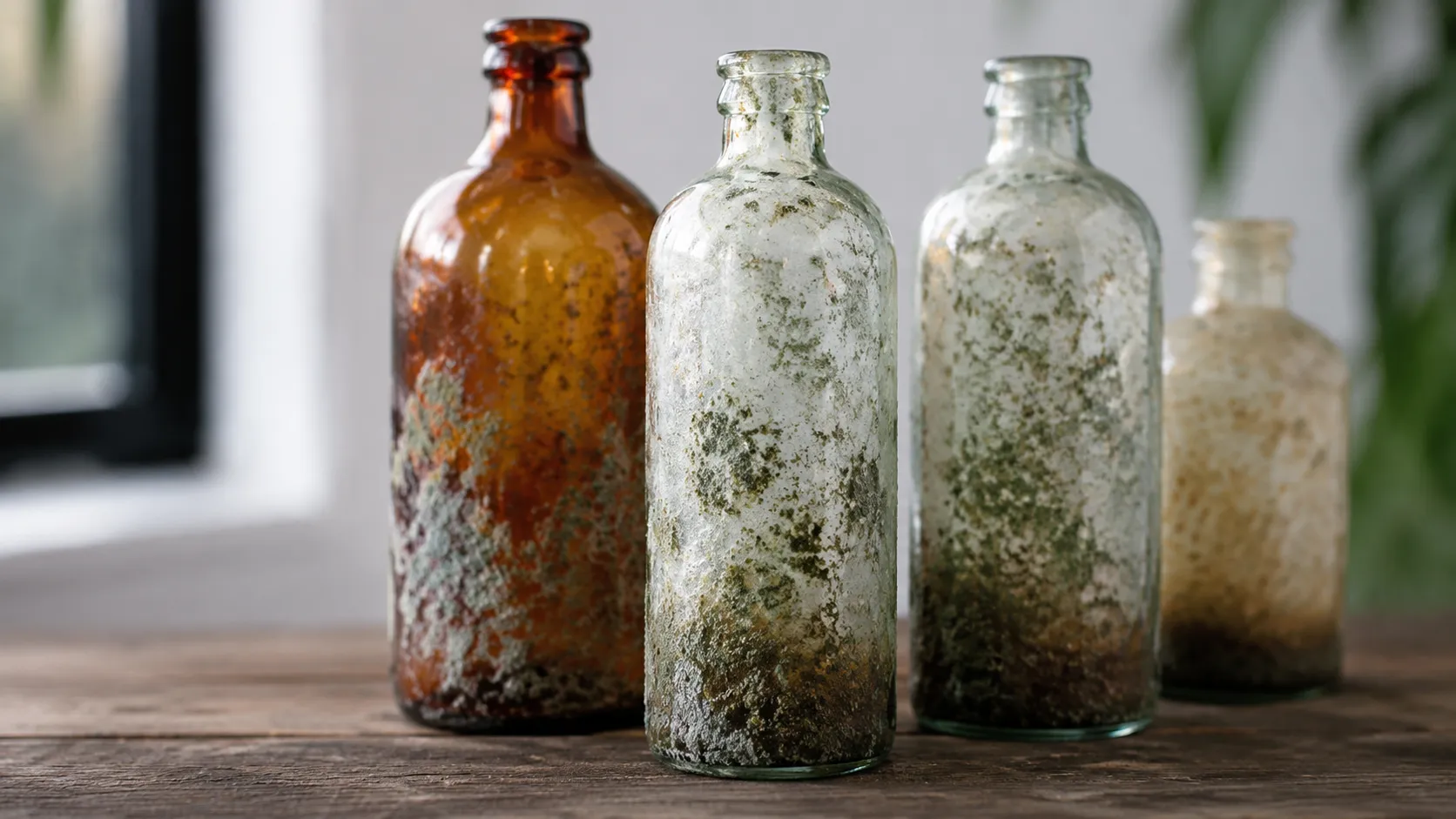
- Antique Jars: These should never be microwaved. Older glass often contains microscopic air bubbles, lead, or other impurities. Over decades, the glass can become brittle, significantly increasing the risk of thermal shock and explosive breakage during heating.
Essential Safety Steps Before Microwaving
When people ask us, “are mason jars microwave safe?”, our answer is always yes—but only if you prepare them correctly. Before you hit start on your microwave, you need to follow these mandatory safety checks.
Removing Metal Lids and Rings
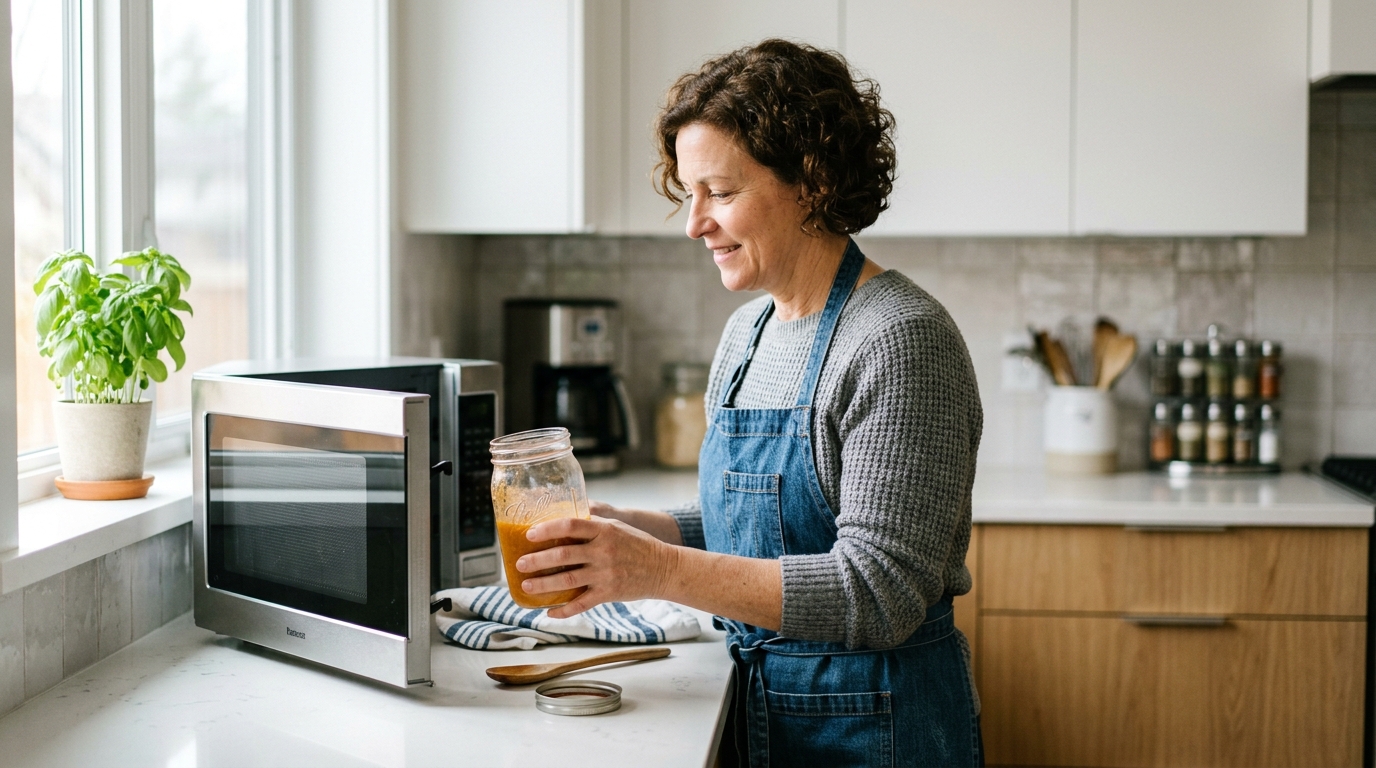
This is the absolute most critical rule: never put metal in the microwave. You must completely remove the metal lids and metal rings from your canning jars before heating. Microwaving metal causes arcing (sparks), which can easily destroy your microwave or start a fire in your kitchen. Whether you are reheating soup in a standard jar or softening crystallized honey in one of our square six-prism glass honey jars with lids, the metal components must stay on the counter.
Checking for Cracks, Chips, and Defects
Always inspect your glass containers before heating them. You need to look closely for any signs of wear and tear:
- Hairline cracks: Even the smallest, barely visible crack weakens the entire structure of the jar.
- Rim chips: Damage around the top edge makes the jar highly unstable under heat.
- Deep scratches: These act as dangerous stress points in the glass.
Heating a damaged jar drastically increases the risk of thermal shock. The rapid temperature change in the microwave will cause compromised glass to shatter instantly. If you spot any flaws, recycle the jar and grab a fresh one.
Allowing for Proper Headspace and Steam Venting
Liquids and dense foods expand as they heat up. If you fill a jar to the brim, the boiling contents will overflow, or worse, the pressure will cause the jar to break.
- Leave a one-inch gap: Always leave at least one inch of empty headspace at the top of the jar to allow for food expansion.
- Let the steam escape: Never seal a jar while microwaving. Trapped steam builds intense internal pressure that will cause even high-quality, heat-resistant glass to explode.
- Cover loosely: Instead of using a tight lid, place a paper towel, a microwave-safe silicone cover, or a loose glass plate over the top. This blocks messy splatters while letting hot steam vent safely into the microwave cavity.
Potential Risks and How to Prevent Them
When determining if are mason jars microwave safe, it is crucial to understand the physical limits of the glass. Knowing the specific risks helps you use your glass containers safely and effectively.
Avoiding Thermal Shock and Glass Breakage
Thermal shock happens when glass experiences a sudden, extreme change in temperature, causing it to expand or contract too quickly and shatter. Most standard canning jars are made from annealed glass rather than specialized heat-resistant glass.
- Never go from cold to hot: Do not take a jar directly from the fridge and place it straight into the microwave.
- Thaw completely: Let your cold jars sit on the counter until they reach room temperature before applying heat.
- Choose quality containers: Whether you are using standard utility jars or our premium 5-16oz round vertical stripe wide mouth glass mason jar, always handle wholesale glass jars with care during temperature transitions to prevent unexpected breakage.
Managing Pressure Build-up During Heating
Microwaves heat the moisture inside your food, rapidly generating steam. If this steam cannot escape, the internal pressure will spike, turning a simple reheating task into a dangerous situation.
- Remove all closures: Never leave metal lids or bands on the jar. Metal sparks in the microwave, and a sealed lid traps expanding steam, which can cause the jar to explode.
- Vent properly: If you need to cover the jar to prevent messy splatters, simply drape a loose paper towel or place a microwave-safe venting lid loosely on top.
Handling High-Fat and High-Sugar Foods Safely
Foods with high fat content (like cheese, oils, or heavy creams) or high sugar content (like syrups or jams) heat up much faster and reach significantly higher temperatures than water-based foods.
- Beware of hot spots: Dense, fatty, or sugary foods create concentrated pockets of extreme heat. This intense heat transfers directly to the glass walls, which can cause structural failure.
- Heat in short bursts: Warm these specific types of foods in 20 to 30-second intervals rather than a continuous long cycle.
- Stir frequently: Pausing the microwave to stir the contents distributes the heat evenly, protecting both your meal and the integrity of the glass.
Step-by-Step Guide to Microwaving Mason Jars
When customers ask us, “are mason jars microwave safe,” our answer always comes with a caveat: it depends entirely on your heating method. Following a safe, step-by-step process ensures your food gets hot while your jar stays intact.
Using Gradual Heating Intervals
Blasting a cold jar on high power for several minutes is a recipe for disaster. To protect your glass containers from thermal shock, you must heat them gradually.
- Start low and slow: Set your microwave to medium power (around 50% to 70%).
- Use short bursts: Heat the jar in 30 to 60-second intervals.
- Let it rest: Give the annealed glass a few seconds to adjust to the temperature change between intervals before heating it again.
Stirring Contents for Even Heat Distribution
Microwaves are notorious for heating food unevenly, creating dangerous hot spots. After every heating interval, pause the microwave and stir the contents thoroughly. This distributes the heat evenly throughout the food and the glass, preventing sudden internal pressure spikes. Whether you are warming up a thick soup in standard canning jars or melting chocolate in a vintage glass candy jar with lid, stirring is a mandatory step to keep the glass from fracturing.
Safe Handling with Oven Mitts and Towels
Even heat-resistant glass absorbs a massive amount of thermal energy. The jar will be incredibly hot to the touch once the microwave stops.
- Always use oven mitts: Never grab a freshly microwaved jar with your bare hands. Use thick, dry oven mitts or a heavy-duty silicone potholder.
- Use a landing pad: Set the hot jar down on a dry dish towel, a silicone mat, or a wooden cutting board. Placing a hot jar directly on a cold granite or quartz countertop will cause instant thermal shock, shattering the glass instantly.
- Beware of steam: Keep the jar away from your face when stirring or moving it. Steam builds up quickly and can cause severe burns if you lean directly over the opening.
Mason Jar Safety in Other Kitchen Appliances
While we frequently address the question of whether are mason jars microwave safe, it is equally important to understand how these versatile glass containers perform in other everyday kitchen appliances. As a Glass Mason Jars manufacturer and supplier (Reihey), we know exactly what our products can and cannot handle.
Are Mason Jars Dishwasher Safe?
Yes, standard canning jars are generally dishwasher safe. The annealed glass used in modern jars, including those from the Ball brand, is built to withstand the high temperatures of a standard dishwasher cycle.
Dishwasher Safety Tips:
- Glass goes anywhere: You can place the glass jars on either the top or bottom rack.
- Handwash metal parts: Always keep metal lids and rings out of the dishwasher to prevent premature rusting and degradation.
- Protect decorative glass: If you are washing specialty items like a glass candy jar with cover, hand washing is highly recommended to preserve the exterior finish and structural integrity.
Can You Put Mason Jars in the Oven?
No, you should never put standard mason jars in the oven. Most wholesale glass jars are not made of tempered, heat-resistant glass designed for dry, ambient heat.
- The Danger of Dry Heat: Ovens create uneven heating environments.
- Risk of Shattering: Exposing standard annealed glass to dry oven heat drastically increases the risk of thermal shock, causing the jar to explode or shatter completely.
- Stick to Wet Heat: Mason jars are designed for the wet, even heat of water-bath or pressure canning, not baking.
Guidelines for Safely Freezing Mason Jars
Many mason jars are freezer safe, but you must follow strict guidelines to prevent a messy disaster. Because liquids expand when frozen, improper freezing techniques will break the glass.
Freezing Checklist:
- Choose straight-sided jars: Only freeze in jars that have straight sides from bottom to top. Jars with “shoulders” (curved tops) restrict upward expansion and will crack.
- Leave proper headspace: Always leave at least one inch of empty space at the top of the jar to allow the contents room to expand.
- Cool completely first: Never place a warm or hot jar directly into the freezing cold. Let the contents cool in the fridge first to completely avoid thermal shock.
Common Misconceptions and Safety Myths
There is a lot of conflicting information online about whether Mason jars are microwave safe. To keep your kitchen safe, it is vital to separate marketing myths from the actual science of glass manufacturing.
Myth vs. Reality: Borosilicate vs. Soda-Lime Glass
A common misconception is that all heat-resistant glass is borosilicate. In reality, most modern canning jars, including major brands and the products we provide as a glass cocktail cup manufacturer, are made of annealed soda-lime glass.
- Borosilicate Glass: Highly resistant to thermal shock but rarely used for standard Mason jars due to higher production costs.
- Soda-Lime Glass: The industry standard for canning. It is durable and microwave-safe, but it has a higher thermal expansion coefficient, meaning it is more susceptible to breaking if exposed to extreme, sudden temperature swings.
For more information about Borosilicate vs. Soda-Lime Glass, please read: Borosilicate Glass vs Soda Lime Key Differences and Uses
Why Some Glass Jars Explode in the Microwave
When a Mason jar “explodes” in the microwave, it is rarely a random event. It usually stems from one of three issues:
- Thermal Shock: Placing a cold jar directly from the fridge into a high-wattage microwave causes the glass to expand at different rates, leading to a fracture.
- Internal Pressure: Heating a jar with the lid on (even loosely) can trap steam. As pressure builds, the glass reaches its breaking point.
- Micro-Cracks: Small, invisible chips or scratches from metal spoons or previous drops weaken the annealed glass structure, causing it to fail under heat.
Safety of Colored and Decorative Mason Jars
Not all glass is created equal when it comes to aesthetics. While standard clear jars are generally safe, decorative options require extra scrutiny:
- Infused Color: Glass that is colored throughout the batch is typically safe for microwave use.
- Painted or Coated Glass: Many decorative jars feature a sprayed-on finish. These coatings can bubble, peel, or release fumes when heated.
- Metallic Accents: Any jar with gold leaf, silver trim, or metallic paint will spark and cause a fire hazard in the microwave.
For everyday reheating, stick to clear, non-decorated glass containers that are specifically labeled for heat applications to ensure long-term durability and safety.
Safe Alternatives for Reheating Food
When you are wondering are mason jars microwave safe, the answer involves a lot of careful handling and temperature management. If you want to skip the worry of thermal shock altogether, having reliable alternatives in your kitchen is a smart move. As a Glass Mason Jars manufacturer and supplier (Reihey), we know that while our glass containers are incredibly versatile for storage, certain reheating jobs call for different tools built specifically for high-stress environments.
Microwave-Safe Tempered Glass Containers
Standard canning jars are typically made from annealed glass. This material is excellent for preserving and storing food, but it can be sensitive to sudden temperature shifts. For heavy-duty reheating, tempered glass is the superior choice.
- Built for extreme heat: Tempered glass is manufactured to be true heat-resistant glass, making it far less likely to shatter under the rapid heating of a microwave.
- Clear safety labeling: Always check the bottom of your container for the official microwave-safe symbol before you begin heating your meals.
While we highly recommend the aesthetic and functionality of a classic 4-22oz diamond glass mason jar with silver metal seal lid for cold storage, pantry organization, and meal prep, transferring your food to a dedicated tempered dish for long microwave sessions provides total peace of mind.
BPA-Free Plastic and Silicone Alternatives
If you need something lightweight, shatterproof, and easy to transport, modern plastics and silicone are solid backups to traditional wholesale glass jars.
- Food-grade silicone: Silicone bowls and containers handle high heat effortlessly. They will never crack, melt, or shatter in the microwave.
- Microwave-rated plastics: If you opt for plastic, ensure it is explicitly labeled as BPA-free and features the microwave-safe symbol to prevent harmful chemicals from leaching into your food.
Keep in mind that while these materials offer unmatched convenience, glass containers remain the top choice for retaining pure food flavor, preventing lingering odors, and avoiding stubborn tomato stains.
Traditional Stovetop and Oven Reheating
Sometimes the best alternative to the microwave is stepping away from it entirely. Traditional reheating methods give you precise control over the temperature, drastically reducing the risk of damaging your food or your cookware.
- The double boiler method: Place your food in a heat-safe bowl over a pot of gently simmering water. This indirect heat is perfect for delicate sauces, chocolate, and thick soups.
- Direct stovetop simmering: Simply transfer the contents of your jar directly into a saucepan. It takes a few extra minutes but ensures perfectly even heating without the cold spots microwaves often leave behind.
- Oven reheating: If you prefer using the oven, ensure your baking dish is explicitly rated for oven use. Most standard mason jars are not designed to withstand the dry, intense, and prolonged heat of an oven environment.
Frequently Asked Questions
As a trusted manufacturer of glass containers, we receive plenty of questions regarding daily usage and whether are mason jars microwave safe. Here are the most common inquiries we handle.
Can I pour boiling water into a cold Mason jar?
Absolutely not. Pouring boiling water directly into a cold jar is a guaranteed way to cause thermal shock. Most standard canning jars are made from annealed glass, which expands and contracts unevenly under sudden temperature changes, leading to immediate cracking or shattering. If you need a container that handles extreme temperature shifts better, we highly recommend using borosilicate glass airtight food jars instead, as heat-resistant glass is specifically designed to withstand rapid thermal changes without breaking.
How long can you safely microwave a Mason jar?
There is no single magic number, but the rule of thumb is to keep heating times short and controlled.
- Maximum time: Do not exceed 1 to 2 minutes of continuous heating.
- Interval heating: Microwave your food or liquids in 30-second bursts.
- Stirring: Stop and stir the contents after each interval to prevent localized hot spots that can stress the glass.
- Verification: Always double-check the bottom of the jar for a microwave-safe symbol before you hit start.
What should I do if my jar is stuck in the microwave?
If your jar becomes stuck or suctioned to the microwave turntable, do not force it or yank it out. This usually happens when a vacuum forms from improper venting or spilled sticky liquids.
- Let it cool: Turn off the microwave and allow the glass to cool down completely to room temperature.
- Release pressure: If you accidentally left a microwave-safe cover on, gently lift the edge to break the vacuum seal once it is safe to touch.
- Prevention: Always remove metal lids and rings entirely before heating, and ensure there is plenty of headspace for steam to escape naturally.