To purchase high-quality wholesale glass jars and bottles, you must first understand the glass melting process. The right glass melting furnace technology guarantees unmatched durability, brilliant clarity, and structural integrity for your products.
In this post, you’re going to learn exactly how raw materials transform into a flawless liquid state, the differences between continuous and electric furnaces, and how advanced thermal conditioning impacts your bottom line.
-
Continuous vs. Electric Infrastructure: Balancing massive volume demands with eco-friendly, sustainable glass production.
-
The Science of a Flawless Melt: How extreme thermal homogeneity and advanced refractory linings eliminate critical glass defects.
-
Conditioning & Annealing Mastery: The precise cooling techniques in industrial lehrs that erase internal thermal stress.
-
The B2B Buyer’s Edge: What to look for in a manufacturer’s furnace technology to safeguard your bottom line.
Core Types of Glass Melting Furnace Technology
The foundation of reliable wholesale glass packaging manufacturing lies in the equipment used to transition raw materials into a pristine liquid state. Achieving optimal thermal efficiency in glassmaking requires the right setup.
Continuous vs. Discontinuous Furnaces
Selecting the correct industrial glass melting infrastructure dictates output capacity and product consistency.
- Continuous Furnaces: Engineered for uninterrupted, 24/7 operation. These systems are the backbone of large-scale container glass production. They maintain a constant output, allowing us to manufacture heavy volumes of wholesale Glass Mason Jars and bulk bottles without compromising thermal stability.
- Discontinuous Furnaces: Often referred to as “day tanks.” These specialized kilns are used for small-batch, custom glass compositions that require frequent recipe changes or highly specific melting profiles.
Electric Furnaces vs. Natural Gas
Balancing high-yield output with sustainable glass production means optimizing the energy source powering the melt.
| Energy Source | Key Advantages | Production Focus |
|---|---|---|
| Natural Gas | Exceptional thermal efficiency and rapid melting capabilities. | Traditional, high-volume industrial glass melting. |
| Electric Furnaces | Pinpoint temperature control and strict emission control. | Sustainable, precision-driven commercial production. |
By carefully matching energy sources to specific production lines, we ensure every batch of raw materials is melted with absolute precision, securing the structural integrity of your bulk glass orders right from the start.
The Science of the Melt in Glass Melting Furnace Technology
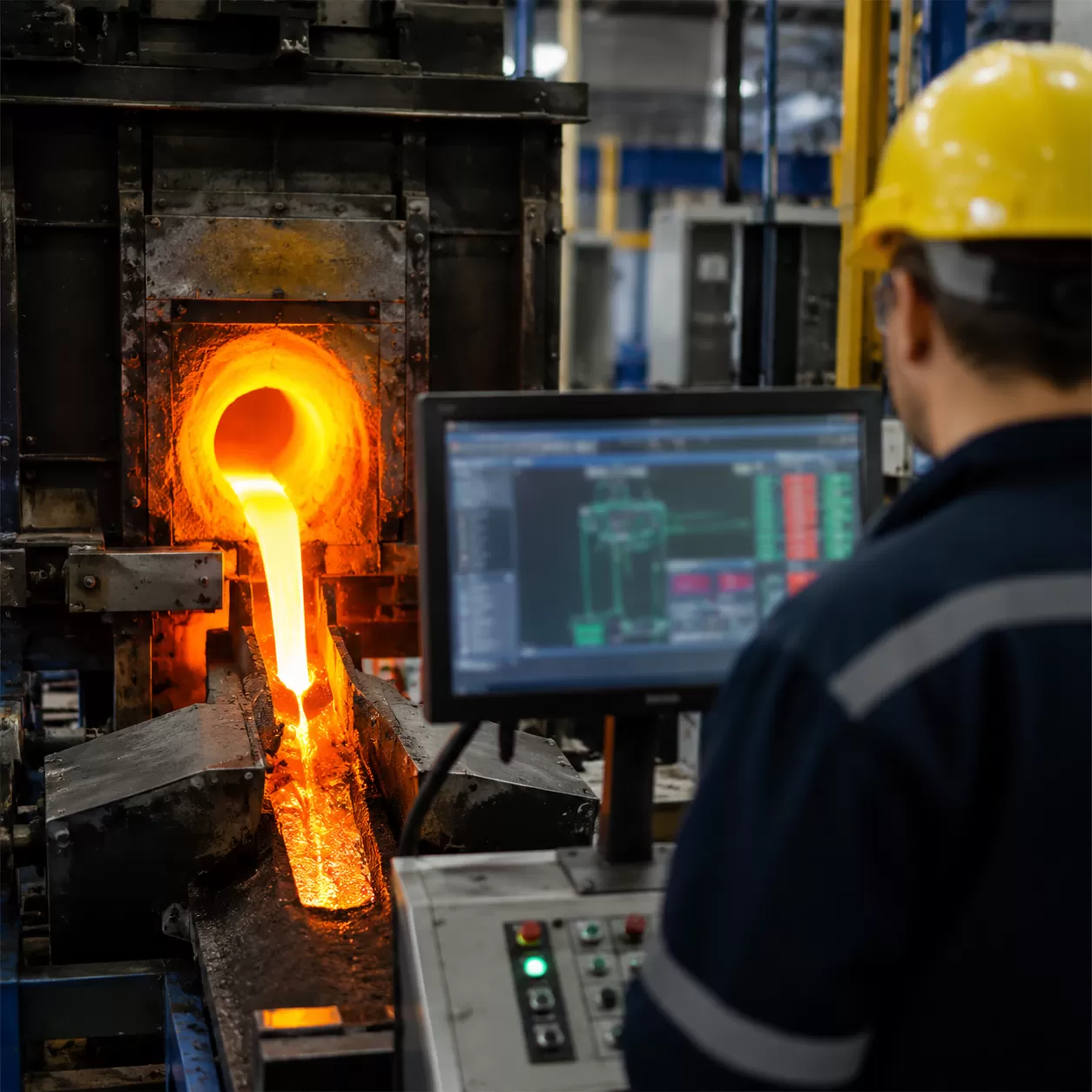
Achieving the perfect melt requires absolute control over temperature and chemistry. At the core of the glass manufacturing process, we bring raw materials to an extreme liquid state, demanding precision at every stage to ensure a flawless final product.
- Optimal Melting Temperatures: We push our furnaces to hit strict melting points ranging from 1,400 to 1,600 degrees Celsius. This intense, sustained heat is mandatory for reliable industrial glass melting.
- Thermal Homogeneity: Managing complex glass compositions isn’t just about applying heat; it is about keeping that heat perfectly even. Maintaining strict thermal homogeneity controls the glass viscosity and conditioning. This consistency prevents weak spots, which is absolutely vital when forming heavy-duty container glass production runs, such as a thick-walled 64oz wide mouth glass jar with airtight metal lid.
- The Fritting Process: For specific industrial applications, we rely on fritting. Forming glass frit involves pre-melting certain raw materials and rapidly cooling them. This step stabilizes volatile chemical mixes before they enter the main furnace, giving us precise control over the final glass composition.
- Advanced Refractory Materials: Molten glass contains highly corrosive elements that actively eat away at standard furnace walls. To prevent furnace degradation and product contamination, our commercial glass kilns are built with advanced refractory materials. These highly specialized linings withstand the extreme chemical attacks of the melt, keeping our wholesale glass packaging manufacturing pure and structurally sound.
Glass Melting Furnace Technology: Conditioning and Annealing
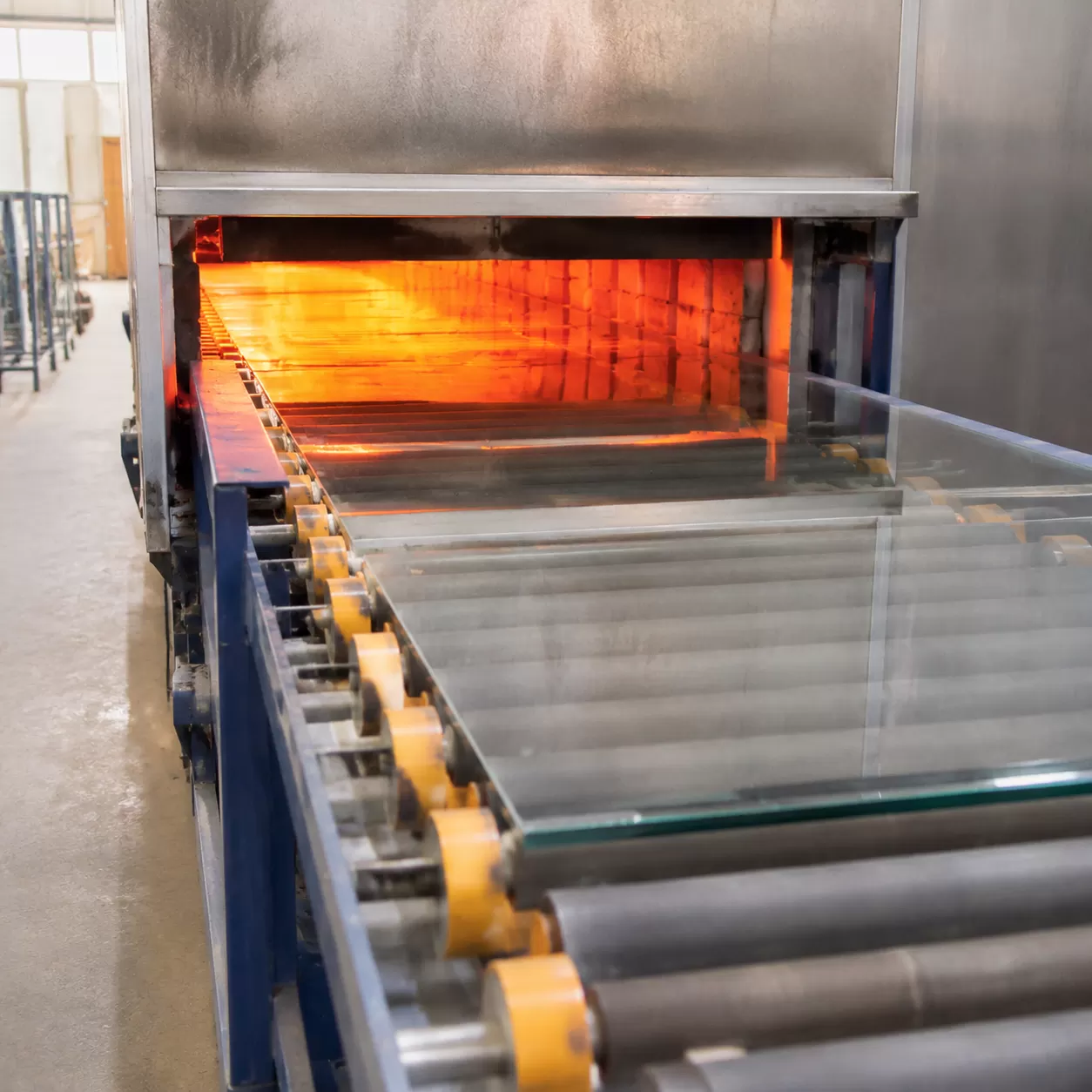
Once raw materials reach a liquid state and exit the melt, the job is far from done. The mechanical transition from the intense heat of the furnace to the glass forming process requires absolute precision to manage glass viscosity and conditioning.
The sudden drop in temperature naturally creates extreme thermal stress in glass. To solve this, newly formed containers immediately pass through specialized industrial ovens known as lehrs.
The critical role of our annealing ovens includes:
- Controlled Cooling: Slowly and steadily lowering the temperature to safely relieve internal glass stresses.
- Preventing Breakage: Eliminating invisible weak points that cause glass to crack, chip, or shatter under regular use.
- Ensuring Structural Integrity: Guaranteeing maximum durability across our entire container glass production line.
Whether we are manufacturing thick-walled sloping shoulder glass cream jars for wholesale cosmetic brands or everyday glass food storage containers, this rigorous annealing phase ensures every glass bottle and jar leaves our facility structurally sound and ready for the global market.
How Furnace Technology Impacts Glass Packaging Quality
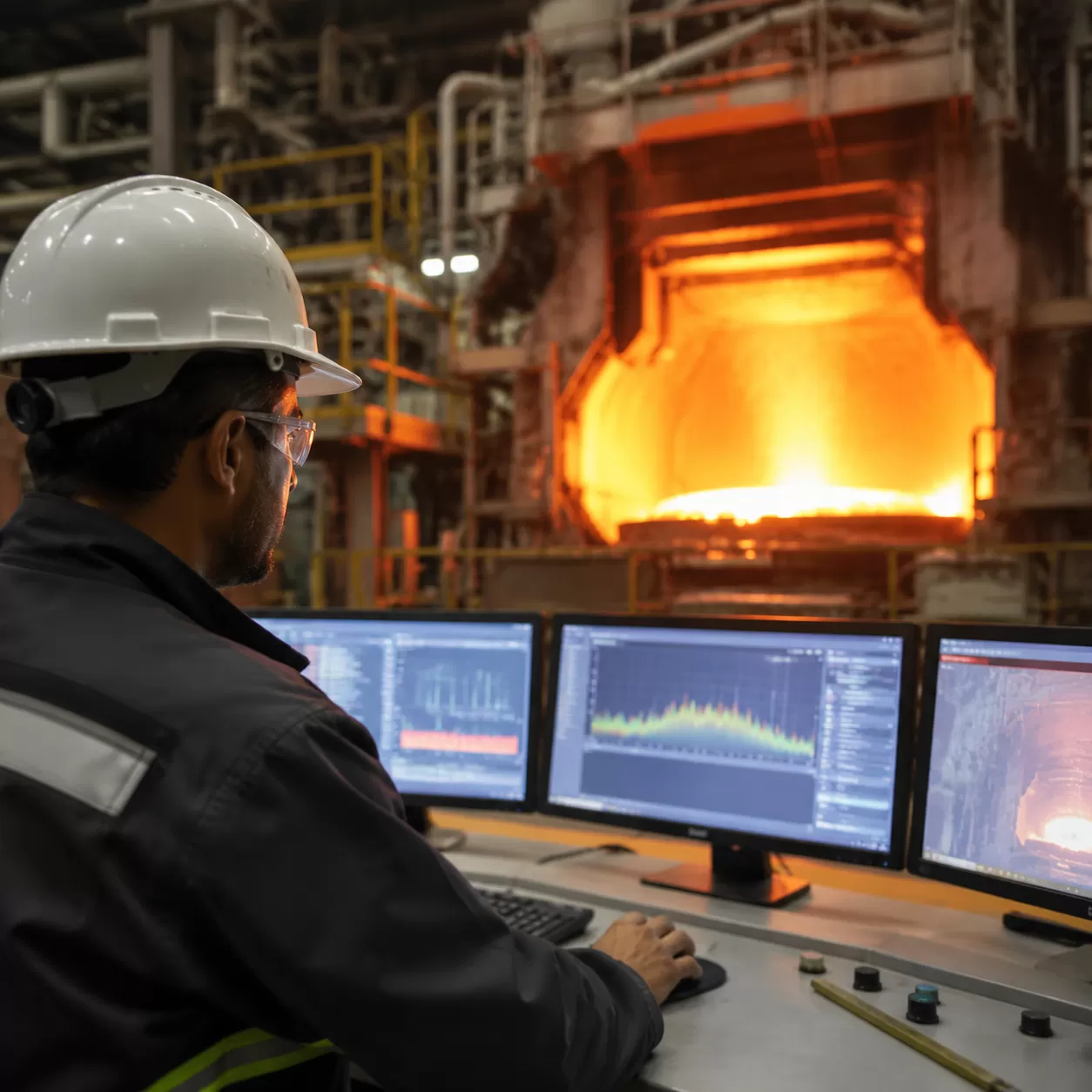
Advanced glass melting furnace technology is the backbone of premium container glass production. When we manufacture glass packaging, the quality of the melt directly dictates the clarity, durability, and safety of the final product. If the furnace cannot maintain a precise and stable temperature, the liquid state glass develops internal flaws, leading to weak spots and structural failures down the line.
Modern commercial glass kilns ensure a highly controlled glass manufacturing process. This thermal precision eliminates impurities and guarantees uniform consistency. Whether we are melting standard materials or handling complex glass compositions—and understanding the specific requirements of borosilicate glass vs soda lime glass is crucial for different packaging needs—the furnace technology must be reliable to prevent critical defects.
Why B2B Buyers Must Evaluate Supplier Furnaces
For businesses sourcing wholesale glass jars or bottles in bulk, a supplier’s furnace capabilities directly impact your bottom line. Subpar melting technology leads to high breakage rates during transit, filling, or consumer use. When evaluating a wholesale glass packaging manufacturing partner, look at how their equipment guarantees quality:
- Flawless Clarity: Advanced melting removes trapped gases and streaks, ensuring a crystal-clear finish that elevates your brand’s aesthetic.
- Enhanced Durability: Evenly melted and correctly conditioned glass drastically reduces internal thermal stress, creating structurally sound bottles and jars.
- Uncompromising Safety: Precise temperature control ensures safe, food-grade containers free from contamination or weak points.
Prioritizing partners who invest in state-of-the-art glass melting technology means you receive consistent, high-quality packaging that protects your product and your reputation on every single order.
The Reihey Advantage: Precision Manufacturing at Scale
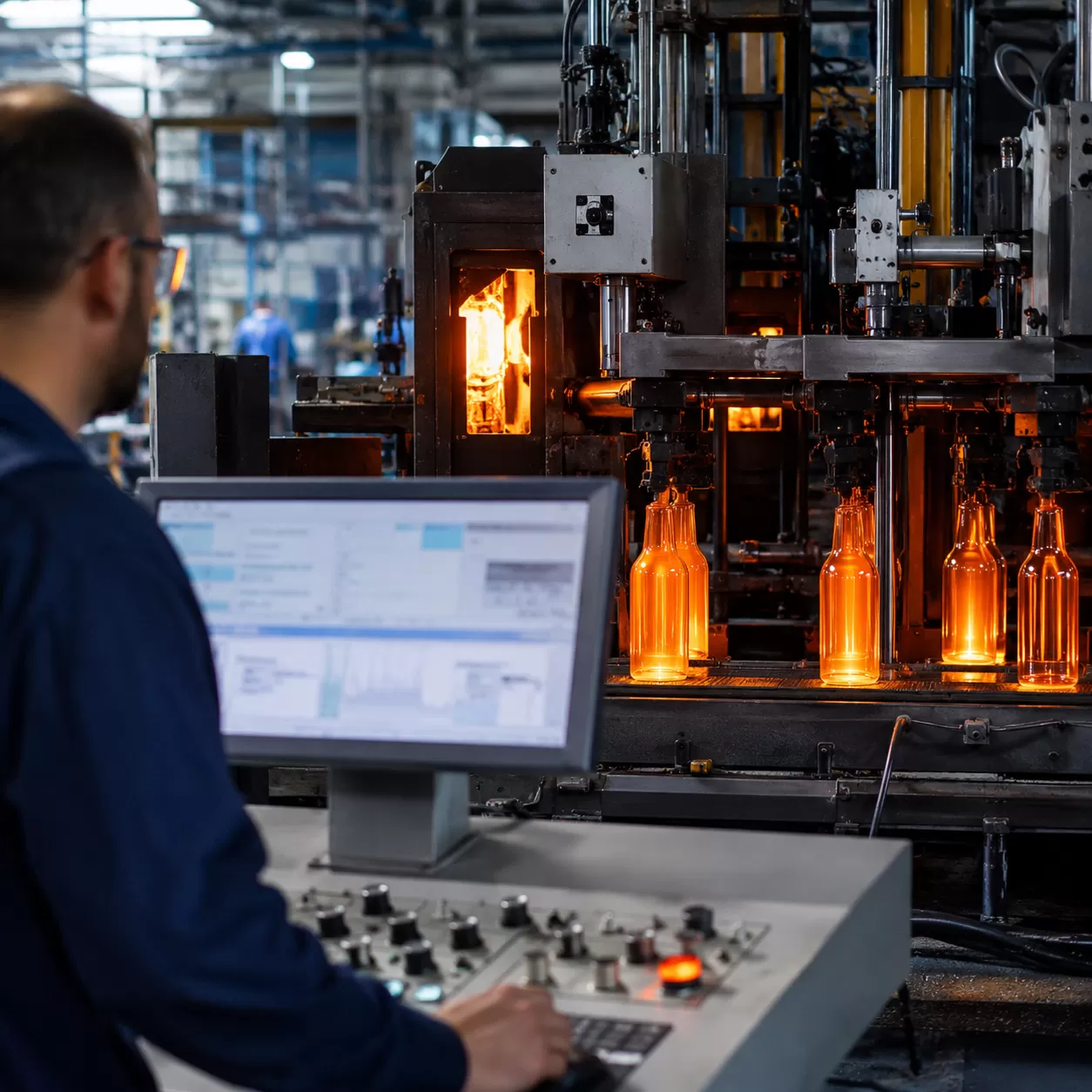
At Reihey, we leverage state-of-the-art glass melting furnace technology to produce premium, highly durable containers like our oven-safe glass jars and custom bottles. By integrating advanced industrial glass melting systems into our facility, we consistently achieve flawless results for the global market.
When it comes to wholesale glass packaging manufacturing, consistency is everything. We routinely manage massive bulk orders without ever compromising on the structural integrity or aesthetic clarity of our glass. Our setups maintain strict control over the melt, ensuring optimal glass viscosity and conditioning as the material transitions smoothly into the glass forming process.
Sustainable Glass Production
Our commitment to quality extends directly to our environmental footprint. We prioritize an efficient, sustainable glass manufacturing process across the board, minimizing waste while maximizing output.
Here is what drives our production floor:
- Advanced Melting Capabilities: Utilizing top-tier glass melting furnace technology to guarantee exceptional container clarity and thermal stability.
- High-Volume Reliability: Delivering bulk wholesale orders with zero drop in structural strength or performance.
- End-to-End Control: Mastering every phase of container glass production, from heating raw materials into a pure liquid state to the critical final cooldown in our industrial annealing ovens.
FAQs on Glass Melting Furnace Technology
Ideal Glass Melting Temperature
The optimal operating range for an industrial glass melting furnace typically falls between 1,400°C and 1,600°C. Maintaining this precise extreme heat is essential to fully convert raw materials into a uniform liquid state. Consistent temperature control dictates the final glass viscosity and conditioning, ensuring perfect clarity and structural integrity—whether we are manufacturing bulk packaging or premium items like our 1200-2800ml glass food sealed jars with acacia wood lids.
Sustainable Glass Production via Electric Furnaces
Electric furnaces are a major step forward for emission control in glass furnaces. By shifting away from traditional natural gas combustion, these specialized kilns significantly reduce direct carbon emissions and localized pollutants. Electric melting improves overall thermal efficiency in glassmaking, delivering a highly consistent melt while meeting the growing global demand for eco-friendly, sustainable glass production.
Refractory Materials in Commercial Glass Kilns
The glass manufacturing process creates highly corrosive elements within the melting tank. To withstand this environment and prevent contamination of the glass compositions, commercial glass kilns rely on advanced refractory materials. The most widely used include:
- Fused Cast AZS (Alumina-Zirconia-Silica): The standard for the main melting basin, offering unmatched resistance to corrosive liquid glass.
- Silica Brick: Primarily used for the furnace crown (roof) because it maintains structural stability under intense, constant heat.
- High Alumina: Frequently utilized in the regenerator areas to handle extreme thermal cycling without breaking down.