The Glass Bottle Manufacturing Process
As a leading glass bottles manufacturer and supplier, we understand that creating the perfect packaging solution is a blend of chemistry and precision engineering. The journey from raw earth to a pristine glass bottle, glass jar, or elegant drinking glasses is meticulously controlled. Understanding how glass bottles are manufactured reveals the dedication to quality embedded in every container we produce.
Raw Materials Used in Glass Production
High-quality glass requires pure, carefully selected raw materials. Our commitment to structural integrity and clarity starts with sourcing the best baseline ingredients.
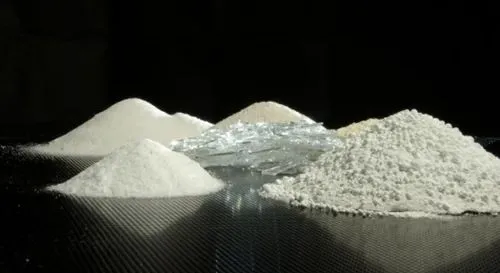
- Silica Sand: The fundamental building block, making up approximately 70-74% of the glass composition.
- Soda Ash (Sodium Carbonate): This crucial ingredient lowers the melting point of the sand, significantly improving energy efficiency during the hot end processes.
- Limestone (Calcium Carbonate): Essential for stabilizing the mixture, it adds durability and chemical resistance to the final product.
- Cullet: Crushed, recycled glass is always included. It accelerates the melting process and drastically reduces environmental impact.
Batch Preparation and Mixing
Before these materials can be transformed into molten glass, precision batch preparation is mandatory. A flawed mixture results in structural weaknesses, making this stage critical for quality control.
- Accurate Weighing: Giant automated silos dispense the exact calculated ratios of sand, soda ash, limestone, and minor additives.
- Thorough Blending: Industrial mixers fold the dry ingredients into a perfectly homogenous mixture, preventing inconsistencies.
- Cullet Integration: The recycled glass is carefully folded into the raw batch, acting as a vital catalyst for the extreme heat phases that follow.
The Glass Melting Phase
This is the moment where raw, solid materials are transformed into a workable liquid state.
Furnace Melting Operations
The prepared batch mixture is fed continuously into a massive industrial furnace. Inside, the environment is extreme, reaching temperatures around 1500°C (2700°F).
Here is what happens inside the furnace:
- Melting: The intense heat melts the sand, soda ash, and limestone into a glowing pool of molten glass.
- Refining: As the mixture melts, trapped gases rise to the surface and escape. This eliminates bubbles, ensuring the glass is structurally sound and visually flawless.
- Homogenizing: The liquid is mixed evenly so that the final Glass Jar or Drinking Glasses have a consistent thickness and clarity.
The Effect of Temperature and Color Technology
Managing temperature is the most critical factor before moving into the hot end processes. The molten material must be cooled slightly to reach the perfect viscosity for gob formation—the step where the liquid glass is cut into precise, weighable drops before entering the molds. If it is too hot, the glass is too runny to hold a shape; if it is too cool, it becomes too stiff to mold.
Temperature also plays a role in color technology. To produce colored glass bottles, we add specific metallic oxides to the melt:
- Green Glass: Created by adding iron, chromium, or copper oxides.
- Blue Glass: Achieved by mixing in cobalt.
- Amber Glass: Made with carbon and sulfur, widely used to block UV light and protect light-sensitive liquids.
Hot End Processes: Forming the Glass
As a dedicated glass bottles manufacturer and supplier, we know the real work begins at the hot end. Once the melting is complete, the molten glass flows out and is cut into precise, glowing cylinders. This crucial step, known as gob formation, dictates the exact weight of the final container. These gobs immediately drop into forming machines to be shaped into a glass bottle or a glass jar using one of two primary techniques.
The Blow-and-Blow Molding Method
We rely on the blow and blow process primarily for manufacturing narrow-neck containers.
- Initial Blow: The gob drops into a blank mold. Compressed air blows down into the glass to form the neck and finish.
- Forming the Parison: A second blast of air blows upward, creating a hollow, partially formed shape called a parison.
- Blow: The parison is transferred to the final blow mold, where more compressed air pushes the glass tightly against the mold walls to achieve its final shape.
This method is highly effective for crafting narrow-neck items, such as a tall dark green glass oil bottle, ensuring even wall distribution despite the slender profile.
The Press-and-Blow Molding Method
When we need to produce wide-mouth containers, the press and blow process is the standard.
- The Press: Instead of using air for the first step, a metal plunger presses directly into the gob inside the blank mold. This action forms the interior cavity and the neck finish simultaneously.
- The Blow: The pressed parison is then moved to the final mold and blown out with compressed air to meet its exact final dimensions.
This technique provides exceptional control over glass thickness and distribution. It is the ideal manufacturing choice when producing wide items like a wide mouth high borosilicate glass food jar.
Cold End Processes: Finishing the Bottles
Understanding how glass bottles are manufactured requires a close look at the cold end phase. Once the hot end processes are complete and the raw shape is formed, the newly minted containers are still incredibly vulnerable. As a reliable glass bottles manufacturer and supplier, we know that shaping the material is only the first step. If a hot glass bottle cools too quickly at normal room temperature, the outside solidifies faster than the inside. This uneven cooling creates severe internal thermal stress, making the glass highly prone to shattering. The cold end operations fix this problem and guarantee the final product is safe, durable, and ready for market.
Annealing Glass Bottles
To eliminate internal stress, the bottles are sent through a long, temperature-controlled tunnel kiln known as an annealing lehr. This stage is non-negotiable for producing a strong glass bottle or glass jar.
The Annealing Sequence:
- Temperature Equalization: The bottles are reheated just enough so the inside and outside temperatures match.
- Stress Relief: The glass is held at a consistent, elevated temperature for a specific duration to let internal tensions relax.
- Controlled Cooling: The temperature is gradually lowered at a precise, slow rate until the bottles reach room temperature.
This slow, controlled process ensures the glass is physically stable and tough enough to withstand filling lines, transportation, and daily consumer use.
Inspection and Quality Control
Immediately after the annealing lehr, the bottles enter the inspection line. Quality control is rigorous. We use advanced, high-speed electronic optical scanners combined with human oversight to catch any structural or cosmetic flaws. Strict dimensional accuracy is completely vital, especially when manufacturing specialized packaging like a 30ml 50ml roll-on glass bottle, where a fraction of a millimeter means the difference between a perfect rollerball fit and a leaking product.
Our Automated and Manual Inspection Checklist:
- Dimensional Accuracy: Scanning the height, diameter, and weight to ensure they match the exact mold specifications.
- Wall Thickness Validation: Checking for uneven glass distribution to eliminate fragile weak points.
- Flaw Detection: Instantly rejecting bottles containing air bubbles, internal cracks (checks), or trapped raw materials.
- Seal Integrity: Ensuring the finish and lip of the bottle are perfectly flat and smooth so closures and caps seal completely airtight.
Any container that fails these tests is immediately rejected, crushed back into cullet, and sent back to batch preparation to be melted down again. Only flawless glass packaging makes it through to the final packing stage.
Applications and Uses of Glass Bottles
Glass packaging is versatile, sustainable, and trusted globally. Because glass is chemically inert, it doesn’t interact with the contents, making it the safest option for everything from hot sauce to high-end perfumes. As a glass bottles manufacturer, we see firsthand how vital these containers are for preserving product integrity and shelf life.
Major Industries Using Glass Packaging
Different sectors rely on glass for its ability to maintain flavor and ensure safety.
- Food and Beverage: This is the largest sector. Whether it’s a Glass Jar for pickles or a bottle for carbonated drinks, glass ensures the taste remains pure.
- Pharmaceuticals: Safety is non-negotiable here. Glass provides a sterile environment, essential for medicines and syrups.
- Cosmetics and Personal Care: Aesthetics meet function. Brands use high-quality glass to convey luxury and protect sensitive ingredients from UV light. For example, our green glass essential oil bottles with droppers are designed specifically to shield light-sensitive serums and oils.
Different Types of Glass Bottles
We manufacture a wide range of shapes and sizes to meet specific global market needs. Choosing the right container depends on the product’s viscosity, light sensitivity, and usage method.
| Bottle Type | Common Application | Key Feature |
|---|---|---|
| Dropper Bottles | Essential oils, serums | Precision dispensing, UV protection |
| Boston Round | Chemicals, medicines | Strong, rounded shoulders |
| Drinking Glasses | Beer, water, juice | Ergonomic, clear visibility |
| Wide Mouth Jars | Jams, creams | Easy filling and scooping |
Beyond storage, the consumer experience matters. For the beverage industry, the feel of the glass in hand is part of the enjoyment, much like our durable 16oz wheat beer glasses which are designed to enhance the drinking experience. Whether for industrial filling lines or home use, the right glass type makes all the difference.
Frequently Asked Questions About Glass Bottles
Understanding how glass bottles are manufactured naturally leads to questions about their lifecycle and customization. As a leading glass bottles manufacturer and supplier, we frequently address inquiries regarding sustainability and design. Here is a breakdown of the most common questions.
How Are Glass Bottles Recycled?
Glass is 100% recyclable and can be processed infinitely without any loss in purity or quality. The recycling loop is highly efficient:
- Sorting: Used containers—from an everyday Glass Jar to premium Drinking Glasses—are collected, cleaned, and sorted by color.
- Crushing: The glass is crushed into small, uniform fragments known as cullet.
- Remelting: During standard batch preparation, this cullet is mixed with raw materials and fed into the furnace. Melting cullet requires significantly less energy than melting raw materials alone.
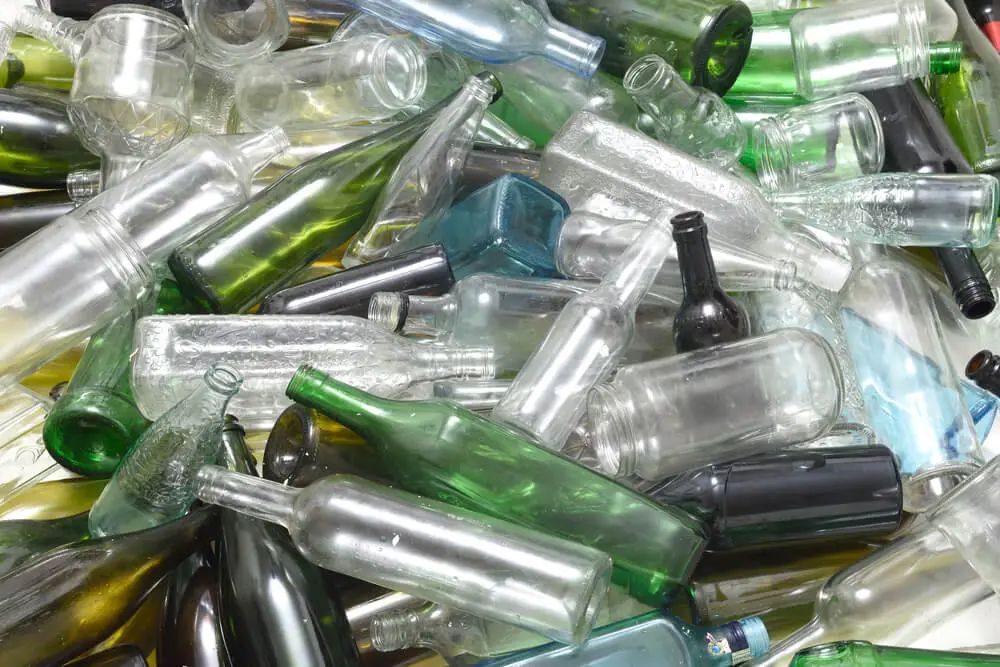
- Reforming: Once it becomes molten glass, it enters the hot end processes. It undergoes gob formation and is shaped using either the press and blow or blow and blow process to create a brand-new container.
How Are Colored Glass Bottles Made?
We achieve different glass colors by adding specific metal oxides and minerals directly into the furnace during the melting phase. This permanent coloration provides both aesthetic appeal and functional protection.
- Amber Glass: We add a precise mix of iron, sulfur, and carbon. This creates a deep brown tint that blocks UV light, which is exactly why our amber calabash shape glass essential oil bottles are highly recommended for protecting light-sensitive cosmetics and liquids.
- Green Glass: The addition of chromium oxide results in a classic green shade, heavily utilized in the beverage industry.
- Blue Glass: Mixing in cobalt oxide produces a vibrant, premium blue finish.
Because these elements are mixed deep into the molten material, the color is fully integrated into the structural integrity of every Glass Bottle we produce, guaranteeing it will never fade or wash off.