-
The “Invisible Enemy”: Why road vibrations cause microscopic friction damage.
-
Shock-Absorbency Secrets: Why molded pulp beats foam for sustainable protection.
-
The Column Rule: The specific stacking pattern that saves glass from crushing pressure.
-
Carrier Accountability: How to force LTL companies to handle your pallet with care.
What Are Micro-Fractures and Why Do They Happen in LTL?
When shipping wholesale glass jars across the country, complete shattering isn’t the only threat to your inventory. The hidden enemy in freight shipping is the micro-fracture. These are microscopic, often invisible cracks that compromise the structural integrity of glass over time. While a jar might look perfectly intact upon arrival, a micro-fracture creates a fatal weak point that can lead to catastrophic failure during the filling and cleaning process, or worse, in the hands of the end consumer.
The Anatomy of an LTL Journey
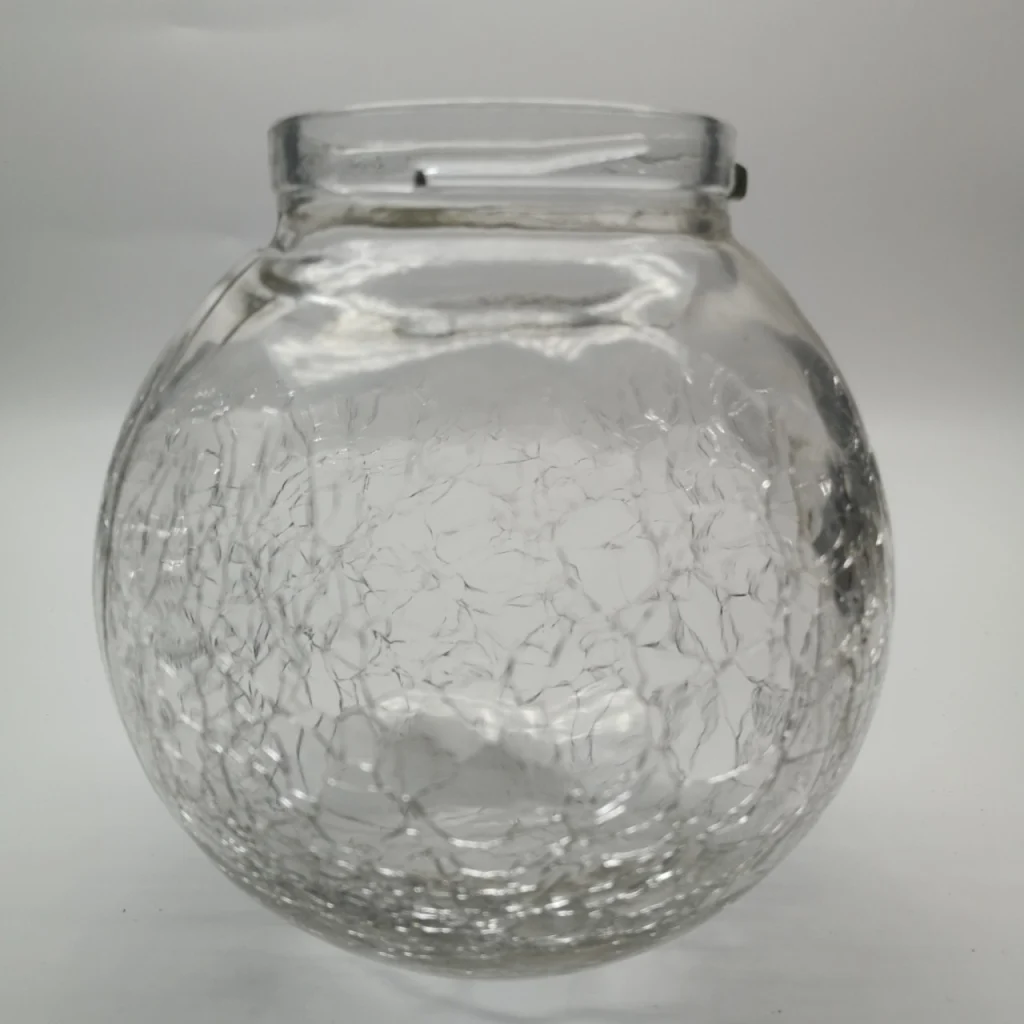
Less-Than-Truckload (LTL) freight shipping glass is notoriously harsh. Unlike full truckload shipments that go straight from point A to point B, LTL operates on a hub-and-spoke model. This means your pallets of bulk glass containers face constant disruptions.
Here is what your glass packaging solutions actually endure during LTL transit:
- Frequent Forklift Handling: Pallets are loaded, unloaded, and transferred multiple times across different cross-docks, increasing the risk of sharp drops and sudden impacts.
- Continuous Trailer Vibrations: Standard trailers transfer relentless road shock directly up through the pallet base into the glass.
- Shifting Freight: Sharing trailer space with other cargo means your pallets are subjected to uneven lateral forces.
Resonant Frequencies and Microscopic Damage
The core cause of micro-fractures during LTL freight shipping comes down to vibration damage and friction. Every glass jar has a resonant frequency. When the constant hum and bounce of the highway match this frequency, the glass begins to vibrate intensely.
If there is insufficient shock-absorbing material to dampen these road vibrations, the jars will experience glass-to-glass contact. Even microscopic rubbing between adjacent 4oz or 16oz jars acts like a localized abrasive. Over hundreds of miles, this high-frequency friction scores the surface of the glass, creating tiny fissures. Without the right internal isolation, those harmless-looking vibrations will slowly degrade the integrity of the entire pallet.
Selecting the Right Shock-Absorbing Internal Packaging
When it comes to reducing micro-fractures in glass jars during LTL shipping, isolating individual glass containers is non-negotiable. Glass-to-glass contact during transit is the leading cause of microscopic damage. As a reliable custom glass jar manufacturer, we prioritize internal packaging materials that absorb transit shock and keep bulk shipments completely secure.
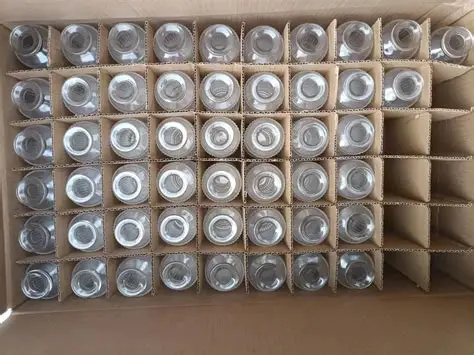
Here is how different shock-absorbing materials perform for LTL freight shipping glass:
- Biodegradable Molded Pulp Pads: These are our top choice for eco-friendly glass packaging. Molded pulp naturally conforms to the container’s shape and excels at absorbing the high-frequency road vibrations that typically cause invisible stress fractures. It is a highly sustainable, highly effective solution.
- Corrugated Cardboard Dividers: Essential for wholesale glass spice jars shipping. Corrugated cardboard glass dividers create rigid, secure cells for each individual jar. They stop lateral shifting within the carton and add necessary vertical compression strength to the overall pallet load.
- Foam and Alternative Inserts: While foam offers excellent heavy-impact protection for extremely fragile items, it often falls short in sustainability. We recommend using foam inserts only when the specific weight or shape of the container demands it, relying primarily on fully recyclable paper-based materials to protect your bulk glass container logistics.
Palletizing Best Practices for Bulk Glass Jars
When preparing bulk glass container logistics for LTL freight shipping, the pallet acts as your frontline defense against the harsh transit environment. A poorly built pallet amplifies road vibrations and handling shocks, directly leading to microscopic damage. To ensure maximum freight claim prevention for glass, we rely on strict palletizing protocols that secure the load from the bottom up.
Base Preparation: Securing the Foundation
A stable shipment starts with a flawless foundation. Before a single box is loaded, the pallet base must be thoroughly inspected.
- Undamaged Boards: Broken or missing deck boards create uneven weight distribution, putting immense bottom-tier stress on the lowest layer of glass.
- Flush Surfaces: The bottom layer of corrugated cardboard glass dividers must sit completely flat. Any warping in the wood can translate directly into stress points on the glass bases.
Stacking Patterns: Column vs. Interlocking
The way boxes are arranged on the pallet dictates how well they survive the LTL journey. While interlocking (brick-laying) patterns are great for stabilizing flexible goods, they are highly detrimental to glass jar packaging solutions.
Strict column alignment is crucial. The structural integrity of glass containers—whether standard spice jars or specialized designs like our 9 oz square bottom glasses—relies heavily on their vertical compression strength. Column stacking ensures that the weight of the upper tiers transfers directly down the rigid walls of the jars below, rather than resting directly on the fragile center points of the lids or bases.
Load Containment: Unifying the Pallet
The goal of pallet load containment is to transform hundreds of individual boxes into a single, unified block. This is critical for glass-to-glass contact prevention and mitigating vibration damage in LTL freight.
- Corner Boards: Rigid edge protectors distribute the tension of the stretch wrap evenly and protect the outer columns from forklift impacts.
- Top Caps: Placing a sturdy corrugated cap on top of the load adds downward pressure, preventing the top layers from bouncing during transit.
- Proper Stretch Wrapping Tension: Wrap must be applied with tight, consistent tension, securely anchoring the lowest boxes to the actual wood of the pallet. A loose wrap allows the boxes to shift, generating high-frequency internal vibrations.
Avoiding Overhang and Underhang
To maintain maximum compression strength, the dimensions of the load must perfectly match the pallet base.
- Overhang: Boxes that extend past the edge of the pallet act as bumpers. They absorb every bump and scrape the pallet encounters, instantly shattering the jars inside.
- Underhang: When the load is smaller than the pallet base, the boxes lose the structural support of the pallet edges, reducing the overall stability of the stack and allowing the load to shift internally.
By keeping the load perfectly flush with the pallet edges, we ensure that the structural integrity of the bulk glass packaging remains uncompromised from our warehouse to your facility.
The Role of Glass Quality and Design in Transit Durability
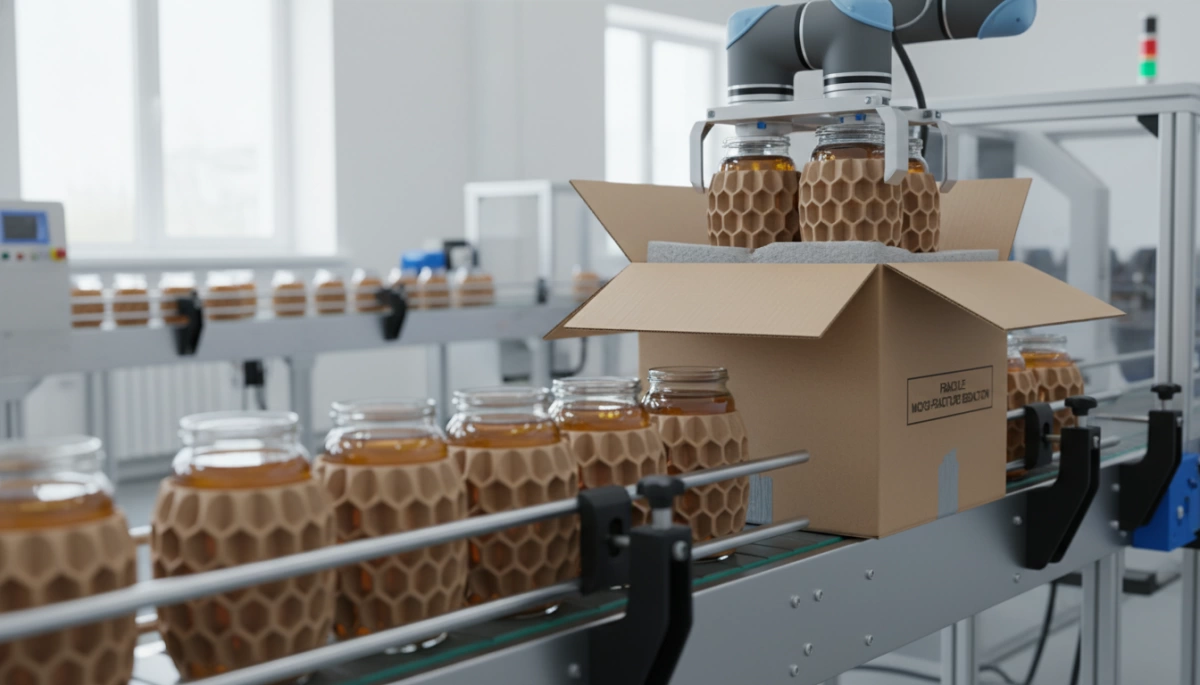
Reducing micro-fractures in glass jars during LTL shipping starts long before the pallet is wrapped. The manufacturing quality and physical design of the glass container itself dictate whether it will survive a bumpy transit route. At Reihey, we engineer bulk glass containers specifically designed to withstand the physical demands of modern logistics.
Preventing Weak Points Through Uniform Distribution
Uneven glass thickness is a massive liability during transit. When glass is molded unevenly, the thinner sections become immediate stress points. The constant vibration and road shock inherent to LTL freight shipping target these weak areas, accelerating the formation of microscopic cracks. We prioritize strictly uniform glass distribution during manufacturing, ensuring each jar can absorb and dissipate kinetic energy evenly across its entire structure.
Strategic Sizing and Container Shape
The geometry of your packaging directly impacts freight claim prevention. Containers featuring a wider base and smooth, continuous curves naturally distribute pressure far better than sharp, rigid angles. We offer a versatile production range—from compact 3oz spice jars to heavy-duty 28oz bulk containers—allowing you to select the optimal dimensions for load stability. Choosing a sturdy, well-proportioned profile, similar to the balanced design of our 16oz simple tea glasses, actively minimizes stress concentrations and prevents tipping inside the carton.
Pre-Shipping: Proper Filling and Cleaning Processes
Jar integrity must be aggressively protected before the packaging ever reaches the loading dock. Improper handling during the preparation stage can quietly compromise the glass:
- Thermal Shock Avoidance: Extreme or rapid temperature changes during automated hot-water cleaning processes can introduce invisible stress fractures.
- Precise Filling Tolerances: Overfilling jars creates intense internal pressure spikes, which act as a catalyst for breakage when exposed to the temperature fluctuations inside an LTL trailer.
- Gentle Conveyor Handling: Preventing glass-to-glass contact on the filling line stops the initial surface scratching that eventually degrades into critical micro-fractures during transit.
Communicating Effectively with LTL Carriers
Even the most robust packaging cannot save a pallet if the carrier mishandles it. When we ship our wholesale glass containers, we know that preventing glass breakage in transit requires setting explicit expectations with the freight company. Reducing micro-fractures in glass jars during LTL shipping ultimately comes down to clear instructions and strict accountability at every terminal.
To master LTL freight shipping glass, implement these three communication strategies:
- Aggressive and Clear Labeling: Never assume dock workers know what is inside a shrink-wrapped pallet. Use bright, high-visibility labeling on all four sides. Essential tags include “Fragile” and “Glass.” Most importantly, secure crush-proof “Do Not Double Stack” cones to the top of the load. This physically prevents forklifts from dropping another heavy pallet onto your shipment, a leading cause of stress-induced micro-fractures.
- Specify Air-Ride Suspension: Standard spring-ride trailers transfer immense road shock directly into the freight. When selecting your carrier, explicitly request air-ride suspension LTL shipping. Air-ride systems drastically dampen the high-frequency vibrations that cause invisible glass-to-glass contact damage. Whether you are shipping 3oz spice jars or working with a premium glass honey jar manufacturer for bulk supplies, air-ride trailers are non-negotiable for preserving structural integrity.
- Deploy Impact and Tilt Monitors: Trust, but verify. Apply single-use impact indicators (like ShockWatch) and tilt monitors directly to the pallet wrap. If a forklift operator drops the pallet or tips it beyond an acceptable angle, the indicator permanently changes color. This immediately flags mishandling at the receiving dock, ensuring strict carrier accountability and streamlining freight claim prevention for glass shipments.
Sustainable and Secure Packaging Logistics
At Reihey, we know that preventing glass breakage in transit doesn’t mean sacrificing sustainability. We combine premium bulk glass manufacturing with cutting-edge, recyclable packaging to protect your glass jars. When moving delicate inventory like our high borosilicate glass food jars with cork lids, we rely on eco-friendly glass packaging solutions. By using biodegradable molded pulp pads and rigid corrugated cardboard, we absorb road vibrations naturally without adding harmful plastics to the landfill.
Streamlining your bulk glass container logistics requires partnering with a supplier who truly understands the physical demands of LTL freight shipping glass. We build security directly into our supply chain, ensuring that every pallet is prepped for the specific rigors of frequent forklift handling and transit shock.
Core Advantages of Our Logistics Approach:
- Integrated Protection: Seamlessly pairing high-quality jars (ranging from 3oz to 28oz) with custom, shock-absorbing materials.
- Eco-Conscious Focus: Utilizing 100% recyclable and biodegradable packaging to meet modern sustainability goals.
- LTL Expertise: Designing rigorous load containment strategies specifically tailored for wholesale glass spice jars shipping.
- Claim Reduction: Eliminating glass-to-glass contact at the source to drastically reduce the risk of micro-fractures and freight claims.
By unifying secure packaging design with top-tier manufacturing, we ensure your bulk glass arrives completely intact and ready for filling.
FAQs on Reducing Micro-Fractures in Glass Jars During LTL Shipping
Can micro-fractures be detected before transit?
Most micro-fractures are invisible to the naked eye. In our manufacturing facilities, we use specialized polarized lighting and stress-testing equipment to inspect the glass. This ensures that any compromised containers are removed long before they enter your LTL freight shipping glass logistics chain.
Why choose column stacking over interlocking?
Glass bears weight most effectively in a vertical line. Column stacking aligns the strongest points of the containers directly on top of each other. Interlocking, while good for general pallet stability, shifts the downward pressure onto the weaker shoulder sections of the jars, increasing the likelihood of vibration damage in LTL freight.
Is air-ride suspension mandatory?
While not strictly required by law, we consider it essential for preventing glass breakage in transit. Standard spring-ride trailers transfer massive amounts of road vibration directly to the pallet. Air-ride suspension dampens these shocks, which is especially critical when shipping smaller, delicate items like 1oz heart-shaped shot glasses alongside heavier bulk pallets.
Biodegradable molded pulp vs. foam?
Biodegradable molded pulp packaging is often superior for heavy glass loads. It provides a tight, custom fit that prevents glass-to-glass contact while absorbing high-frequency road vibrations. Unlike traditional petroleum-based foam, molded pulp is an eco-friendly glass packaging solution that completely aligns with modern sustainability goals without sacrificing structural protection.