As a specialist in sustainable food preservation, I know that protecting your bulk dry goods requires more than just a lid—it requires a total moisture barrier and a reliable airtight seal.
In this guide, you’ll learn the technical truth about oxygen permeability, light degradation, and which container offers the best shelf life for your pantry goals.
Let’s dive in.
Mylar Bags for Long-Term Food Storage
When I look at long-term food preservation, Mylar bags are often the first choice for high-volume storage. These bags are made from a specialized polyester film (BoPET) that is laminated to a foil layer. This combination creates a powerful moisture barrier and an almost zero permeability rate for oxygen, which is essential for keeping dry goods fresh for 20 to 30 years.
What is Mylar and How It Works
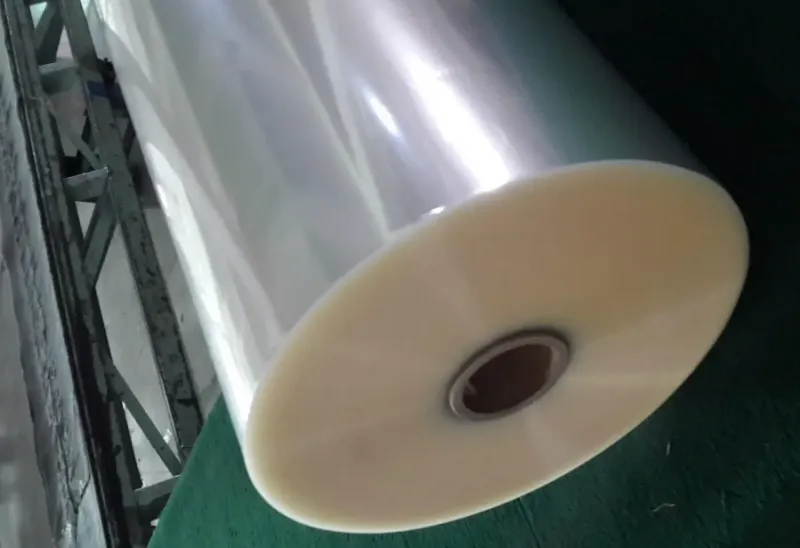
Mylar works by creating a chemically stable environment for your food. Unlike standard plastic bags, Mylar is non-porous. When I pair these bags with oxygen absorbers, the foil layer prevents outside air from seeping back in. This process effectively stops the oxidation that causes oils to go rancid and vitamins to break down.
Pros of Using Mylar for Bulk Storage
Mylar is the industry standard for large-scale prep for several reasons:
- Total Light Blockage: The metallic layer eliminates light degradation, protecting sensitive items like beans and grains.
- Flexibility: These bags are lightweight and expand to fit the shape of the food, making them easy to pack into 5-gallon buckets.
- Cost-Efficiency: For storing hundreds of pounds of bulk dry goods, Mylar is significantly cheaper per pound than almost any other method.
- Space Saving: Once the oxygen is removed, the bags shrink-wrap around the food, allowing for dense stacking.
The Downsides: Rodents and Durability
Despite their strengths, Mylar bags are not invincible. I always remind people that Mylar is a “soft” storage solution, which brings specific risks:
- Rodent Vulnerability: Mylar is not rodent-proof. Mice and rats can smell the contents and chew through the film in seconds. You must store Mylar bags inside a secondary hard container, like a plastic pail or a metal bin.
- Puncture Issues: Sharp foods like dehydrated pasta or freeze-dried snacks can poke tiny “pinholes” in the bag from the inside, compromising the airtight seal.
- One-Time Use: While you can sometimes wash and reseal them, Mylar bags usually get shorter every time you cut them open, making them less sustainable for everyday kitchen use.
Glass Mason Jars: The Pantry Gold Standard

When it comes to a permanent, reliable barrier, glass is the undisputed heavyweight champion. As a manufacturer, I’ve seen firsthand how high-quality glass jars for food storage provide a level of security that synthetic materials simply can’t match. Glass is 100% impermeable, meaning it doesn’t breathe, doesn’t leach chemicals, and keeps your food tasting exactly as it should.
Why Glass is the Ultimate Impermeable Barrier
Unlike plastic or thin films, glass is a non-porous material. It creates a total airtight seal that prevents oxygen and moisture from migrating into your dry goods. This makes it a top-tier choice for sustainable food preservation.
Benefits and Drawbacks of Glass Storage
| Feature | The Good News | The Trade-off |
|---|---|---|
| Durability | Rodent-proof containers; pests can’t chew through glass. | Glass can chip or shatter if dropped. |
| Visibility | Clear walls allow for instant inventory checks. | Light degradation can occur if stored in the sun. |
| Safety | Made from food-grade materials and naturally BPA-free packaging. | Heavy weight makes bulk transport difficult. |
| Reusability | Can be sterilized and reused for decades. | Requires more shelf space than flat bags. |
One of the biggest wins for glass is its resistance to pests. While rodents can easily chew through Mylar, they can’t get past a thick glass wall. Whether you are storing bulk grains or using a hexagon glass honey jar for smaller pantry staples, the protection is absolute.
The main downsides are weight and light exposure. Because glass is clear, UV rays can break down the nutritional value of your food over time. To combat this, you simply need to keep your jars in a dark pantry or cupboard. While they are heavier than bags, the fact that you can wash and reuse them indefinitely makes them the most cost-effective “buy once, cry once” solution for any serious kitchen.
Mylar Bags vs. Mason Jars: The Direct Comparison
When comparing mylar bags vs mason jars, the decision usually boils down to your storage environment and how often you plan to rotate your stock. Both are industry standards for preserving bulk dry goods, but they function differently under pressure.
Oxygen and Moisture Protection
Mylar bags are excellent for creating a flexible vacuum, but they rely entirely on oxygen absorbers to strip out the air. Glass, on the other hand, is a 100% impermeable moisture barrier. While Mylar can eventually allow microscopic amounts of gas exchange over decades, a glass jar with a proper airtight seal remains completely inert. This makes glass the top choice for items sensitive to smell or humidity.
Storage Performance Comparison
| Feature | Mylar Bags | Mason Jars |
|---|---|---|
| Oxygen Exclusion | Excellent (with absorbers) | Superior (vacuum seal or absorbers) |
| Moisture Resistance | High | Absolute (Non-porous) |
| Shelf Life Expectancy | 20-25 Years | 30+ Years (if kept in dark) |
| Pest Protection | Vulnerable to rodents | 100% Rodent-proof |
| Reusability | Very Limited | High (Lifetime use) |
Cost-Benefit Analysis: Initial vs. Long-Term
- Initial Cost: Mylar is cheaper upfront for packing hundreds of pounds of grain quickly.
- Long-Term Value: Mason jars are a one-time investment. Because they are sustainable food preservation tools, you won’t need to keep buying replacements.
- Versatility: Glass handles heat and cold better. For example, understanding are mason jars microwave safe allows you to transition food from storage to prep seamlessly, a feat Mylar cannot achieve.
Shelf Life Expectancy for Dry Goods
For dehydrated food storage, both methods can hit the 20-to-30-year mark if stored correctly. However, Mylar is prone to “pinhole” leaks if handled roughly. Glass maintains its integrity forever, provided it doesn’t break. If you are storing high-value items like medicine or specialized powders, using frosted glass pharmaceutical bottles or standard Mason jars ensures zero chemical leaching into your supplies.
Choosing the Right Storage for Your Needs
Deciding between mylar bags vs mason jars depends on your specific goals, storage environment, and how often you plan to access your supplies. Both serve as excellent food-grade materials, but they excel in different scenarios.
When to Reach for Mylar Bags
Mylar is the go-to for high-volume, long-term dehydrated food storage. If you are prepping hundreds of pounds of bulk dry goods like rice, beans, or flour for 10 to 30 years, Mylar is the most efficient choice.
- Space Efficiency: They are flexible and can be packed tightly into plastic buckets.
- Weight: Extremely lightweight compared to glass, making them ideal for emergency kits.
- Light Protection: The opaque foil layer provides a total shield against light degradation.
When Mason Jars are the Better Choice
For the active pantry and medium-term preservation, glass is the gold standard. Glass mason jars provide a 100% impermeable moisture barrier and are completely rodent-proof containers. Unlike plastic or thin bags, pests cannot chew through glass.
- Visibility: You can see exactly what is inside and how much is left.
- Sustainability: Glass is the peak of sustainable food preservation because it can be sterilized and reused indefinitely.
- Airtight Security: When paired with a quality lid, they maintain a perfect airtight seal for years. When filling your containers, it is a good practice to understand why bottles containing liquid are left with space at the top to manage pressure and ensure a proper seal, even when storing dry goods that may settle.
The Hybrid Storage Strategy for Double Protection
I often recommend a hybrid approach to maximize shelf life. This “belt and suspenders” method involves using both tools to eliminate the weaknesses of each.
- The Pouch-in-Jar Method: Place small Mylar pouches inside large Mason jars. This protects the Mylar from rodents and provides a secondary gas barrier.
- The Bucket-in-Jar Method: Use Mason jars for the items you use monthly and Mylar bags inside 5-gallon buckets for your “deep storage” reserves.
- Oxygen Management: Use oxygen absorbers in both formats to ensure the lowest possible permeability rates and prevent spoilage.
By matching the container to the food type and your expected consumption rate, you ensure your investment in freeze-dried storage and dry staples remains safe for years to come.
Pro Tips for Maximizing Food Shelf Life
Getting the most out of your mylar bags vs. mason jars setup requires more than just filling them up. To truly extend shelf life, you need to master the environment inside and outside the container. I recommend following these strict protocols to ensure your investment doesn’t go to waste.
How to Use Oxygen Absorbers Correctly
Oxygen absorbers are essential for removing residual O2 that causes spoilage and insect growth.
- Match the Volume: Use at least 300cc for a quart jar and 2000cc for a 5-gallon Mylar bag.
- Work Fast: These packets start working the moment they hit the air. Only take out what you need and seal your containers within 15 minutes.
- Verify the Seal: If using Mylar, the bag should look “vacuum-packed” after 24 hours. For jars, the lid should be sucked down tight.
The “Cool, Dark, and Dry” Storage Rule
No matter which storage method you choose, three factors destroy food faster than anything else:
- Heat: Aim for a constant temperature below 70°F (21°C). High heat kills nutrients and shortens life expectancy.
- Light: UV rays cause light degradation. If you are using our clear wide-mouth glass jars, keep them in a dark pantry or a closed cabinet to protect the contents.
- Moisture: High humidity can cause mold before you even seal the lid. Always pack your bulk dry goods in a low-humidity environment.
Achieving a Properly Airtight Seal
For glass mason jars, the seal is only as good as the rim. We always advise checking for nicks or debris on the glass edge before tightening the lid. For long-term dry storage, using a vacuum sealer attachment for jars provides an extra layer of security, pulling out the air before the oxygen absorber finishes the job. This ensures a professional-grade airtight seal that keeps moisture and pests out for years.
Common Questions About Food Preservation: Mylar Bags vs. Mason Jars
We often get asked about the practical limits of these storage methods. When comparing mylar bags vs mason jars, the best choice depends on your specific storage environment and how often you plan to access your supplies.
Can you reuse Mylar bags after sealing?
You can reuse Mylar bags, but it comes with risks. To reuse one, you must cut off the existing heat seal, which makes the bag shorter for the next use. More importantly, repeated folding and sealing can create “pinholes” in the foil layer. These tiny fractures allow oxygen to seep in, ruining the shelf life of your food. For critical long-term storage, we always recommend using a new bag.
Do Mason jars really keep food fresh for 30 years?
Glass is a true impermeable barrier. Unlike plastic or thin foils, glass does not allow gas exchange over time. When you use a high borosilicate glass food jar paired with a proper airtight seal and an oxygen absorber, dry goods like white rice, beans, and wheat can easily remain edible for 25 to 30 years. The key is keeping the jars in a dark area to prevent light degradation.
Which is better for freeze-dried food storage?
While both work, they serve different purposes for freeze-dried goods:
- Mylar Bags: These are the industry standard for lightweight, long-term emergency kits. They are easy to pack but offer no protection against crushing.
- Mason Jars: These are superior for fragile freeze-dried fruits and vegetables. Glass provides a rodent-proof container that prevents the contents from being pulverized. It also allows you to see the contents clearly, making inventory management much simpler.
Key Takeaways for Long-Term Success
- Pest Protection: Rodents can chew through Mylar in seconds; they cannot get through glass.
- Reusability: Mason jars can be sterilized and reused indefinitely, making them a more sustainable food preservation choice.
- Reliability: Mylar is prone to “false seals” where the bag looks vacuum-packed but actually has a micro-leak. A sealed glass jar is much easier to verify for a permanent vacuum.