Borosilicate and Soda Lime Glass
As a trusted glass bottles manufacturer and supplier, we know that selecting the right material is critical for product performance and safety. When navigating the global market, the choice often comes down to borosilicate glass vs soda lime glass. While both materials look similar to the naked eye, their underlying chemistry and structural properties are fundamentally different.
What is Soda Lime Glass?
Soda lime glass is the most prevalent type of glass manufactured globally, accounting for about 90% of all glass produced.
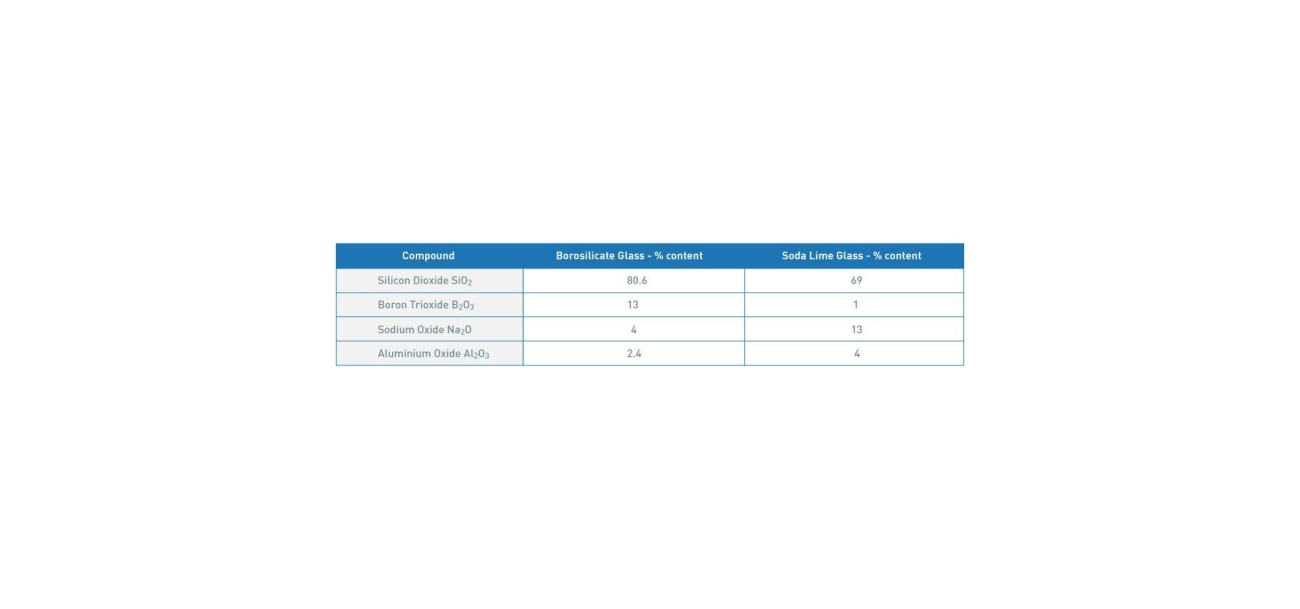
- Chemical Composition: It is primarily made from silicone dioxide (silica), sodium carbonate (soda), and calcium oxide (lime).
- Key Traits: This glass is highly cost-effective, easy to melt, and simple to mold into various shapes. It offers excellent clarity and moderate hardness.
- Limitations: Standard soda lime glass has a relatively high thermal expansion rate, meaning it expands and contracts significantly with temperature changes, making it vulnerable to thermal shock unless manufactured as tempered glass.
What is Borosilicate Glass?
Borosilicate glass is a specialized, premium material engineered for environments that demand extreme durability.
- Chemical Composition: Formulated mainly from silicone dioxide and a substantial amount of boric oxide (typically between 5% and 13%).
- Key Traits: The addition of boric oxide fundamentally alters the glass matrix. It dramatically lowers the coefficient of thermal expansion, resulting in exceptional thermal resistance. This allows the glass to transition directly from a freezer to a hot oven without shattering.
- Advanced Benefits: Beyond temperature tolerance, borosilicate provides superior chemical resistance, ensuring it will not leach chemicals into its contents or degrade when exposed to harsh acids.
Key Differences: Borosilicate Glass vs Soda Lime Glass
As a glass bottles manufacturer and supplier, we know that selecting the right material directly impacts product performance and safety. When comparing borosilicate glass vs soda lime, the decision comes down to how the glass reacts to heat, chemicals, and physical stress.
Thermal Resistance and Shock Tolerance
- Borosilicate Glass: Contains boric oxide, giving it an incredibly low coefficient of thermal expansion. This translates to superior thermal resistance, meaning it can move from a freezing environment to a boiling one without shattering. This makes it ideal for handling hot liquids, much like our heat-resistant 16oz simple tea glasses.
- Soda Lime Glass: Expands and contracts rapidly with temperature changes. It is prone to thermal shock and will crack under sudden extreme heat or cold unless it is specifically treated to become tempered glass.
Chemical Resistance and Degradation
- Borosilicate Glass: Formulated with a high concentration of silicone dioxide, it offers unmatched chemical resistance. It will not degrade, leach, or react when exposed to harsh acids, bases, or saline solutions.
- Soda Lime Glass: Completely stable and safe for standard food and beverage applications. It is the go-to material for everyday commercial packaging, such as a reliable clear swing top glass bottle for juice, but it will degrade faster over time if used to store aggressive industrial chemicals.
Mechanical Strength and Hardness
- Borosilicate Glass: Naturally possesses higher hardness. It is much more resistant to surface scratches and abrasions, keeping it clearer for longer.
- Soda Lime Glass: While inherently softer, its structural density allows it to be easily tempered. Once tempered, its impact strength skyrockets, making it highly durable against blunt force drops in consumer environments.
Quick Comparison
| Feature | Borosilicate Glass | Soda Lime Glass |
|---|---|---|
| Thermal Resistance | High (survives extreme temperature shock) | Low (shatters under shock unless tempered) |
| Chemical Resistance | Excellent (resists harsh acids/alkalis) | Good (perfect for food and beverages) |
| Hardness | High (naturally scratch-resistant) | Moderate (softer surface) |
| Impact Strength | Moderate | High (when chemically or thermally tempered) |
Common Applications and Industry Uses
Whether it sits on a dining table or inside a high-pressure chemical plant, choosing the right material is critical.
Everyday Household and Kitchen Glassware
Soda lime glass is the undisputed standard for everyday household items. Because it is highly cost-effective and easy to mold, it is the primary material used for food storage jars, window panes, and standard drinking glasses. For standard daily use, it offers reliable clarity and basic durability. However, for kitchen items exposed to rapid temperature changes—like oven-safe baking dishes, glass teapots, or coffee carafes—borosilicate glass is strictly required due to its superior thermal resistance.
Laboratory and Pharmaceutical Applications
In the scientific and medical fields, precision and safety are non-negotiable. Borosilicate glass is the gold standard for laboratory beakers, test tubes, and pharmaceutical packaging.
- Purity and Stability: The high concentration of silicone dioxide and boric oxide gives this glass unmatched chemical resistance.
- Non-Reactive: It will not leach into or react with sensitive medications, strong acids, or harsh lab chemicals.
While everyday packaging, such as a black spray glass bottle for basic cosmetics, often utilizes soda lime, high-grade pharmaceutical injectables and lab equipment rely almost exclusively on borosilicate to ensure zero contamination.
Industrial Sight Glasses and Manufacturing
Industrial manufacturing environments push materials to their absolute limits. Sight glasses on boilers, chemical mixing tanks, and high-pressure piping systems depend heavily on borosilicate glass.
Its inherent hardness and ability to withstand aggressive, high-heat environments make it ideal for monitoring heavy industrial processes safely. While standard tempered glass (often made from treated soda lime) provides excellent impact strength for basic protective screens or architectural uses, it falls short in high-heat industrial equipment. When evaluating borosilicate glass vs soda lime for heavy industry, borosilicate is the clear winner for long-term thermal and chemical longevity.
How to Choose Between Soda Lime and Borosilicate Glass
As a dedicated glass bottles manufacturer and supplier, we know that selecting the right material is critical for your product line. Making the call on borosilicate glass vs soda lime comes down to balancing your manufacturing budget against the exact performance metrics your product requires.
Budget and Cost-Effectiveness Analysis
Your production budget is often the deciding factor in glass selection.
- Soda Lime GlassSoda Lime Glass: Highly cost-effective. It melts at a lower temperature and is easier to shape, making it the industry standard for high-volume, everyday mass production.
- Borosilicate Glass: Costs more to produce. The specific mix of boric oxide and silicone dioxide requires much higher melting temperatures and specialized manufacturing equipment.
If your final product does not face extreme environments, sticking with soda lime keeps your overhead low and your margins healthy.
Durability and Long-Term Lifespan
To gauge how long a product will last, we look at how the glass handles daily stress, drops, and temperature swings.
| Feature | Soda Lime Glass | Borosilicate Glass |
|---|---|---|
| Thermal Resistance | Low (Prone to cracking under sudden temperature changes) | Very High (Handles extreme temperature swings easily) |
| Impact Strength | Moderate | High |
| Hardness | Standard | Superior (Less prone to scratches over time) |
| Chemical Resistance | Good | Excellent (Resists degradation from strong acids or alkalis) |
While treating soda lime to create tempered glass can drastically boost its raw impact strength, borosilicate still leads the pack for sheer longevity. Its natural hardness and superior chemical resistance mean it will look clear and remain structurally sound far longer under harsh conditions.
Product Design and Customization Needs
The end-use of your product dictates your design and material choices. Soda lime is incredibly versatile for intricate molding and everyday consumer goods. For example, fun and highly customized items like heart-shaped shot glasses almost exclusively use soda lime because it takes shape effortlessly.
On the flip side, functional kitchenware or premium packaging requires high performance. When designing something like a heavy-duty measuring glass oil bottle, borosilicate is the smartest choice. It provides the crystal-clear transparency, thermal stability, and chemical safety that global consumers expect from premium products.
Frequently Asked Questions About Glass Materials
We regularly help our global clients navigate the borosilicate glass vs soda lime debate. Here are the top questions we get regarding these two materials.
Is tempered soda lime glass as strong as borosilicate?
The answer depends entirely on the specific type of strength your product requires:
- Impact Strength: Tempered glass takes the lead here. The thermal tempering process significantly hardens standard soda lime, making it incredibly tough against physical strikes and accidental drops.
- Thermal Resistance: Borosilicate is the clear winner. Because it is formulated with boric oxide and silicone dioxide, it has an incredibly low coefficient of thermal expansion. It will survive rapid temperature changes that would instantly shatter standard glass.
To get a better idea of how these treatments work, reviewing the production process of glass bottles and glass jars helps clarify how manufacturing choices alter the final strength of the container.
How can I identify the difference between the two glass types?
Without laboratory testing for chemical resistance, you can usually tell the materials apart using a few simple observations:
- Edge Color Check: Look at the thickest part of the glass or the rim. Soda lime almost always has a faint green or blue-green tint due to trace iron impurities. Borosilicate is completely colorless and clear.
- Surface Hardness: Borosilicate possesses a higher natural hardness, meaning it will resist surface scratches from daily wear and tear far better than standard glass.
- Optical Clarity: Borosilicate handles light differently, offering a brilliant, flawless transparency. This premium clarity is exactly why it is often chosen for intricate decorative items, such as a delicate hanging globe landscape bottle.