Standard Cocktail Measures and Mixing Sizes
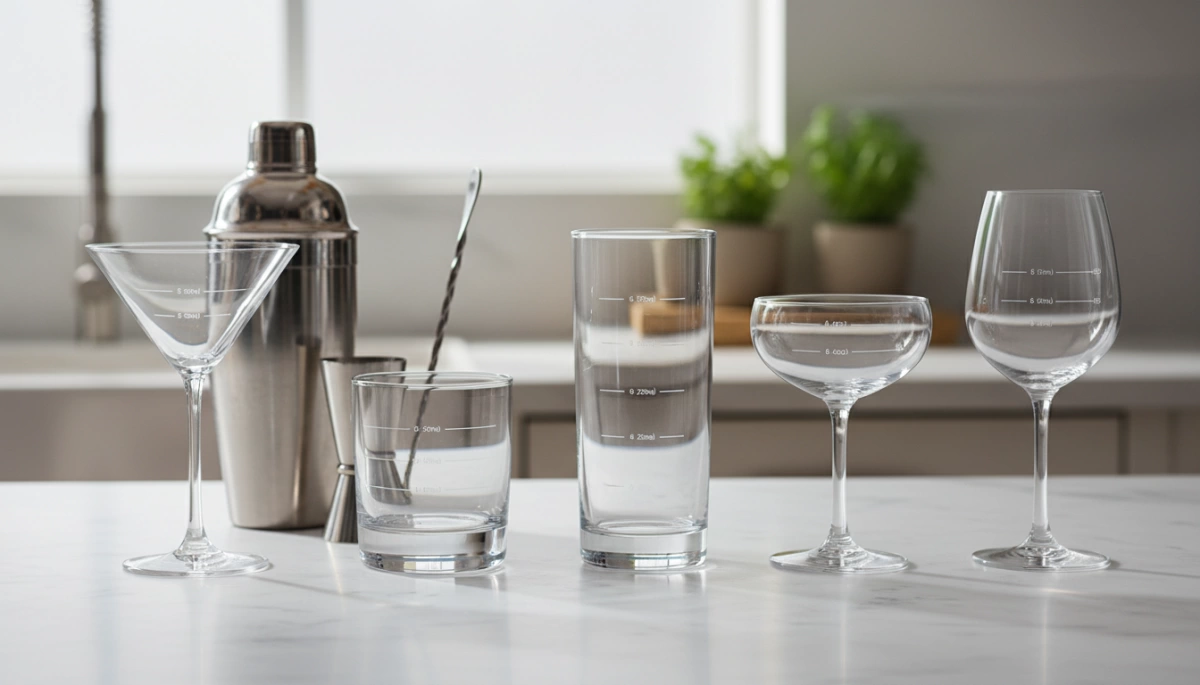
Understanding standard cocktail measures helps you pick the right martini glass, rocks glass, or collins glass for the job.
What is the Standard Cocktail Shot Size?
Before filling any glass, you need the right base measure. Global standards vary slightly, but here is what you will typically encounter:
- Standard Shot: 1.5 ounces (44 ml)
- Standard Jigger: 1.5 ounces on the large side, 0.75 ounces or 1 ounce on the small side.
- Double Shot: 3 ounces (89 ml)
Standard Cocktail Mixing Glass Sizes
When stirring drinks like a classic Martini or Manhattan, bartenders rely on specific mixing capacities to ensure proper chilling and dilution.
- Single Drink: A 16 oz to 18 oz mixing glass is the industry standard.
- Multiple Drinks: A 24 oz mixing glass comfortably handles two to three drinks at once.
Because mixing glasses take a lot of abuse from bar spoons and ice, minor wear and tear happens. If your barware takes a hit during a busy shift, understanding how do you fix a chipped drinking glass can safely extend the life of your equipment. Alternatively, for casual mixing, layered drinks, or serving large shaken cocktails, many modern bars have started using 16 oz can shaped glasses for their durability and unique presentation.
Traditional Cocktail Recipe Measurements
Classic cocktail recipes follow established ratios designed to fit perfectly into a standard cocktail glass size without overflowing.
| Ingredient Type | Standard Measurement | Best Glass Match |
|---|---|---|
| Base Spirit (Vodka, Gin, Whiskey) | 1.5 oz – 2.0 oz | Rocks Glass, Martini Glass |
| Liqueurs & Modifiers | 0.5 oz – 1.0 oz | Coupe Glass |
| Fresh Citrus Juices | 0.5 oz – 1.0 oz | Highball Glass |
| Sodas & Carbonated Mixers | 2.0 oz – 4.0 oz | Collins Glass |
Sticking to these traditional measurements ensures your cocktail maintains the correct flavor balance while perfectly hitting the ideal fill line on your glassware.
Common Cocktail Glasses and Their Standard Sizes
The standard cocktail glass size varies significantly depending on the drink’s intended volume, dilution rate, and aromatic profile. Understanding these specific dimensions ensures every pour meets professional hospitality standards while maximizing the drinking experience.
Martini and Coupe Glass Sizes
These iconic stemware pieces are engineered for “up” drinks—cocktails shaken or stirred with ice, then strained and served chilled without ice.
- Martini Glass: The traditional capacity ranges from 3 to 6 ounces (90–180 ml). While modern oversized variations can reach up to 10 ounces, the classic 4-to-5-ounce size remains the industry standard to ensure the cocktail is consumed while still perfectly cold.
- Coupe Glass: A standard coupe typically holds 5 to 7 ounces (150–210 ml). Its broad, shallow bowl makes it an increasingly popular and highly versatile choice. The curved rim prevents sloshing better than the V-shaped martini glass while still allowing complex aromatics to breathe beautifully.
Rocks and Old Fashioned Glass Dimensions
Also known as lowballs, these sturdy, thick-bottomed glasses are built for drinks served neat or over ice.
- Single Rocks Glass (Old Fashioned): Standard capacities sit tightly between 6 and 8 ounces (180–240 ml). This compact size is ideal for spirit-forward classics and neat pours, providing just enough room for the liquid and a single large ice cube.
- Double Old Fashioned (DOF) Glass: This larger format accommodates 10 to 14 ounces (300–415 ml). It is the preferred standard cocktail glass size for drinks that demand more aggressive muddling, extra ice, or a higher volume of liquid ingredients.
Highball and Collins Glass Capacities
Tall glassware is designed specifically for refreshing, “long” drinks that require a high ratio of non-alcoholic mixers to spirits, poured over plenty of ice.
| Glass Type | Standard Capacity (Ounces) | Standard Capacity (Milliliters) | Ideal Applications |
|---|---|---|---|
| Highball Glass | 8 – 12 oz | 240 – 350 ml | Gin & Tonics, Dark & Stormy, simple mixed drinks |
| Collins Glass | 10 – 14 oz | 300 – 415 ml | Tom Collins, Mojitos, layered sparkling cocktails |
While often used interchangeably, the Collins glass is traditionally taller and narrower than the highball glass. This specific cylindrical shape minimizes the surface area of the drink, effectively trapping carbonation to keep sodas and tonics fizzing longer.
As a premier cocktail glass manufacturer and supplier of everything from the classic martini glass to the elegant champagne flute, we know that precision matters.
Why Are Cocktail Glasses Shaped and Sized Differently?
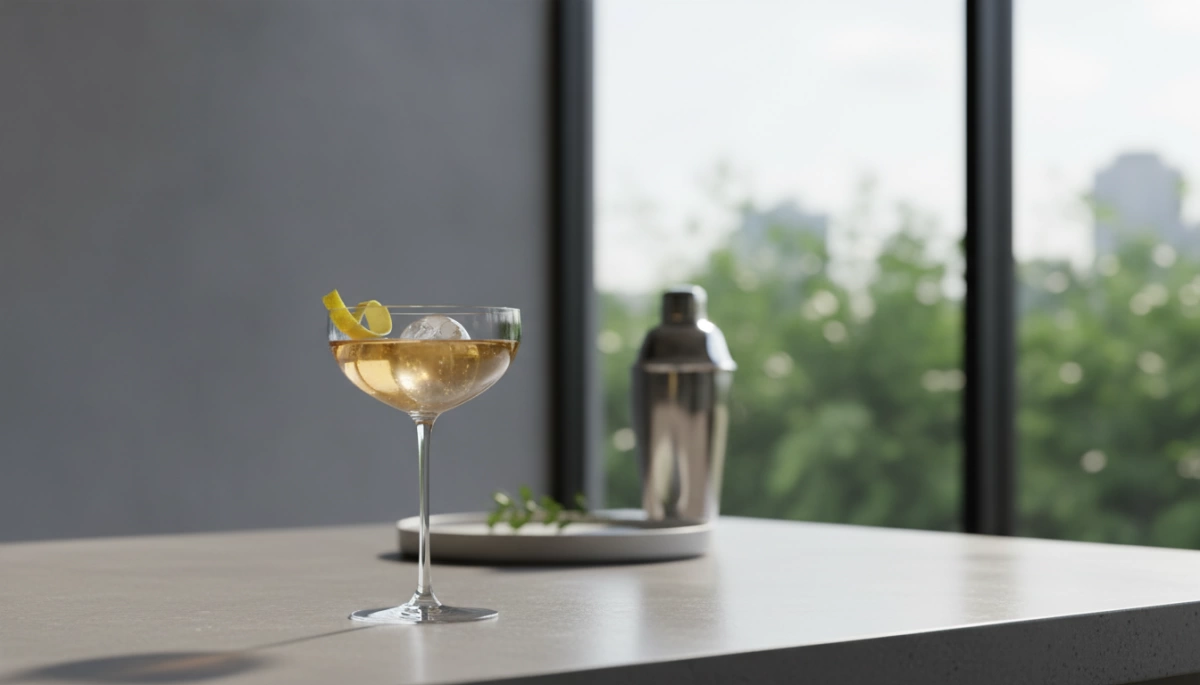
Glassware design goes far beyond aesthetics. The shape and standard cocktail glass size directly impact the drinking experience by controlling temperature, preserving carbonation, and enhancing aromas.
Matching Glass Size to Drink Type
Picking the right glass ensures the cocktail tastes exactly as the bartender intended. Here is how standard designs pair with different drink types:
| Glass Type | Typical Drink Profile | Why It Works |
|---|---|---|
| Martini Glass / Coupe Glass | Spirit-forward, served “up” (no ice) | The stem prevents hands from warming the drink, while a wide bowl enhances the aroma. |
| Highball Glass / Collins Glass | Mixed with lots of ice and soda | The tall, narrow shape minimizes surface area to keep bubbles trapped longer. |
| Rocks Glass | Served on the rocks, neat, or muddled | A sturdy base withstands muddling; the wide opening easily accommodates large ice cubes. |
| Champagne Flute | Bubbly, sparkling wine cocktails | The deeply narrow bowl preserves carbonation and keeps the drink crisp. |
The Most Versatile Glass for Cocktails
If you are outfitting a minimalist setup, the rocks glass (specifically the double old-fashioned) is the undisputed champion. Its standard cocktail glass size typically ranges from 10 to 12 ounces. It is large enough to handle heavy ice blocks and mixers, yet short and sturdy enough for neat spirits. The coupe glass takes a close second for anything shaken or stirred and served without ice, offering a spill-resistant alternative to the classic V-shaped martini glass.
Factors Influencing Glass Capacity
Several functional elements dictate the final capacity of a glass during our production process:
- Ice Volume: Drinks served over crushed ice or massive single cubes demand a higher capacity glass to prevent overflowing.
- Mixer Ratio: Tall drinks need extra room for sodas, tonics, or juices compared to concentrated spirits.
- Temperature Control: Smaller capacities (like a 5-ounce standard cocktail glass size for martinis) force the drink to be consumed while it is still ice-cold.
- Aromatics: A wider bowl leaves essential breathing room for the drinker to take in citrus garnishes and complex spirit aromas.
How to Choose the Perfect Cocktail Glass
Whether you are stocking a home cart or a busy commercial venue, picking the proper vessel elevates the entire drinking experience.
Finding the Ideal Glass for Home Bars
For home enthusiasts, versatility and shelf space are key. You do not need every shape available on the market. Start with the essentials that cover the majority of classic recipes.
- Rocks glass: Perfect for neat spirits, on-the-rocks pours, and short-built drinks.
- Coupe glass: The modern go-to for chilled drinks served “up” without ice.
- Highball glass: Essential for tall, refreshing mixed drinks with plenty of ice.
- Measuring tools: Accuracy matters at home. Reliable 2oz fluted shot glasses are perfect for measuring exact proportions or serving quick tastings.
Tips for Hospitality Professionals
In commercial settings, consistency, inventory management, and durability rule. Bars and restaurants need tough glasses that can handle rapid service and commercial dishwashers while looking pristine.
- Prioritize standard sizing: Using a standard cocktail glass size helps bartenders control pour costs and maintain recipe consistency.
- Match the menu: Stock specialized shapes like a classic martini glass, a tall collins glass, or an elegant champagne flute only if your menu specifically calls for them.
- Focus on the rim: Thinner rims offer a better sip but chip easier; find a reliable middle ground for high-volume service.
How Much Should a Cocktail Glass Be Filled?
A glass should never be filled to the absolute brim. The empty space left at the top is called the “wash line.” This gap prevents accidental spills when walking and allows the drinker to comfortably take in the cocktail’s aroma.
| Glass Type | Standard Capacity | Ideal Fill Volume | Wash Line (Empty Space) |
|---|---|---|---|
| Martini / Coupe | 5 – 7 oz | 4 – 5 oz | ~1/4 inch from rim |
| Rocks Glass | 8 – 10 oz | 6 – 8 oz (with ice) | ~1/2 inch from rim |
| Highball / Collins | 10 – 14 oz | 8 – 12 oz (with ice) | ~1/2 inch from rim |
Following these fill guidelines ensures your drinks look highly professional, taste perfectly balanced, and leave enough room for garnishes.
Frequently Asked Questions About Cocktail Sizes
We field a lot of questions regarding the standard cocktail glass size for different drinks. Whether you are stocking a home bar or outfitting a commercial venue, getting the capacity right matters. Here are the simple answers to the most common queries we receive.
Is a Classic Martini Always 3 Ounces?
Not anymore. While vintage bartending guides from the early 1900s often called for a strict 3-ounce pour, modern preferences have shifted.
- The Modern Pour: Today, a classic martini poured in a bar or restaurant usually ranges from 4 to 5 ounces.
- The Right Glass: To handle this volume gracefully, a standard martini glass or a curved coupe glass typically holds between 5 and 7 ounces. This extra space creates a buffer, leaving enough room for the chilled liquid and a garnish without spilling over the edge as you walk.
How Many Milliliters are in a Standard Cocktail?
The exact milliliter count depends entirely on the style of the drink and how much ice is used. However, you can generally break down standard cocktail volumes into three main categories:
- Short Drinks (90ml to 150ml): Spirit-forward drinks served “up” or poured over ice. These require a smaller standard cocktail glass size, fitting perfectly into a classic rocks glass or coupe.
- Tall Drinks (240ml to 350ml): Mixed drinks built over plenty of ice with a heavy mixer ratio (like soda or juice). These volumes require the vertical space of a highball glass or a taller collins glass.
- Sparkling Cocktails (120ml to 180ml): Champagne-based drinks where preserving carbonation is key. These are best served in a champagne flute.
Understanding these basic measurements ensures that your drink always looks perfectly proportioned to the glass it is served in.