
For a premium wine or spirits brand, a custom bottle earns its place when it adds something customers can recognise: a distinctive silhouette, a memorable decorative detail or a complete gift presentation. International sourcing is most useful when it helps create that difference and the finished pack supports the value of the product inside.
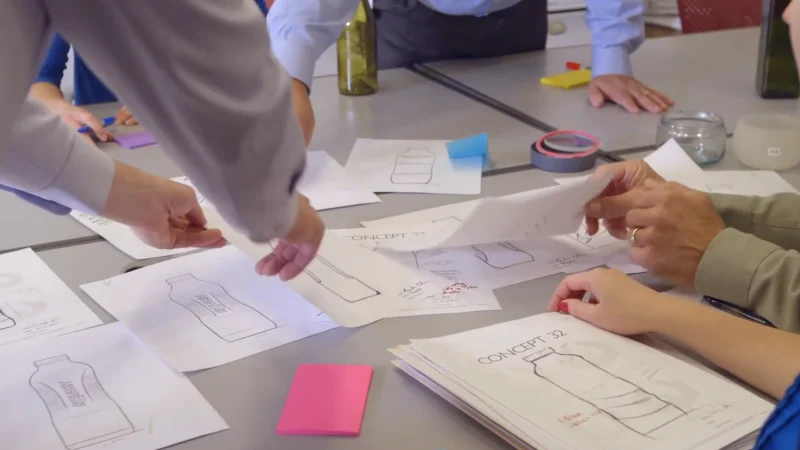
A specialty spirits release or a boutique sparkling wine can have a very different packaging brief from a price-led standard wine. Its buyer may want a shape that sets it apart from familiar local stock, a surface designed around a signature emblem or a coordinated bottle-and-box presentation. Those requirements give an overseas custom project a clear commercial purpose.
Recent industry news helps explain the distinction. On October 21, 2026, Ardagh Glass Packaging-Africa announced a new 835 g Méthode Cap Classique (MCC) bottle alongside 900 g alternatives. MCC is a sparkling-wine category. Ardagh described the engineering needed to reduce bottle weight while maintaining the performance required for that application. The announcement also mentioned much lighter still-wine bottles, but those belong to a different application. The buyer lesson is not “order the lightest bottle”: it is that shape, weight and performance are designed for a specific product.
For a brand developing its own presentation, that launch illustrates a useful principle: define what the bottle must achieve for the filled product, then develop its appearance and construction together. A buyer considering custom sourcing should also identify the distinctive feature that will make the project valuable at retail.
Start by excluding the obvious local purchase
For a conventional still-wine bottle, ask what the imported version changes. If the answer is only the price per empty bottle, the comparison is incomplete. Freight, protective packing, handling, import costs and the buyer’s order size all matter. When a local supplier has the same standard format nearby, an overseas merchant may have little room to create a better landed offer.
For a larger premium bottle, make that added value specific. A 700 ml spirits release might need a proprietary shoulder and front branding panel; a specialty wine project might combine a signature silhouette with an illustrated presentation box. Such choices give the buyer something meaningful to weigh against development and shipping costs. The capacity alone says little about whether the complete project is attractive.
Look for a reason the shelf can show
A specialty spirits brand may place real value on a bottle that buyers recognise at a glance. A shaped shoulder, distinctive base, relief detail or carefully planned glass surface can become part of the brand identity. A limited-release sparkling wine might call for a presentation that differs from local standard stock. The question is whether the change helps the brand charge and communicate more, not whether the bottle simply looks unusual in a rendering.
There are several levels of differentiation. A catalogue shape with a strong label and outer box may be enough for a first release. Decoration on an existing glass body can make a small range feel coherent. A new mould becomes relevant when the actual silhouette or structural detail is central to the brand and the project volume supports development. Those are different investment decisions. They should not be bundled together under the vague word “custom.”
Reihey’s customization service provides a route to explore logo treatments, glass design and coordinated presentation. Bring the brand’s visual references and the role of the bottle in the range, so the shape, finish, closure and outer packaging can be developed around one clear idea.
Design for the complete shipment
A dramatic bottle can be commercially disappointing if it wastes carton space or needs excessive protection. Buyers should review the bottle with its closure, label, inner packing and outer carton as one project. A specialty shape may be justified by the retail price of the filled product, but its shipping format still affects the proposal. This is particularly relevant when a bottle has wide shoulders, an irregular base or a prominent decorative feature.
Ask suppliers to show the physical sample and proposed packing arrangement. The buyer can then judge shelf presence and practical export handling together. There is no reliable universal freight percentage to attach to “lighter” or “custom” glass; the route, packed dimensions and actual order determine the calculation.
Keep wine, sparkling wine and spirits briefs separate
A distinctive shape does not remove the need to suit the contents and filling process. A still-wine bottle, a pressure-bearing sparkling-wine bottle and a spirits bottle should each be specified for their real application. A photo that looks suitable is not evidence of pressure performance, closure compatibility or line suitability.
For a custom discussion, the strongest buyer brief names the product category, fill volume, intended market, target visual identity, reference images, preferred closure concept, expected order scale and destination. A sparkling project should also set out its filling and performance requirements so that the correct engineering path can be considered. We would not take an ordinary catalogue bottle and relabel it as an MCC solution.
The right project for an overseas supplier
Local stock is often the right answer for a common, price-led 750 ml bottle. An overseas project makes more sense when the packaging itself adds value: a recognisable bottle, a differentiated premium release, a custom design that supports the brand’s pricing, or a coordinated range that local stock does not provide. That commercial filter makes the next discussion more productive for both sides.
For buyers exploring that route, Reihey’s custom packaging service is the appropriate starting point. Bring the design objective and the filled product’s market position, not only a target empty-bottle price. Then the bottle, decoration and export pack can be evaluated as one branded product.
Explore packaging options
Discuss your custom bottle project with Reihey. Share your bottle direction, branding concept and delivery market so we can discuss a coordinated packaging proposal.
