The short answer is a resounding yes—and amazingly, they are infinitely recyclable.
But what exactly happens after they leave your curb, and are you actually doing it right?
Well, you’re in for a treat because I’ve put together a complete guide to handling your glassware.
In this post, you’re going to learn exactly which everyday bottles and jars make the cut, how the recycling process actually works, and even some creative upcycling ideas to reuse them at home.
So if you’re looking to maximize your environmental impact and stop second-guessing your sorting, this guide is for you.
Are Glass Bottles Recyclable?
As a dedicated glass bottles manufacturer and supplier, we frequently address the most critical question in sustainable packaging: are glass bottles recyclable? The answer is an absolute yes. Glass is 100% recyclable and can be endlessly recycled without any degradation in purity or durability. Glass is one of the most sustainable materials available on the global market today, offering unparalleled environmental advantages.
Unlike plastics that degrade over time, a glass bottle can be melted down and reformed into a new container repeatedly with absolutely no loss of quality. This makes it a perfect closed-loop material.
Why Recycling Glass is Important
Traditional glass manufacturing relies heavily on extracting natural resources. The primary ingredients for making new glass include:
- Silica (sand)
- Soda ash
- Limestone
Glass recycling drastically reduces the need to mine, transport, and process these raw materials. By utilizing recycled glass (cullet) in our manufacturing processes, we protect natural landscapes and significantly lower the energy required to melt the materials in the furnace.
Environmental Benefits of Glass Recycling
The ecological impact of recycling glass is substantial. Implementing robust recycling practices yields measurable benefits for the environment and the global supply chain.
| Benefit Category | Environmental Impact |
|---|---|
| Energy Conservation | Melting recycled glass requires significantly less energy than melting raw materials. |
| Emission Reduction | Every ton of glass recycled prevents hundreds of pounds of carbon dioxide from entering the atmosphere. |
| Resource Preservation | One ton of recycled glass saves over a ton of raw materials (silica, soda ash, limestone). |
| Landfill Diversion | Recycling keeps non-biodegradable glass out of landfills, saving valuable space. |
Committing to glass recycling is a non-negotiable step toward global environmental sustainability.
What Types of Glass Can You Recycle?
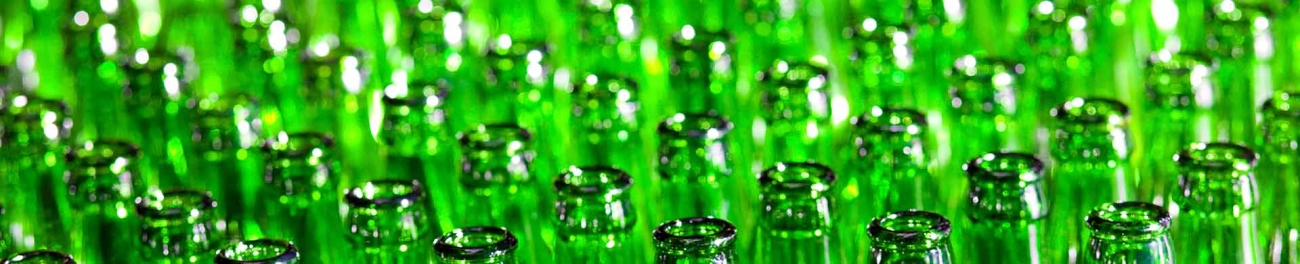
Whether a glass bottle can be recycled depends entirely on the type of glass. While standard packaging glass can be endlessly recycled with no loss of quality, not everything made of glass belongs in your curbside bin. Different glass products have different melting points and chemical compositions.
Accepted Glass: Everyday Bottles and Jars
These items are typically made from a simple mix of silica, soda ash, and limestone. You can confidently recycle:
- Beverage bottles: Soda, beer, wine, and juice bottles.
- Food jars: Condiment, jam, and baby food jars.
- Cosmetic and health containers: Items like standard clear glass essential oil bottles or skincare jars.
Always check your local facility guidelines, but generally, if it held food, drinks, or standard cosmetics, it is good to go.
Glass Items Not Accepted in the Bin
Certain glass products will contaminate the glass recycling process because they do not melt at the same temperature as standard bottles. Keep these items out of your recycling bin:
- Heat-resistant glass: Pyrex, ovenware, and lab glass.
- Treated glass: Mirrors, window panes, and windshields.
- Lighting: Incandescent, fluorescent, and LED lightbulbs.
- Drinkware: Crystal and standard drinking cups, such as embossed tea glasses, have different chemical makeups than packaging glass.
How to Handle Broken Glass Safely
Broken glass is a severe safety hazard for sanitation workers and sorting machines. Most local programs do not accept broken glass in standard recycling bins because the shards mix with paper and plastic, ruining those batches.
- Wrap it securely: Place the broken pieces inside several layers of thick newspaper or a sturdy cardboard box.
- Tape it shut: Seal the package completely so shards cannot slip out.
- Label and trash it: Write “Broken Glass” on the outside and place it in your regular garbage bin, never in the recycling.
Guidelines for Recycling Glass Bottles Properly
However, following the correct guidelines ensures these containers can be endlessly recycled with absolutely no loss of quality.
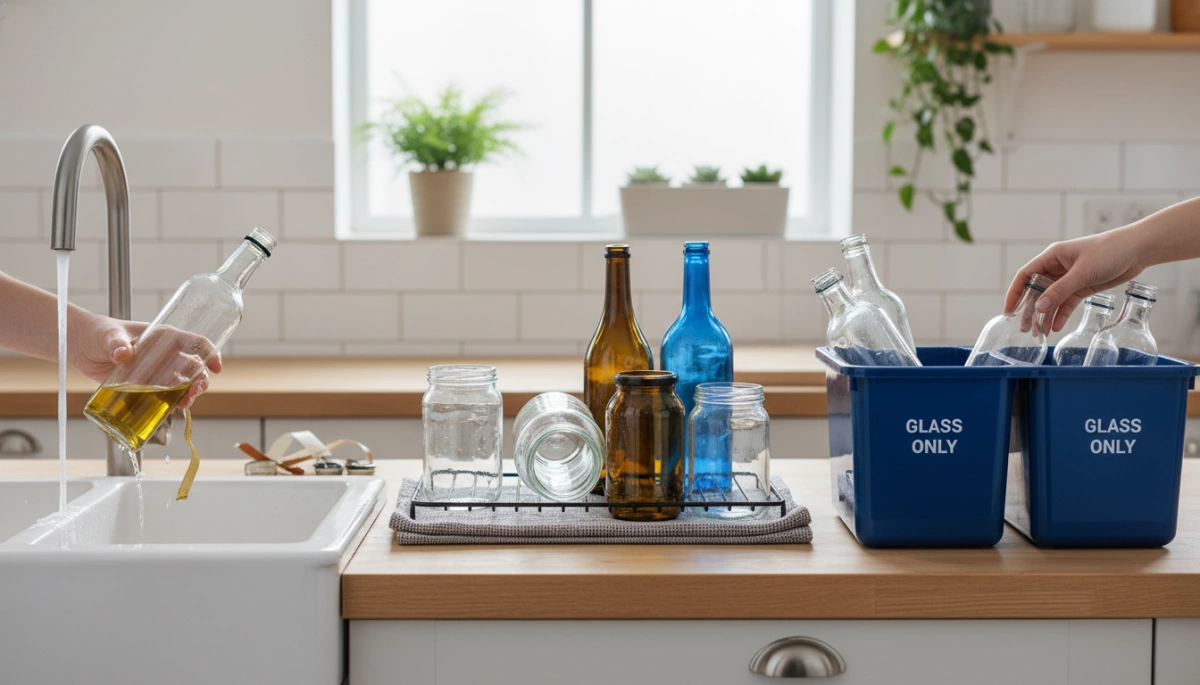
Empty and Rinse Your Bottles
You do not need to scrub your containers spotless, but taking a few seconds to clean them is mandatory for an efficient glass recycling process.
- Pour out contents: Ensure the bottle or jar is completely empty.
- Give it a quick rinse: Swirl some water inside to wash out leftover food, oils, or sugary drinks. This keeps pests away and prevents contamination.
- Leave the labels on: Modern recycling plants easily burn off paper and plastic labels during the high-heat melting process. Do not waste your time peeling them off.
What to Do with Caps, Lids, and Corks
Different materials must be separated to maintain the purity of the natural silica, soda ash, and limestone mix used to create new glass.
- Metal lids: Remove them from the jar. Metal closures, such as the aluminum caps on our 4oz round amber glass candle jars, can usually be recycled separately alongside your aluminum and tin cans.
- Plastic caps: Take these off. Some local programs accept loose plastic caps, but you must check your local guidelines first.
- Dispensing tops: Complex tops, like those found on our glass spice jars with rotating lids, should be removed and sorted according to your local municipal plastic rules.
- Corks: Natural corks belong in the compost bin or a dedicated cork drop-off station, not the glass recycling bin.
Redeeming Bottles for Deposit and CRV Refunds
Depending on your local region, tossing bottles straight into the curbside bin might mean throwing away money.
- Check the label: Look for refund values (such as CRV or deposit marks) printed on the bottle or label.
- Visit a return center: Take eligible beverage bottles to local supermarkets or dedicated redemption centers to claim your cash deposit back.
- Do not crush them: Reverse vending machines need to scan barcodes and recognize the bottle’s shape to issue a refund. Always keep deposit bottles intact.
How Is Glass Recycled?
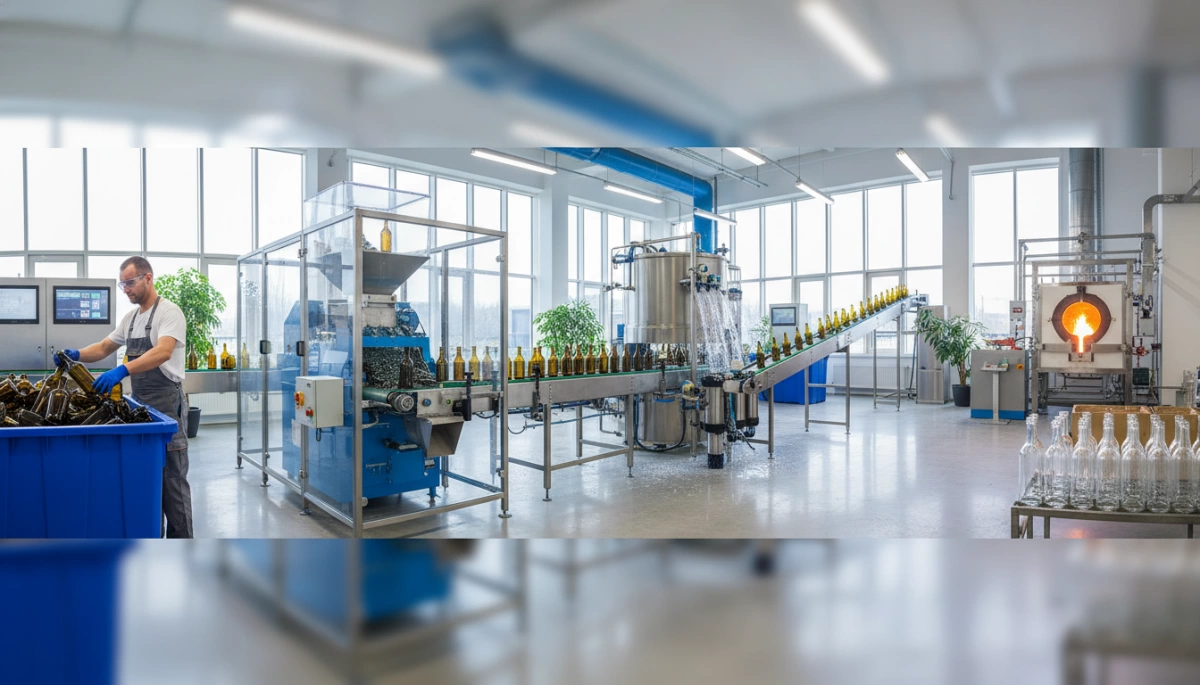
The journey of glass recycling is a highly efficient closed loop. Because glass can be endlessly recycled with no loss of quality, the process is both environmentally and economically valuable.
The Collection and Sorting Process
Once you place your empty containers in the bin, the glass recycling journey begins.
- Collection: Trucks transport the materials from drop-off centers or curbside bins to a material recovery facility.
- Sorting: Glass is separated by color—typically clear, brown, and green. This step is crucial because mixing colors can alter the chemical composition and weaken the final product.
- Cleaning: Advanced machinery removes contaminants like paper labels, plastic rings, and metal caps.
Melting and Remanufacturing
The cleaned, sorted glass is crushed into small pieces known as “cullet.” Using cullet requires significantly less energy than creating glass entirely from scratch. The cullet is mixed with natural raw materials, specifically silica, soda ash, and limestone. This exact mixture is then fed into a massive furnace and heated to temperatures exceeding 2,600°F until it becomes a molten liquid.
Products Made from Recycled Glass
Once melted, the liquid glass is quickly cut, dropped into molds, and blown into new shapes. Within just a few weeks, old containers are reborn as new food jars, beverage bottles, or durable drinkware like 13oz pilsner beer glasses. Beyond everyday packaging, recycled glass is also heavily repurposed into fiberglass insulation, construction materials, and decorative tiles.
Alternative Ideas: Reusing Glass Bottles
There is an even greener option: reusing them. As a glass bottles manufacturer and supplier, we engineer our products for extreme durability, making them perfect for a second, third, or hundredth life in your home or business.
Why Reuse is Greater Than Recycling
Recycling is fantastic because glass can be endlessly recycled with no loss of quality. However, the recycling process still requires significant heat and energy to melt down raw materials like silica, soda ash, and limestone.
Reusing a bottle skips the factory entirely.
- Zero energy required: Washing a bottle uses a fraction of the resources needed to melt and remanufacture it.
- Zero emissions: No transportation to recycling facilities or emissions from industrial furnaces.
- Maximum lifespan: Reusing keeps a perfectly good container functional for years before it ever needs to hit the recycling bin.
Repurposing Empty Bottles as Vases
One of the easiest ways to reuse glass is by turning empty containers into table centerpieces. A clean, label-free bottle offers a sleek, minimalist aesthetic. For example, simply washing out a clear food-grade square juice bottle instantly provides you with a modern, elegant flower vase for your living room, desk, or event space. It is a zero-cost upgrade that breathes new life into the container.
Creative Upcycling Ideas for Households and Businesses
Beyond simple vases, there are countless practical ways to keep glass in active circulation.
For the Home:
- DIY Candles: Pour melted leftover wax and a wick into a clean container. A colored straight-sided glass jar is the perfect vessel for pouring custom homemade candles.
- Pantry Storage: Store bulk dry goods like rice, pasta, or coffee beans in large jars to keep food fresh and pantry pests away.
- Hardware Sorting: Use small beverage bottles to organize nails, screws, and washers in the garage.
For Businesses:
- Table Service: Cafes and restaurants can wash and reuse uniform liquor or wine bottles as rustic water carafes for guest tables.
- Retail Displays: Shops can use uniquely shaped bottles to display layered colored sand, bath salts, or visual merchandising elements.
- Propagating Plants: Nurseries and offices can use narrow-neck bottles as propagation stations for plant clippings.
FAQs
Here are some of the most common questions we get asked about glass recycling:
- How many times can glass be recycled?
Glass can be endlessly recycled with absolutely no loss of quality. Whether it is recycled once or a hundred times, the structural integrity remains exactly the same. - What exactly are glass bottles made of?
Glass is made from natural, abundant raw materials. The primary ingredients are silica (sand), soda ash, and limestone. - Can I put broken glass in the recycling bin?
Usually, no. Broken glass is dangerous for sanitation workers and can contaminate other recyclables like paper. If you have a damaged item that you want to save, you might want to look into how do you fix a chipped drinking glass to extend its life. Otherwise, wrap broken pieces securely in thick paper before putting them in your regular trash. - Do I need to remove the labels before recycling?
In most local recycling programs, you do not need to remove paper or plastic labels. The extreme heat of the melting process easily burns off any leftover labels and adhesive residue. Just make sure the bottle is empty and lightly rinsed.