Perfume Bottle Sizes: Milliliters (ml) vs. Fluid Ounces (fl. oz.)
Navigating the world of fragrance packaging requires a clear understanding of volume measurements. When selecting or manufacturing a perfume bottle, consumers and businesses alike encounter two primary units of measurement: milliliters (ml) and fluid ounces (fl. oz.). Mastering these metrics is essential for accurate inventory management, global trade compliance, and consumer clarity.
What Do ‘ml’ and ‘fl. oz.’ Signify on Perfume Packaging?
These two labels indicate the exact volume or liquid capacity of the fragrance inside the container.
-
- Milliliters (ml): Part of the metric system, this is the standard unit of measurement utilized globally. It offers highly precise increments for liquid capacity classification, making it the preferred choice for international manufacturing and compliance.
- Fluid Ounces (fl. oz.): Part of the imperial system, this measurement is predominantly used in the United States. On fragrance packaging, you will typically see “US fl. oz.” to specify the liquid volume, distinguishing it from weight ounces.
How to Convert Fluid Ounces to Milliliters
For seamless global distribution and consumer transparency, converting between these measurement units must be precise. The standard industry conversion factor is 1 fl. oz. ≈ 29.57 ml, which brands usually round to 30ml for clean product labeling.
Use this quick size chart reference for standard industry conversions:
| Fluid Ounces (fl. oz.) | Exact Milliliters (ml) | Standard Industry Rounding |
|---|---|---|
| 0.5 fl. oz. | 14.78 ml | 15 ml (Travel size) |
| 1.0 fl. oz. | 29.57 ml | 30 ml |
| 1.7 fl. oz. | 50.27 ml | 50 ml |
| 3.4 fl. oz. | 100.55 ml | 100 ml |
Why Choosing the Right Perfume Bottle Size Matters
Selecting the optimal perfume bottle dimensions impacts everything from supply chain logistics to consumer satisfaction. For brands purchasing wholesale components or sourcing from a dedicated glass manufacturer, the right sizing strategy directly influences market success.
-
- Targeted Product Tiering: Offering a diverse range of sizes—from an entry-level sample size to a premium bulk volume—allows brands to capture different consumer segments.
- Shipping and Logistics Efficiency: Standardized dimensions ensure optimized packing configurations, reducing transit breakage and minimizing shipping costs.
- Consumer Alignment: Buyers choose sizes based on their specific lifestyle needs, whether they require a compact option for travel portability or a large, striking vanity piece for daily use.
Perfume Bottle Size Chart and Conversion
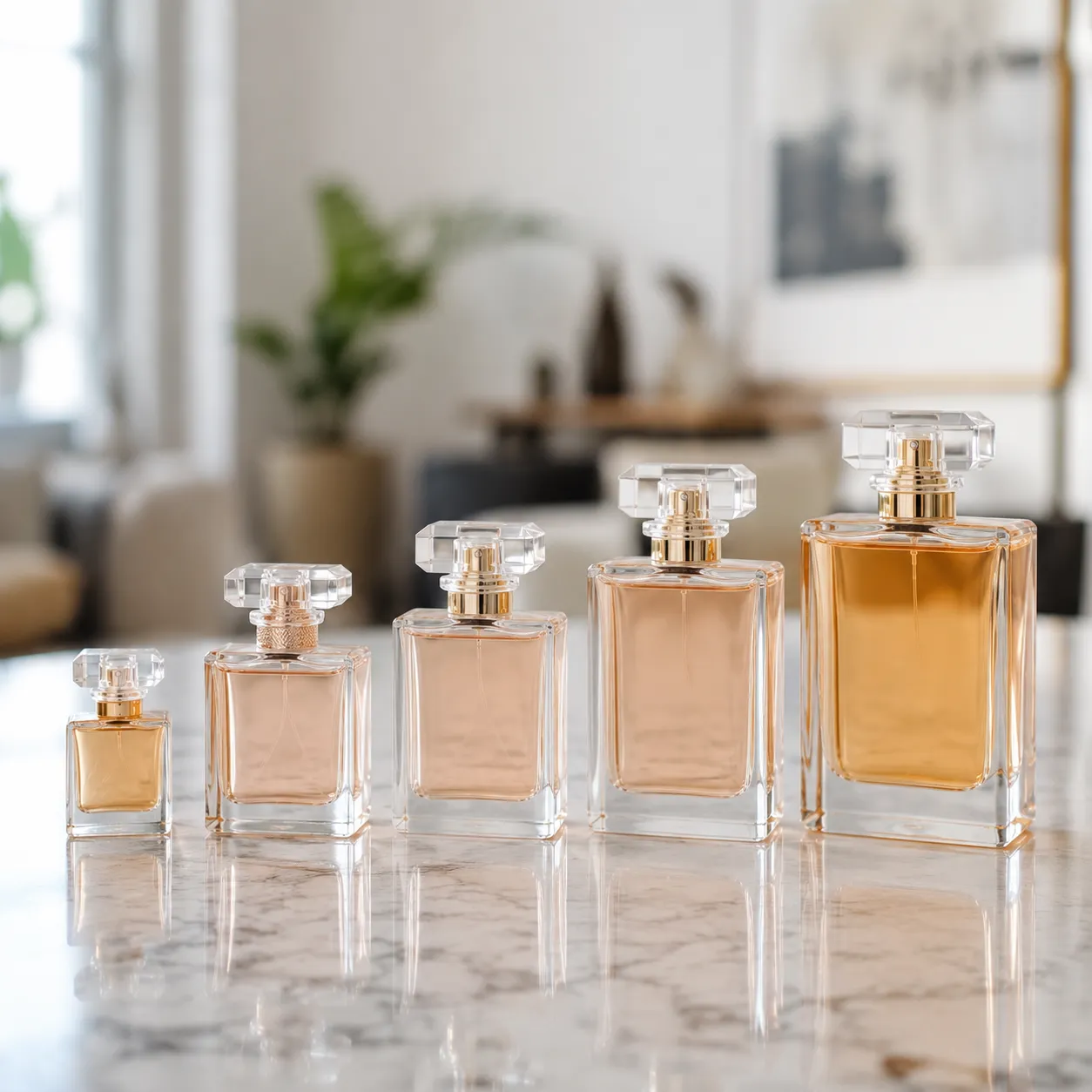
Understanding the relationship between milliliters and fluid ounces helps you make smart buying decisions, whether you are sourcing in bulk or purchasing a personal scent. As a premier glass jar manufacturer, we know that precision in volume and capacity classification is essential for both product design and consumer satisfaction.
Standard Metric and Imperial Size Chart
This quick-reference chart simplifies the comparison between metric (ml) and imperial (fl. oz.) measurements, outlining standard industry capacities for a global market.
| Milliliters (ml) | Fluid Ounces (fl. oz.) | Size Classification |
|---|---|---|
| 1 ml – 5 ml | 0.03 oz – 0.17 oz | Sample / Vial |
| 10 ml – 15 ml | 0.34 oz – 0.5 oz | Travel Size / Rollerball |
| 30 ml | 1.0 oz | Small / Pocket Size |
| 50 ml | 1.7 oz | Medium / Standard |
| 100 ml | 3.4 oz | Large / Retail Standard |
| 200 ml + | 6.8 oz + | Luxury / Wholesale Bulk |
Estimated Number of Sprays per Bottle Size
The total volume directly dictates how many uses you get out of a single perfume bottle. On average, a standard atomizer dispenses roughly 10 to 12 sprays per milliliter.
-
- 10 ml Travel Size: ~100 to 120 sprays
- 30 ml Bottle: ~300 to 360 sprays
- 50 ml Bottle: ~500 to 600 sprays
- 100 ml Bottle: ~1,000 to 1,200 sprays
How Long Does Each Perfume Bottle Size Typically Last?
How long your fragrance lasts depends on your daily application habits. Assuming a standard usage of 3 sprays per day, here is the expected lifespan for each bottle size:
-
- 30 ml (1.0 oz): Lasts about 3 to 4 months of continuous daily use. It is the perfect option for testing a new signature scent.
- 50 ml (1.7 oz): Lasts roughly 5 to 6 months. This size strikes the ideal balance between lifestyle portability and long-term value.
- 100 ml (3.4 oz): Lasts between 9 to 12 months. This is the most cost-effective choice for daily staple fragrances that you wear year-round.
A Complete Breakdown of Popular Perfume Bottle Sizes
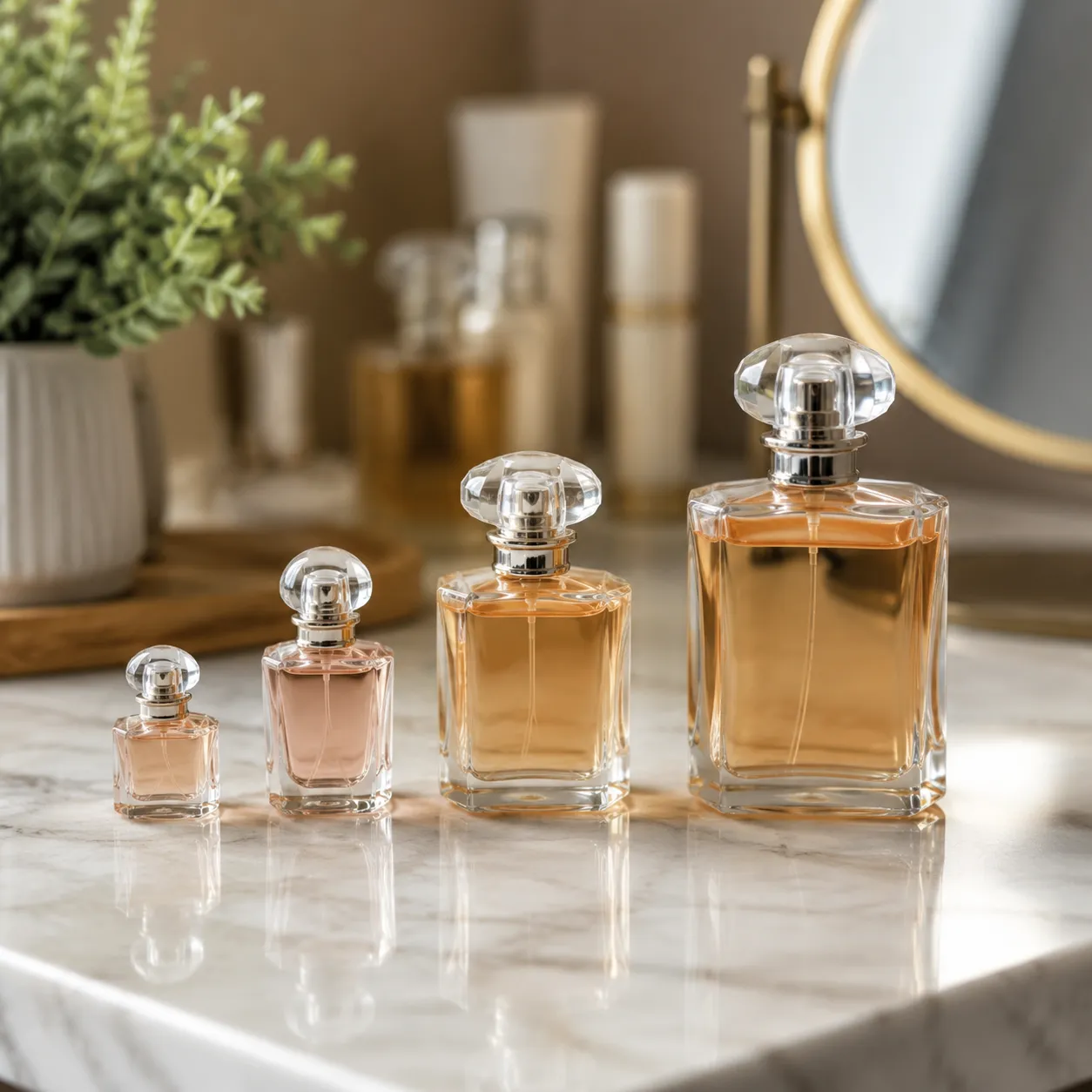
Choosing the right capacity classification for a perfume bottle impacts everything from your daily routine to your budget. We manufacture and supply a wide variety of glass bottles, and we know that understanding standard volumes helps you make the right choice for your lifestyle or your product line.
Sample and Travel Sizes (1ml to 15ml)
These micro-volumes are all about portability and experimentation. Ranging from tiny 1ml to 3ml vials up to 10ml and 15ml travel size rollers and sprays, this category is perfect for testing new scents before committing to a full-sized wholesale purchase.
-
- Best For: Turning a fragrance into a portable travel companion, gifting, and discovery sets.
- Pros: Fits easily into pockets or small bags; TSA-approved for flights.
- Cons: High cost-per-milliliter; runs out quickly if used daily.
Small Perfume Bottles (30ml / 1 oz)
The 30ml (1 fl oz) bottle is the smallest standard retail size available. It strikes a great balance between a functional amount of juice and a compact physical footprint.
-
- Ideal Usage: For people who like to rotate between multiple scents or want a premium fragrance without paying the upfront cost of a massive bottle.
- Design Advantage: Glass jars and bottles in this size often feature beautiful, intricate detailing while remaining highly portable.
Medium and Standard Sizes (50ml to 100ml / 1.7 oz to 3.4 oz)
This is the industry sweet spot and the most common retail volume. The 50ml (1.7 fl oz) and 100ml (3.4 fl oz) sizes represent the benchmark for global fragrance packaging.
| Bottle Size | Fluid Ounces (fl oz) | Typical Lifespan (Daily Use) |
|---|---|---|
| 50ml | 1.7 fl oz | 3 to 5 months |
| 100ml | 3.4 fl oz | 6 to 9 months |
Our bulk clients heavily favor these dimensions because they offer the best balance of shelf presence, consumer value, and manageable storage. A 100ml bottle is also typically the maximum allowed limit for carry-on luggage on international flights.
Large and Luxury Sizes (125ml to 250ml+)
When you move into the 125ml, 200ml, and 250ml+ territory, you are dealing with value-sized offerings and luxury flagship editions.
-
- Value Proposition: Buying bulk fluid ounces reduces the overall packaging cost, passing the savings down to your wallet.
- Best For: Your signature, everyday scent that you know you will not get tired of.
- Considerations: These heavy glass structures are purely meant for your vanity or dresser—they are too bulky for travel and run a higher risk of spoiling if left unused for years.
Pros and Cons of Exploring Perfume Bottle Size Options
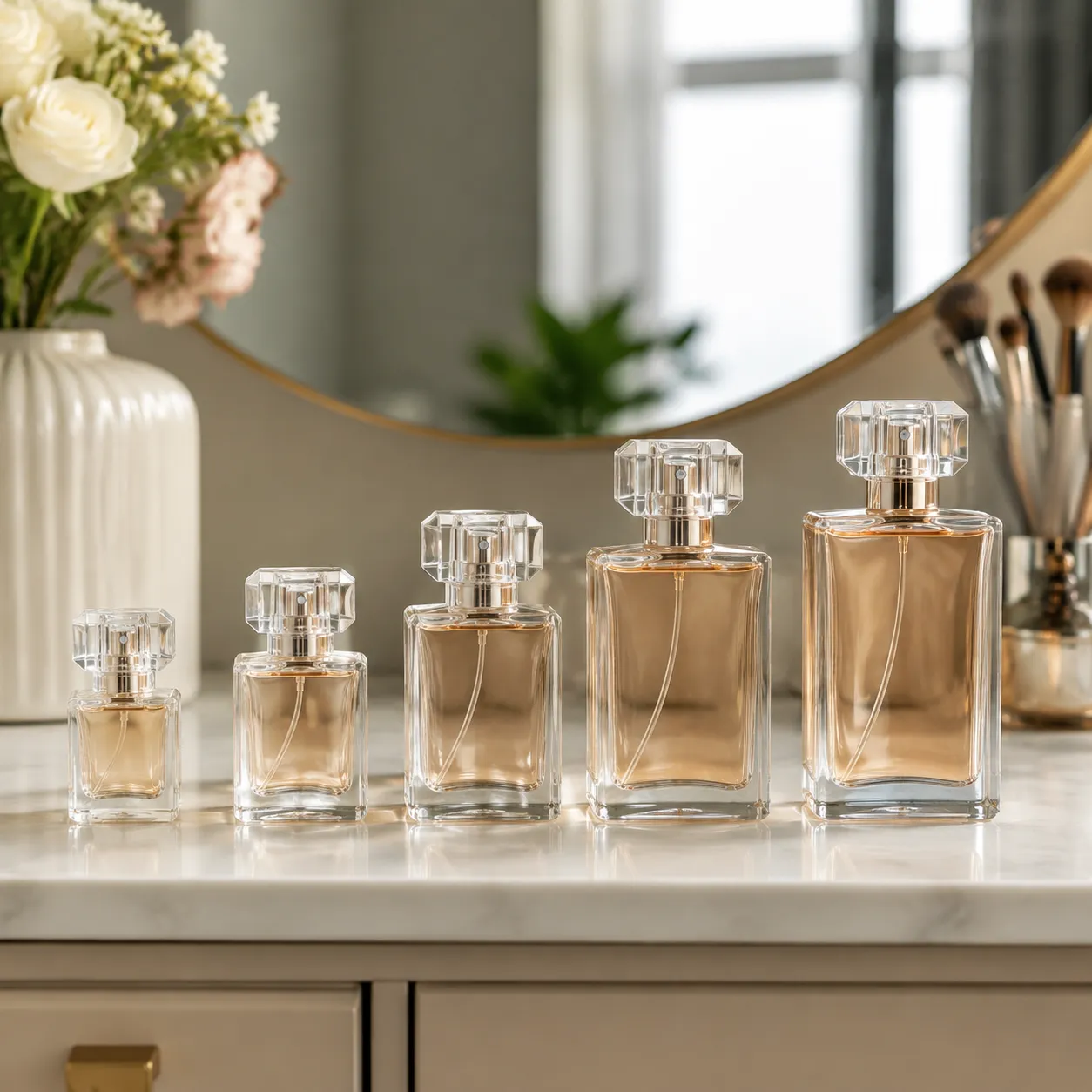
Choosing the right perfume bottle size comes down to balancing your budget, usage habits, and lifestyle needs. Here is a direct breakdown of how different capacities stack up against each other.
Advantages and Disadvantages of Smaller Bottles
Smaller bottles (typically 1ml to 15ml travel size or sample size options) offer high portability but come with a higher cost-per-milliliter.
- Pros:
- Maximum Portability: Easy to slip into a purse, pocket, or carry-on bag for quick touch-ups.
- Low Risk: Perfect for testing a new scent profile before committing to a full-size purchase.
- Freshness: You will easily finish the volume before the fragrance starts to oxidize.
- Cons:
- Poor Value: Highest price point per milliliter compared to larger options.
- Frequent Replacements: Runs out quickly if used as a daily signature scent.
Evaluating Medium-Sized Bottles: Finding the Sweet Spot
The 30ml to 50ml range represents the ideal middle ground for the average consumer, offering a balanced capacity classification.
| Feature | 30ml / 50ml Medium Bottles |
|---|---|
| Value for Money | Moderate; better than travel sizes, cheaper entry point than large sizes. |
| Lifespan | Lasts several months with daily use. |
| Portability | Reasonable; still manageable for luggage or vanity storage. |
| Risk Level | Low to moderate; safe investment for seasonal scents. |
The Benefits and Drawbacks of Buying Large Value Bottles
When you choose a large 100ml to 250ml+ perfume bottle, you are prioritizing long-term savings and bulk value over flexibility.
- Pros:
- Best Financial Value: Offers the lowest cost per fluid ounces (fl oz), making it the smartest choice for signature scents.
- Long-Lasting Supply: A single bottle can easily last a year or more, eliminating the need for frequent reordering.
- Cons:
- High Upfront Cost: Requires a significant initial investment.
- Storage Risks: Large milliliters capacities are exposed to air for longer periods, increasing the risk of scent degradation over time if not stored properly.
- Bulky Design: Not travel-friendly and takes up significant space on a vanity.
How Fragrance Concentration Influences Perfume Bottle Size Selection
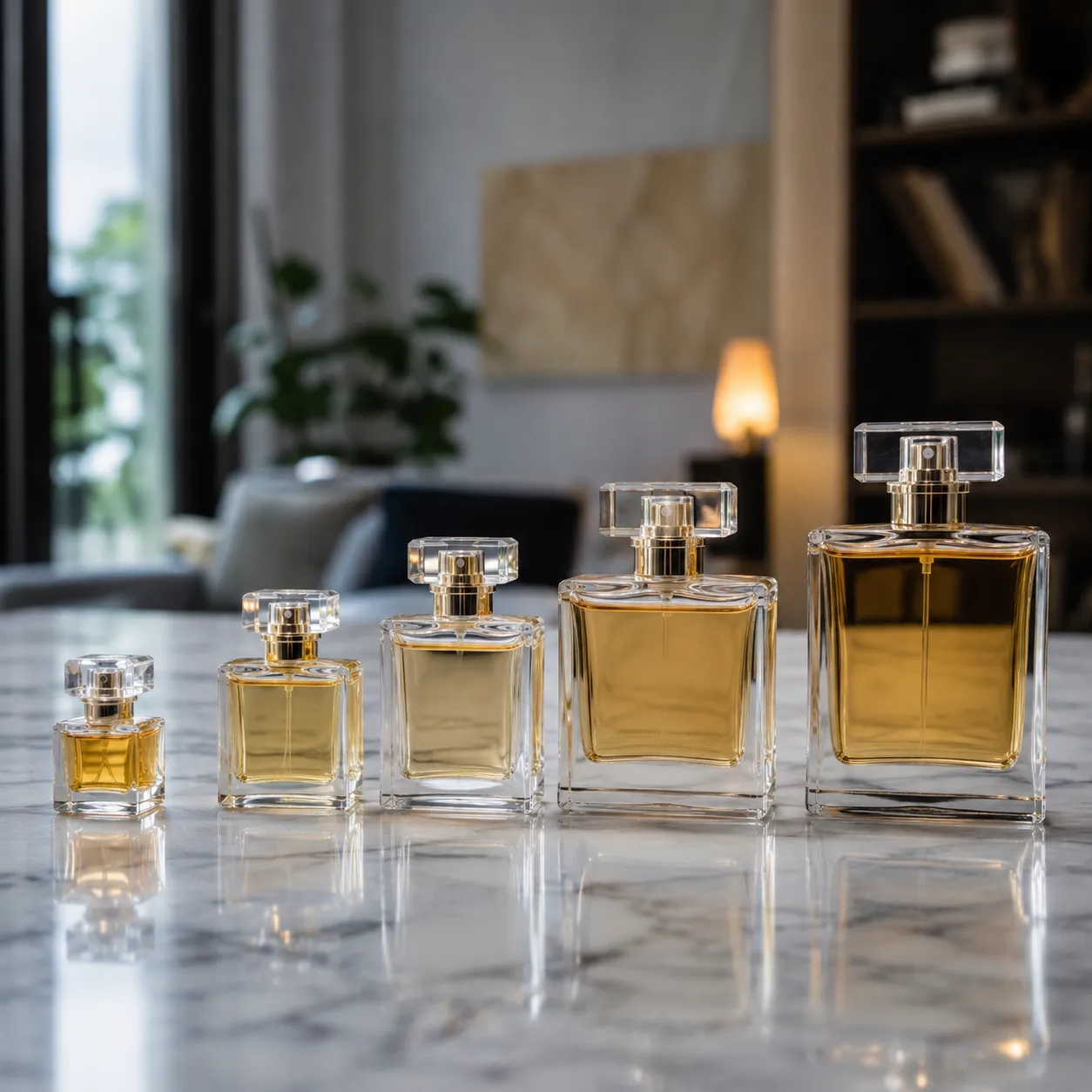
When exploring perfume bottle size options, fragrance concentration plays a massive role in deciding which capacity makes the most sense. The concentration determines how much pure perfume oil is mixed with alcohol, directly impacting how long the scent lasts on your skin and how many sprays you need throughout the day.
Parfum and Eau de Parfum (EDP)
-
- Oil Concentration: 15% to 40%
- Scent Longevity: 6 to 8+ hours
- Best Bottle Size Fit: Smaller bottles (30ml to 50ml / 1 fl oz to 1.7 fl oz)
Parfum and Eau de Parfum (EDP) are highly concentrated, potent, and rich. Since you only need one or two sprays for the scent to linger all day, a small volume goes a very long way. Opting for a compact travel size or a 30ml bottle ensures you finish the product before the precious oils begin to oxidize. If you are a brand looking to launch a luxury EDP line, sourcing smaller, high-end glass perfume bottle designs ensures your customers get the freshest experience.
Eau de Toilette (EDT)
-
- Oil Concentration: 5% to 15%
- Scent Longevity: 3 to 5 hours
- Best Bottle Size Fit: Medium bottles (50ml to 100ml / 1.7 fl oz to 3.4 fl oz)
Eau de Toilette (EDT) is the most popular capacity classification for everyday wear. Because the formula is lighter, you will likely apply more sprays per use or reapply it midday. Medium-sized milliliters options hit the perfect sweet spot here. It offers the right balance of daily utility without the risk of the fragrance expiring before you can empty the bottle.
Eau de Cologne (EDC) and Eau Fraîche
-
- Oil Concentration: 1% to 5%
- Scent Longevity: 1 to 2 hours
- Best Bottle Size Fit: Large or bulk sizes (100ml to 250ml+)
Eau de Cologne and Eau Fraîche are designed for a quick, cooling refresh. Because they fade rapidly, heavy usage is expected. Buying these lighter concentrations in larger volumes yields the best cost-per-milliliter value. As a leading glass manufacturer, we always recommend that brands packaging EDCs look into wholesale purchasing of larger, durable glass vessels to match this high-frequency consumption behavior.
Factors to Consider When Exploring Perfume Bottle Size
Choosing the right volume depends heavily on how a fragrance fits into your daily routine. Exploring perfume bottle size options allows you to match your purchasing habits with actual usage, ensuring no liquid goes to waste.
Usage Frequency and Fragrance Variety
Your signature scent strategy dictates the ideal capacity classification for your collection. If you wear one specific scent every single day, buying in bulk or selecting larger bottles makes the most sense.
-
- Daily Scent: Opt for larger volumes if a single fragrance defines your personal style.
- Fragrance Wardrobe: If you love rotating between different profiles, stick to smaller milliliters to prevent your collection from expiring before you can finish it.
Portability, Travel Needs, and Lifestyle
Your lifestyle directly impacts the volume you should carry. Heavy glass isn’t practical for an active, on-the-go routine.
-
- Commuters & Travelers: A compact travel size or sample size fits perfectly into gym bags, purses, and carry-on luggage.
- TSA Compliance: Keep in mind that airport security requires liquids to be under 3.4 fluid ounces (fl oz).
- Vanity Display: Larger, custom-designed perfume bottle options are best reserved for stationary display on your dresser.
Budget and Value for Money (Cost-Per-Milliliter)
A quick comparative analysis of pricing reveals that initial costs can be deceiving. While smaller options cost less upfront, larger volumes offer much better long-term value.
| Bottle Size | Upfront Cost | Cost-Per-Milliliter | Best For |
|---|---|---|---|
| Small (Under 30ml) | Low | High | Testing, Budgeting |
| Medium (50ml) | Moderate | Medium | Balanced Use |
| Large (100ml+) | High | Low | Maximum Value |
When you choose a larger bottle, the price per milliliter drops significantly, making it the smartest financial move for long-term staples.
Storage Conditions, Exposure to Air, and Shelf Life
Every time you spray a perfume bottle, air enters the chamber. This oxygen exposure slowly degrades the juice inside over time.
-
- Oxidation Risk: Large bottles take longer to finish, meaning the liquid sits with oxygen longer, which can alter the scent profile.
- Proper Storage: To extend shelf life, keep all sizes away from direct sunlight, humidity, and extreme temperature shifts.
- The Rule of Thumb: If you cannot finish a large bottle within two to three years, a smaller volume is the safer investment to preserve fragrance integrity.
How Perfume Brands Select and Customize Bottle Sizes
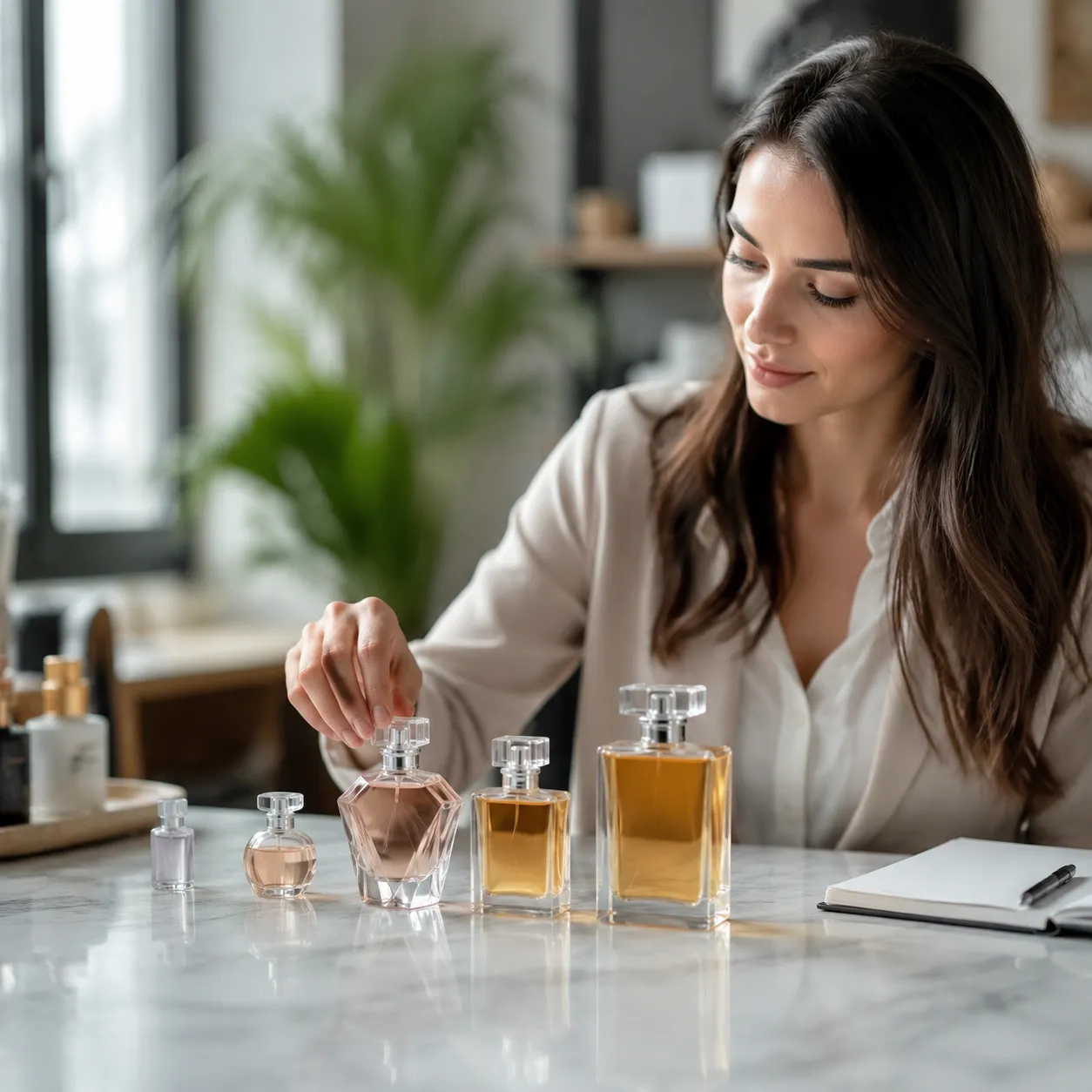
Target Audience, Pricing, and Product Line Strategy
When we develop a fragrance line, exploring perfume bottle size options is a core part of our business strategy. We align every volume and capacity classification with specific buyer demographics and pricing tiers to maximize market reach.
-
- Entry-Level Consumers: We offer smaller sample size and travel size options (1ml to 15ml) to lower the barrier to entry, allowing customers to test scents without a major financial commitment.
- Daily Users: Our 50ml and 100ml bottles target the core market, balancing a fair price point with a sustainable supply for daily wear.
- Collectors and Wholesale Buyers: For luxury lines or high-volume buyers, larger options offer a better cost-per-milliliter value, allowing brands to capture both retail and bulk commercial segments.
Custom Shapes, Materials, and Aesthetic Designs
The physical presentation of a perfume bottle is just as critical as the scent inside. The choice of materials and shape directly reflects the brand’s identity and influences shelf appeal.
-
- Premium Glass Manufacturing: As an established manufacturer, we use high-grade, durable glass that preserves the chemical integrity of the fragrance while offering pristine clarity.
- Aesthetic Customization: We engineer custom molds, unique geometries, and varying glass thicknesses to create distinct silhouettes. A heavier base communicates luxury, while sleek, compact designs cater to modern, minimalist aesthetics.
- Cohesive Product Lines: Just as we apply strict design standards to our best spice jars and closure systems, our perfume packaging relies on precise ergonomics and leak-proof finishes to ensure a premium user experience worldwide.
Frequently Asked Questions About Perfume Bottle Sizes
What is the most common perfume bottle size?
The standard industry benchmark for a regular Perfume Bottle is 100ml (3.4 fl oz). It represents the sweet spot for both brands and consumers worldwide, balancing longevity with a reasonable price point.
For a quick comparative analysis of standard market sizes, see the breakdown below:
| Bottle Classification | Volume in Milliliters (ml) | Volume in Fluid Ounces (fl oz) | Primary Use Case |
|---|---|---|---|
| Sample Size | 1ml – 5ml | 0.03 – 0.17 fl oz | Testing & Discovery |
| Travel Size | 10ml – 15ml | 0.34 – 0.5 fl oz | On-the-go / Travel |
| Small/Standard | 30ml – 50ml | 1.0 – 1.7 fl oz | Occasional Use |
| Most Common | 100ml | 3.4 fl oz | Daily Signature Scent |
| Bulk / Luxury | 150ml – 250ml+ | 5.0 – 8.5+ fl oz | Long-term Value Collection |
Is a larger perfume bottle always a better financial value?
Not always. While buying bulk capacities like 100ml or 200ml offers a lower cost-per-milliliter, the actual value depends entirely on your usage habits.
-
- Choose Larger Bottles If: You have a single signature scent that you spray daily. The price per fluid ounce drops significantly in bigger glass vessels.
- Choose Smaller Bottles If: You love a diverse fragrance wardrobe. If a large bottle sits unused for years, the juice degrades, turning your financial savings into waste.
How do I properly store different sizes of perfume to preserve shelf life?
The capacity classification of your Perfume Bottle directly impacts its vulnerability to degradation. Oxygen is the enemy of fragrance; as you use the liquid, air fills the empty space, accelerating oxidation.
-
- For Large Value Bottles: Keep them in their original boxes. Store them in a cool, dark, and dry environment (never the bathroom) to maximize their shelf life.
- For Travel and Sample Sizes: These are highly portable but often experience more temperature fluctuations. Keep them away from direct sunlight and use them within 6 to 12 months for peak freshness.