A limited-edition launch can use a stock glass perfume bottle with a distinctive label, print or presentation pack. For an independent fragrance brand’s product development manager, the first decision is how much packaging cash the release can carry, including components left after the launch. At Reihey, we can review a proposed bottle, closure, decoration and destination together, then identify the configurations that need a current stock check, quotation or sample.
Start with four quantities. Set the number of finished perfumes offered for sale, the empty bottles to purchase, the quantity of each decoration run and the likely replenishment demand. These quantities often differ. A supplier’s minimum for a cap or a coated finish can determine the cash commitment even when the glass body already exists.

What Argos’s 100-bottle return tells a packaging buyer
In its November 26, 2026 holiday gift guide, Argos announced the return of Midas Touch 24K Limited Edition with 100 bottles available for that release and excluded it from the Black Friday promotion. Its original launch article dates Midas Touch to October 30, 2025 and describes weighted glass and an engraved plaque. The brand places the gold flakes in the fragrance.
For a buyer planning a similar release size, the useful question is how the packaging order supports the sales plan. The announcement gives a retail availability figure. It leaves the empty-bottle order, production quantities and glass decoration process undisclosed. Our analysis concerns the economics of your own packaging brief. Each project needs its own specification and supplier evidence.
Build the quantity plan before choosing a finish
- Launch quantity L. Finished units you intend to offer for sale, excluding testers, press samples and retained samples.
- Production requirement. Add those non-sale units and an allowance agreed with the filler for rejects and filling loss.
- Component purchase quantity Q. For each bottle, pump, cap, label and box, apply its minimum, ordering increment and expected usable yield.
- 12-month demand D. Record a conservative forecast and the conditions under which you would reorder. Treat future demand as a scenario until orders justify it.
For illustration, a 100-unit release using 500 purchased caps leaves up to 400 caps after the saleable launch, before samples and losses. Those figures illustrate arithmetic. Whether the extra caps are useful depends on the next bottle’s fit, finish and order schedule. A dated holiday carton is harder to carry into another release than a shared cap.
Ask whether undecorated bodies can be reserved and decorated later, who stores them, when payment is due and whether a later run has another setup charge. A staged plan is useful only when the supplier agrees to the stock, storage and repeat-run terms.
Choose the route around the identity you need
Our three-route perfume packaging comparison covers the specification evidence to request. For a limited release, compare how each route changes the amount paid before launch and the usefulness of what remains.
| Route | When it can fit | Cash and approval constraints |
|---|---|---|
| Stock body with label or screen print | An available silhouette already fits the fill and closure. Identity comes from artwork, numbering or carton. | Confirm body stock and closure quantities separately. Printing has its own setup, artwork area and run minimum. Labels need an application trial. |
| Stock body with special finish or accessories | A coated appearance, distinctive cap or added part carries the edition’s identity. | Quote each color and accessory. Ask about rejects, handling protection and repeat color approval. Added parts can change assembly and box size. |
| New bottle mold | A proprietary silhouette is central to the product and repeat demand can support development. | List tooling, sample stages, glass run and components separately. Agree tool ownership, permitted use and replacement terms. Include time for corrections. |

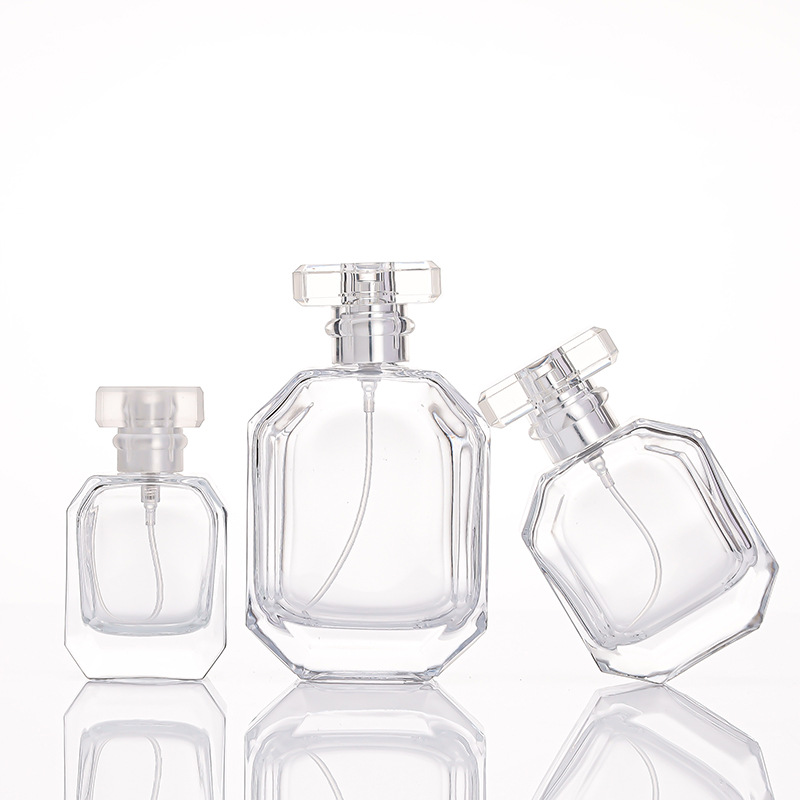
Decide which features must identify the edition after the carton is removed. A numbered label can carry a short-run story. A cap can provide a recognizable outline across later releases. A new body can offer a distinctive shape, with a larger development commitment. Our bottle collection and decoration guide helps organize those visual decisions around a consistent silhouette.

Fill in a cash comparison for all three routes
Use one currency, destination and delivery basis. Obtain written quotations for the same included components. Complete a separate component schedule under each route so a low bottle price does not hide a larger cap or decoration order.
| Input or result | Stock + label / print | Stock + finish / accessory | New mold |
|---|---|---|---|
| Saleable launch L and 12-month demand D | L ___ / D ___ | L ___ / D ___ | L ___ / D ___ |
| Bottle / finish / pump / cap / box MOQ and order increment | Each component ___ | Each component ___ | Each component ___ |
| Purchased Q and usable yield y for each component | Q ___ / y ___ | Q ___ / y ___ | Q ___ / y ___ |
| Unit price p, including stated process scope | Each component ___ | Each component ___ | Each component ___ |
| Sample and setup fees S / tooling M | S ___ / M ___ | S ___ / M ___ | S ___ / M ___ |
| Freight, insurance, duties, handling and storage F | F ___ | F ___ | F ___ |
| Packaging cash committed C | Σ(Q × p) + S + M + F | Σ(Q × p) + S + M + F | Σ(Q × p) + S + M + F |
| Cash paid before launch / due later | ___ / ___ | ___ / ___ | ___ / ___ |
| Complete usable packaging sets N | Lowest usable component quantity | Lowest usable component quantity | Lowest usable component quantity |
| Launch cash burden per saleable unit | C ÷ L ___ | C ÷ L ___ | C ÷ L ___ |
| Packaging cost per usable complete set | C ÷ N ___ | C ÷ N ___ | C ÷ N ___ |
| Surplus, storage and repeat-order timing | By component ___ | By component ___ | By component ___ |
| Sample approval / production / arrival dates | ___ / ___ / ___ | ___ / ___ / ___ | ___ / ___ / ___ |
Calculate usable component quantity as purchased quantity multiplied by agreed usable yield, rounded down to whole pieces. For one bottle, pump, cap and box per perfume, N is the smallest usable quantity among those components. Adjust for components used more than once per retail unit. Resolve a bottleneck before assuming you can fill the planned launch.
C ÷ L shows how much packaging cash the first release must support. It allocates the whole purchase to that launch, including surplus. C ÷ N spreads the purchase across complete usable sets. Finance can use an inventory accounting treatment suited to the business. Neither calculation includes fragrance, filling, selling fees or marketing unless you add them explicitly. Keep those items separate when comparing packaging routes.
Run two demand cases. In the launch-only case, record which components remain and what it costs to store or dispose of them. In the 12-month case, record which remaining components fit the next release and add any repeat decoration, freight and setup charges. Check the payment schedule alongside the total. A deposit reduces the immediate payment while leaving the full order commitment in place.
Check the bottle and sprayer before ordering the story around them
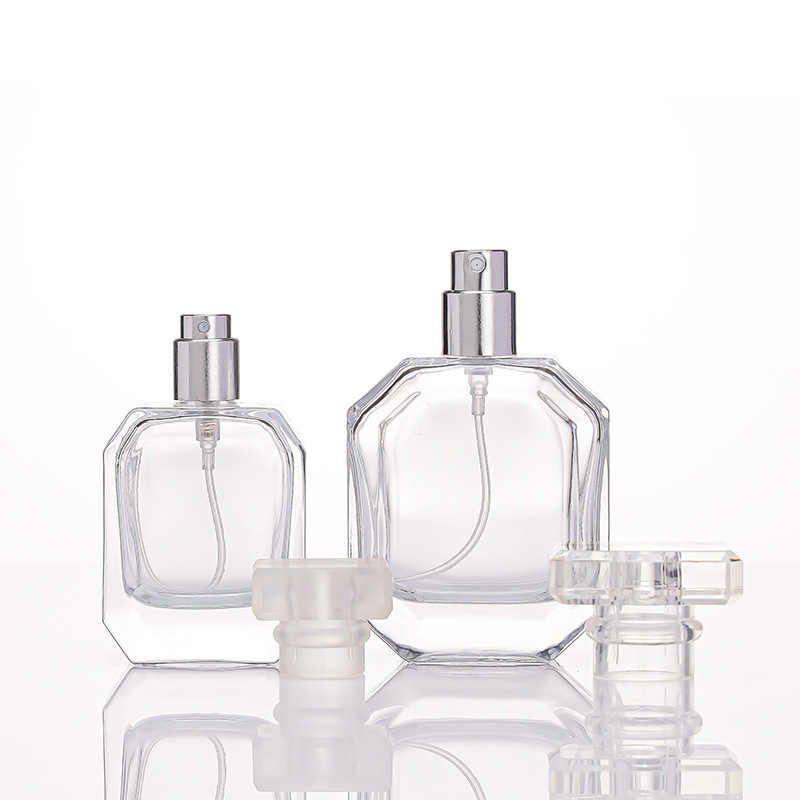
A familiar silhouette still needs a complete assembly sample. Ask for the actual neck drawing and the pump reference, attachment method, gasket, collar, dip-tube length and cap fit. Confirm whether your filler has the equipment and setup for that combination. A photograph of a closed bottle cannot settle these interfaces.
- Give the filler the target fill, formula reference and proposed bottle-pump assembly.
- Have the filler define filling, crimping or tightening settings and evaluate spray, leakage and formula compatibility under agreed conditions.
- Approve print position, legibility and finish on the selected bottle. Agree checks for handling, abrasion and fragrance contact that reflect the intended use.
- Trial the decorated, closed assembly in its insert and carton. Protect exposed corners and raised accessories during handling and transport.
The brand approves appearance and consumer presentation. Reihey confirms the quoted packaging scope and provides the agreed sample references and available product evidence. The filling partner validates its process and the filled assembly. Where independent testing is required, agree the laboratory, method, sample configuration and acceptance criteria before commissioning it.
For a 100-unit project, compare local availability first
If the entire plan is a one-off 100-unit release, request a delivered comparison from local stockists as well as export suppliers. Include matched pumps, breakage protection, freight and import handling. A local stock option can be easier to justify when the extra export components have no planned use.
Reihey’s cosmetic glass packaging page explains our bulk-project and sample approach. Send the actual first quantity and repeat forecast so we can assess fit. Each bottle, finish and component needs a current minimum and availability check. A design based on an existing mold still needs production and delivery time when the required stock is unavailable.
Send a brief that can produce a comparable quote
| Buyer provides | Reihey can confirm for the proposed scope | Approval owner |
|---|---|---|
| Target fill, bottle reference, launch units and testers | Candidate bottle reference, available stock check and component quantities to quote | Brand selects direction |
| Artwork, finish priorities and intended retail pack | Decoration feasibility, sample plan, quoted fees and quantity by finish | Brand approves physical appearance sample |
| Filler contact and equipment requirements | Bottle and closure references and available drawings for review | Filler confirms process and filled-product testing |
| Destination, required arrival and repeat forecast | Packing proposal, delivery basis, payment stages and estimated timing from stated approval points | Brand and supplier agree commercial scope |
Send Reihey your limited-edition packaging brief with the launch quantity, 12-month forecast, target fill, bottle reference, sprayer requirements, artwork, budget and destination. Ask for the component schedule and cost comparison before committing to the appearance route. A repeatable base bottle is useful when its availability, assembly and surplus inventory all work for the launch.