A seasonal sauce can reach the shelf faster when its jar and closure belong to an already approved packaging system. For a condiment brand’s packaging procurement manager, the decision is whether the existing jar, lid and filling process can support the new recipe and the retailer’s replenishment plan. Keep the seasonal identity in approved artwork where that system works. Change the container or closure when the food, process or retail requirements call for it.
At Reihey, we can review candidate glass jars, closure references, decoration and packing against your brief. Start with the food and filling conditions, then ask for the drawings, samples and applicable evidence needed to approve the actual combination. A short selling season makes a late closure change or a second label run especially expensive.

A Christmas listing creates a supply-planning question
Ballymaloe Foods describes its Mulled Wine Cranberry Sauce with Graham Norton’s Shiraz as a limited-edition product, lists a 210g pack and specifies ambient storage. In its November 26, 2026 report, FMCG Magazine says the sauce launched in Ireland for Christmas 2025 and expanded to UK Tesco stores for Christmas 2026. It reports 281 stores and a £2.90 recommended retail price.
That is one channel-expansion story. For packaging planning, it raises questions about repeatable supply, approved artwork and cases arriving within a short retail window. The public product description leaves the jar material, packaging supplier and validated filling configuration unspecified. Use this event to frame your own procurement questions, with your own food and distribution evidence.
Translate the net weight into a fill specification
The 210g on a sauce label describes food mass. Choosing a 210mL jar from that figure alone skips the density and headspace work. Ask your filler for the formula revision, product density at a stated temperature, particle size or pieces, target fill and expected variation. The jar supplier then needs to provide a candidate drawing and measured capacity information.
As an initial estimate, fill volume equals target food mass divided by product density in matching units. The filler must confirm it with the actual product and filling conditions. Compare the intended fill level and headspace with the jar’s measured brimful capacity, dimensional tolerances and closure requirements. Leave room for the process and presentation approved by the responsible technical team.

Reihey’s straight-sided glass food-storage jar range with metal lids offers a starting point for a shape discussion. Its public storage description gives you a candidate family to review. Request the selected size’s drawing, neck details and applicable evidence before considering it for your sauce or filling line.
Keep the jar standard only when the complete system works
An existing jar can simplify component purchasing, line setup, label layout and case planning. Those benefits depend on keeping the approved interfaces. A recipe with a different process, closure interaction or fill requirement can require a new review even when the pack looks familiar.
On a phone, swipe within the table to read every column.
| Decision | Reuse the approved system when | Reopen the specification when |
|---|---|---|
| Jar body | Target fill, headspace, dimensions and process stay within the agreed specification. | Recipe, fill conditions, handling or retail presentation changes the requirements. |
| Neck and lid | The exact neck, lid, liner and coating references remain approved together. | A different lid supplier, liner, coating or neck tolerance is proposed. |
| Seasonal artwork | The approved label area and application method support the new artwork. | Label material, adhesive, coverage or application conditions change. |
| Case and pallet | Filled pack size, mass and distribution handling remain within the agreed packing plan. | Case counts, destination, pallet pattern or retailer handling changes. |
Specify the lid beyond its color and diameter
Write the neck finish and drawing revision beside the lid code. Ask for the closure construction, liner or sealing compound, internal coating and the supplier’s intended use conditions. Two lids with a similar top view can have different sealing interfaces. A change that appears cosmetic can also change the approved component reference.
If the retailer requires a vacuum safety button or another tamper-evidence feature, state it explicitly. Agree how it will be checked on the filled package and what constitutes acceptance. Include the required seal checks and traceability in the packing specification. A button’s presence alone leaves the food process and seal performance to be validated.

Have the filler or process lead define the actual filling, closing, any subsequent treatment and cooling conditions. Ask the jar and lid suppliers for evidence applicable to that configuration. Where independent testing is needed, agree the method, sample configuration, acceptance criteria and responsible laboratory. Each team should know which change requires a new approval.
Separate a seasonal label approval from a seal approval
The seasonal design can change while the approved jar and closure remain common. Give the designer the actual label panel, seam or curvature constraints, coding area and the retailer’s artwork requirements. Trial the label on the selected jar after the relevant process and handling steps. Review readability, adhesion and barcode scanning under the conditions agreed with the packer and retailer.
Record the artwork revision and the date or lot-code location separately. A launch can have the correct label on the wrong closure batch, or an attractive label that covers the coding area. Use a signed sample record tying the jar, lid, artwork and case together.

Nasi published UK storage-jar sample project shows logo options, physical sample photographs and dispatch packing. Its value here is the approval sequence. Use your own filled sauce configuration for the process and seal checks. For decoration possibilities, review Reihey’s jar and lid customization options once the packaging interfaces are agreed.
Turn a store listing into component quantities
A store count becomes useful only when the distribution plan also states units per store, delivery waves, reserve stock and replenishment frequency. Ask whether the retailer receives full cases through a distribution center or needs another packing arrangement. Record first delivery, last acceptable receipt and the period during which repeat orders could still reach shelves.
For an arithmetic example, 100 stores receiving 12 jars each require 1,200 saleable jars for the initial allocation. Six saleable jars per case makes 200 cases. Add the separately agreed requirements for samples, rejects and reserve stock. These figures illustrate the calculation. Your retailer and packer must supply the operating assumptions.

- Break the forecast into initial allocation, replenishment waves and reserve stock.
- List jar, lid and label quantities separately, including their order increments and minimums.
- Compare stock coverage with approval, production, freight and receiving time.
- Identify the last sensible reorder date and the plan for unused seasonal labels.
- Confirm which common components can carry into the next season, subject to condition, storage and specification review.
Ask who holds reserve stock and when payment becomes due. Reusable plain jars and approved common lids can offer more flexibility than dated artwork, although available inventory and component suitability need confirmation. Quote the actual first order and repeat schedule together.
Approve the filled case, then the dispatch plan
Check the case with the actual filled and closed jars, label stock, dividers and intended case count. Review contact points, lid protection, coding visibility and handling. Agree carton marks, lot identification, pallet configuration and receiving requirements with the packer and logistics team.
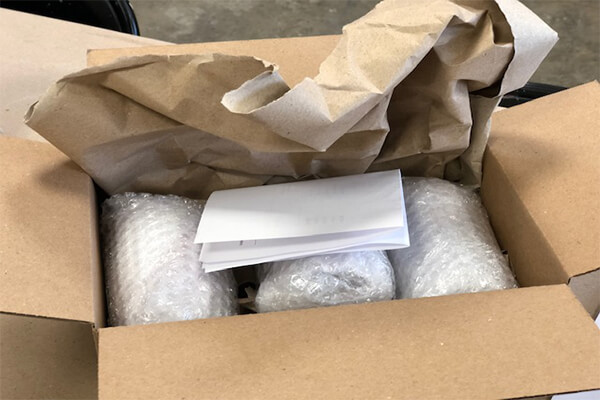
A sample parcel is useful for approving physical presentation. Retail cases and pallets face their own handling route. Specify the distribution checks and evidence appropriate to that route, then connect the packing record to the approved jar-and-lid configuration. For practical sample-fit thinking, our three-jar packaging guide explains how assembled jars change the space and protection required.
Download the RFQ and assign the approvals
Download the seasonal sauce jar and closure RFQ worksheet (.txt). Save and edit the plain-text form, or print it for a project meeting. It includes buyer inputs and a separate sample-release record.
On a phone, swipe within the table to read every column.
| Stage | Buyer provides | Supplier response and approval owner |
|---|---|---|
| First RFQ | Net mass, density reference, formula/process conditions, target fill and headspace. | Reihey reviews candidate drawings, capacity information and what still needs confirmation. The filler owns process inputs. |
| Closure review | Required lid type, tamper evidence and seal acceptance method. | Jar and lid suppliers identify their references and applicable evidence. Filler/process lead confirms the filled system. |
| Artwork sample | Label area, artwork, code location and retailer requirements. | Brand approves appearance. Packer checks application and coding. Relevant changes trigger review. |
| Supply and packing | Store allocation, repeat frequency, case units, destination and receipt deadline. | Supplier quotes current quantity, timing and packing scope. Buyer, packer and receiver approve the dispatch arrangement. |
Before bulk release, record the jar and lid revisions, approved physical sample, food/process validation references, artwork, packing and the people who signed each item. Food safety and shelf-life acceptance belong with the brand and its responsible technical or process team, supported by applicable supplier evidence.
Send Reihey your seasonal food-packaging RFQ with the proposed jar, target net fill, filling conditions, closure needs, artwork, first and repeat quantities, packing units and destination. We can compare the packaging scope and identify the sample and evidence questions to resolve before the order.